
Krems
Krems an der Donau is a historic city in Lower Austria, Austria, situated at the confluence of the Krems and Danube Rivers. First mentioned in 995, it boasts a history stretching back to prehistoric times, with the discovery of Austria's oldest known grave. The city is recognized for its significant cultural heritage, including its old town with medieval gates and numerous churches, and is also a notable center for wine production and apricot brandy (Marillenschnaps).
Key Facts
- ›First mentioned in 995 in a certificate by Otto III.
- ›Site of Austria's oldest discovered grave, over 27,000 years old.
- ›Was nearly as large as Vienna in the 11th and 12th centuries.
- ›Captured by Swedish troops in 1645 during the Thirty Years' War.
- ›Primary producer of Marillenschnaps (apricot brandy).
- ›Hometown of the late Baroque painter Martin Johann Schmidt, known as 'Kremserschmidt'.

Old Town, Steiner Tor, Numerous Churches and Historical Buildings, Confluence of Krems and Danube Rivers, Eastern End of Wachau Valley
Chremis
Martin Johann Schmidt, Ava, Margaret of Austria, Johann Georg Schmidt, Michael Wutky, Ludwig Guttenbrunn, Vinzenz Eduard Milde, Ludwig Ritter Von KöChel, Franz Schneider, Eduard Melly, Johann Nordmann, Wilhelm Gause, Josef Maria Eder, Julius Ernest Wilhelm FučíK, Wilhelm Miklas, Josef Meller, Josef Bayer, Fritz Dworschak, Rudolf Redlinghofer, Peter B. Neubauer, Wolfgang Kummer, Dagmar Braun Celeste, Ulrike Lunacek, Robert Streibel, Gregor Hradetzky, Marko Stankovic, Lukas ThüRauer
Mentioned In 995, Swedish Capture In 1645, Imperial Recapture In 1646
About Krems
Krems an der Donau
Krems an der Donau is a city in Lower Austria, Austria, situated at the strategic confluence of the Krems and Danube Rivers. Its geographical position at the eastern edge of the picturesque Wachau valley has contributed to its historical significance and development. The city is notable for its long history, with evidence of settlement dating back over 27,000 years, making it the site of Austria's oldest discovered grave. The earliest documented mention of Krems, then known as Chremis, dates back to 995.
Historical Development and Significance
During the 11th and 12th centuries, Krems was a settlement of considerable size, nearly rivaling Vienna. Its strategic location made it a point of interest during periods of conflict. Notably, the city was captured by Swedish troops in 1645 during the Thirty Years' War, though it was subsequently retaken by Imperial forces. Today, Krems is recognized not only for its historical architecture, including the Steiner Tor, a well-preserved medieval gate erected in 1480, but also for its cultural and economic contributions. It is a primary producer of Marillenschnaps, a traditional Austrian apricot brandy, and is historically linked to notable artists, including the late Baroque painter Martin Johann Schmidt, known as 'Kremserschmidt'. The city also serves as a cultural hub, hosting institutions like the Karikaturmuseum Krems and Kunsthalle Krems.
Source: Wikipedia ↗
Frequently Asked Questions
When was Krems first mentioned in historical records?
Krems was first mentioned in 995 in a certificate issued by Otto III. However, evidence of settlement predates this, with the discovery of a child's grave over 27,000 years old.
What is the historical significance of Krems?
Historically, Krems was a significant settlement, nearly as large as Vienna during the 11th and 12th centuries. It also played a role in military conflicts, being captured by Swedish troops in 1645.
What is Krems known for today?
Today, Krems is known as a primary producer of Marillenschnaps, an apricot brandy. It is also recognized as the hometown of the prominent Austrian late Baroque painter Martin Johann Schmidt, often referred to as 'Kremserschmidt'.
What are some notable historical sights in Krems?
Notable historical sights include the Steiner Tor, a medieval gate erected in 1480, and various churches such as the Bürgerspitalkirche and Dominikanerkirche. The old town itself is a significant attraction.
Has Krems been affected by any major historical conflicts?
Yes, Krems was captured by Swedish troops in 1645 during their invasion of Lower Austria at the end of the Thirty Years' War. It was later recaptured by Imperial troops.
Related Monasteries

Rattenberg
Rattenberg is the smallest city in Austria, located in Tyrol on the Inn River, founded in the 14th century. Its notable characteristic is its location in a valley that receives no direct sunlight for much of the winter due to the proximity of Rat Mountain. Historically, it was built as a protected settlement and later fortified, and it is currently known for its glassmaking tradition.

Fröndenberg
Fröndenberg is a town in the Unna district of North Rhine-Westphalia, Germany, situated in the Ruhr valley. Its modern administrative structure was formed through a series of mergers of independent villages, culminating in its recognition as a city in 1952. The earliest recorded mention of its name dates back to a papal document in 1197.
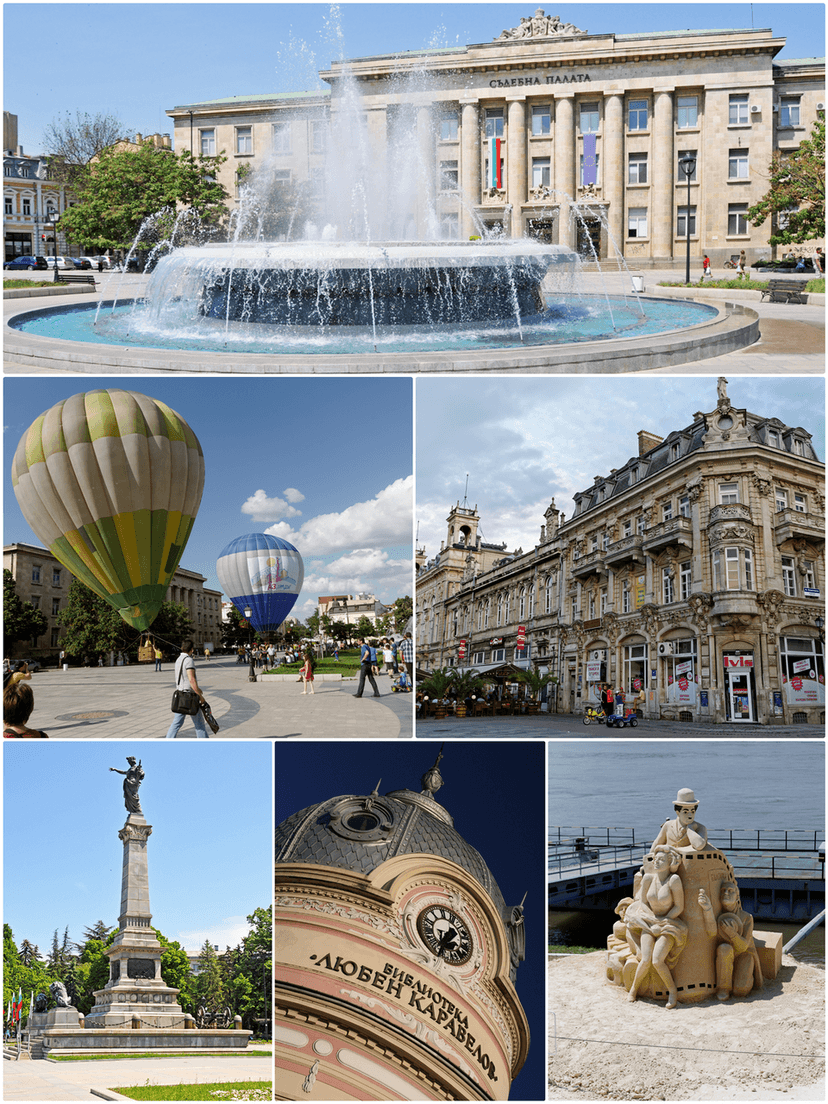
Ruse
Ruse is a significant Bulgarian city situated on the right bank of the Danube River, opposite Giurgiu, Romania. Known for its 19th and 20th-century Neo-Baroque and Neo-Rococo architecture, it is often referred to as "Little Vienna." The city has a rich history, evolving from ancient Roman settlements to a key administrative and cultural center during the Ottoman period and a hub of innovation during the Bulgarian National Revival and early modern Bulgaria. Its strategic location makes it Bulgaria's most important river port.