
Pustinja Monastery
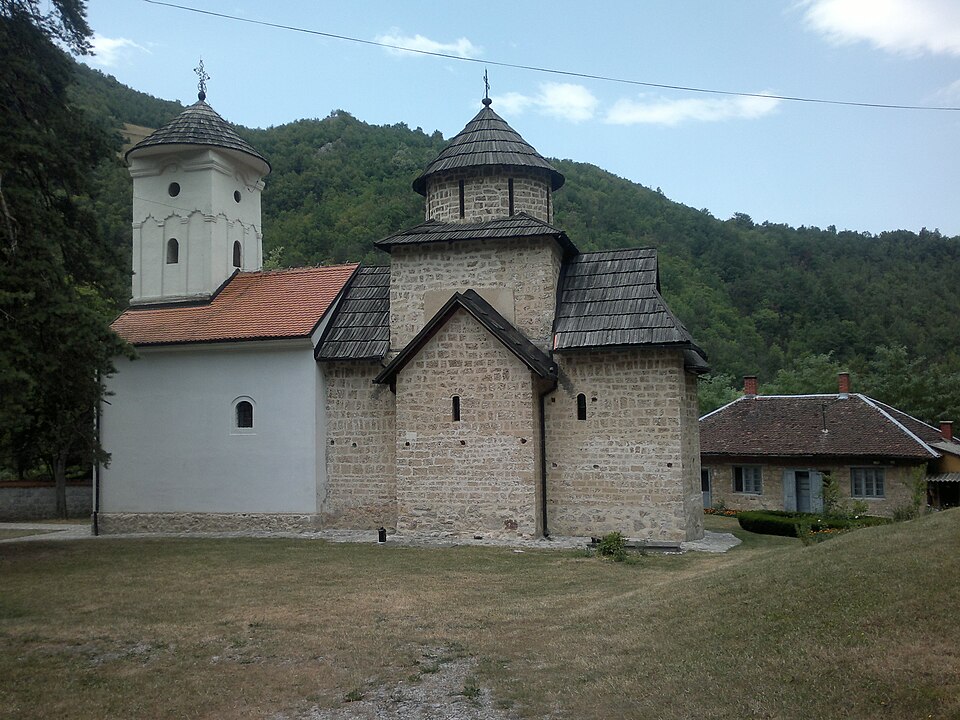
Pustinja Monastery is a Serbian Orthodox monastery located in Poćuta near Valjevo, Central Serbia. While local legends attribute its founding to King Saint Stefan Dragutin in the 13th century, scientific research indicates its construction was completed in 1622 on the foundations of an older 11th-century monastery. The monastery is noted for its architecture, belonging to the Raška architectural school.
Key Facts
- ›Scientific research places the monastery's construction completion in 1622.
- ›Built on the remnants of an older monastery dating back to the 11th century.
- ›Local legends attribute its founding to King Saint Stefan Dragutin in the 13th century.
- ›Adheres to the Raška architectural school.
- ›Located in the village of Poćuta near Valjevo, Central Serbia.
RašKa Architectural School
Manastir Pustinja
King Saint Stefan Dragutin
About Pustinja Monastery
Pustinja Monastery is a Serbian Orthodox monastery located in the village of Poćuta, near Valjevo, in Central Serbia. While local tradition attributes its founding to King Saint Stefan Dragutin in the 13th century, scientific research suggests that the current monastery was constructed and completed on June 25, 1622. This construction occurred on the remnants of an older monastic site that dates back to the 11th century.
Architecture and Significance
The monastery is recognized for its adherence to the Raška architectural school. This style is characterized by certain architectural and spatial features that are shared with other notable monasteries in the region, including Uvac Monastery, the Church of the Annunciation Monastery in Ovčar Banja, Dobrilovina Monastery, Majstorovina Monastery, and Tronoša Monastery. These shared characteristics highlight a distinct period and regional influence in Serbian monastic architecture.
Source: Wikipedia ↗
Frequently Asked Questions
When was Pustinja Monastery founded?
Local legends suggest the monastery was founded in the 13th century by King Saint Stefan Dragutin. However, scientific research indicates that the monastery was actually built in 1622 on the site of an older monastery from the 11th century.
What is the architectural style of Pustinja Monastery?
Pustinja Monastery was built in the Raška architectural school. This style shares resemblances with other monasteries such as Uvac Monastery and the Church of the Annunciation Monastery in Ovčar Banja.
Where is Pustinja Monastery located?
Pustinja Monastery is situated in the village of Poćuta, near Valjevo, in Central Serbia.
Related Monasteries

Dubnica Monastery
Dubnica Monastery is a Serbian Orthodox monastery situated in Božetići, southwestern Serbia, and belongs to the Eparchy of Mileševa. Originally constructed in the mid-17th century by Serbian Patriarch Gavrilo I, the monastery was later destroyed by the Ottomans. Extensive restoration efforts commenced in 2003 and concluded in 2007, involving various institutions, local communities, and skilled artisans.

Duži Monastery
Duži Monastery, dedicated to the Intercession of the Theotokos, is a Serbian Orthodox monastery situated in Popovo Polje, near the Adriatic coast and west of Trebinje in Bosnia and Herzegovina. First mentioned in 1694 as a refuge for monks fleeing conflict, it briefly served as the seat of the Eparchy of Hum. The monastery has a history of supporting Serb uprisings against the Ottomans, enduring damage and looting, and later hosted Russian monks after the October Revolution, who adorned the church with frescoes. Despite periods of disrepair and military occupation, it was restored by nuns starting in 1959 and today engages in beekeeping and agricultural production.
Gomirje Monastery
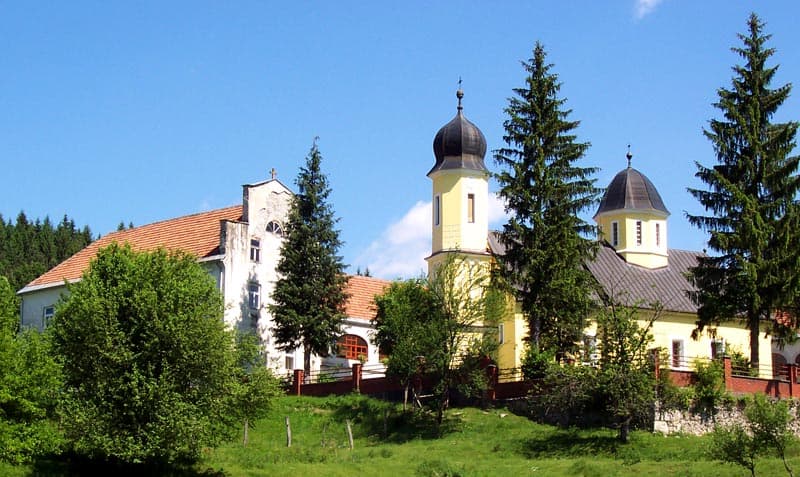
Gomirje Monastery is the westernmost Serbian Orthodox monastery, located in Croatia near the village of Gomirje. Founded around 1600, it has a history marked by struggles for land rights, resistance to Uniatism, and devastation during wartime. The monastery complex includes a stone church built in the 18th century and has undergone periods of rebuilding and reopening.