
Prittlewell Priory
Prittlewell Priory is a medieval priory in Southend, Essex, England, founded in the 12th century by Cluniac monks. After passing into private hands during the Dissolution of the Monasteries, it was eventually purchased and donated to the local council by philanthropist R. A. Jones to become a public park and museum. Today, the Grade I listed building serves as a museum, showcasing local history and the priory's own past.
Key Facts
- ›Founded in the 12th century by monks from the Cluniac Priory of St Pancras, Lewes.
- ›Was one of the lesser monasteries, housing a maximum of 18 monks.
- ›Suffered destruction and alterations during the Dissolution of the Monasteries and later periods.
- ›A 12th-century doorway with chevron and dog-tooth ornamentation survives.
- ›Donated to the local council by R. a. Jones to form Priory Park and a museum.
- ›The building is Grade I listed and the remains are a scheduled monument.

Medieval
- 12th-Century Doorway With Chevron and Dog-Tooth Ornamentation
- Refectory
- Priory Park
- Victorian Extension
William Le Auvergnat, James De Cusancia, Thomas Audley, Robert Rich, Daniel Robert Scratton, Maria Scratton, William Howell Scratton, R. A. Jones, Duke of York
- Foundation By Cluniac Monks
- Conflict Between Prittlewell and Lewes Over Prior Election
- Dissolution of the Monasteries
- Purchase and Donation By R. A. Jones
- Opening As A Public Park and Museum
- Refurbishment and New Visitor Centre Construction
About Prittlewell Priory
Prittlewell Priory is a significant medieval monastic site located in the Prittlewell area of Southend, Essex, England. Its history stretches back to the 12th century when it was established as a cell by monks from the influential Cluniac Priory of St Pancras in Lewes, East Sussex. Originally a smaller monastic house, it was intended to house no more than 18 monks.
History and Transformation
The priory's medieval existence was marked by periods of both religious devotion and external conflict. In the early 14th century, a prolonged dispute arose between Prittlewell and its parent house at Lewes concerning the election of a prior. This conflict tragically culminated in violence within the priory walls, leading to the death of the then-prior of Prittlewell. The priory, like many others, faced significant upheaval during the Dissolution of the Monasteries under Henry VIII in 1536. Much of the structure was destroyed, and the remaining buildings underwent considerable alteration over the subsequent centuries, serving eventually as a private residence.
Preservation and Public Access
In the 20th century, Prittlewell Priory underwent a vital transformation from private ownership to a public amenity. Southend jeweller and philanthropist R. A. Jones purchased the priory and its surrounding lands from the Scratton family. He generously donated the property to the local council, leading to the creation of Priory Park on the grounds and the establishment of the priory building itself as Southend's first museum in 1922. Further refurbishments and the construction of a new Visitor Centre were completed in the early 2010s, ensuring the site's continued preservation and accessibility for visitors. The priory is recognized for its historical importance, with the building designated Grade I listed and the remains of the priory site scheduled as a monument.
Source: Wikipedia ↗
Frequently Asked Questions
When was Prittlewell Priory founded?
Prittlewell Priory was founded in the 12th century. It was established by monks from the Cluniac Priory of St Pancras in Lewes, East Sussex.
What happened to Prittlewell Priory after the Dissolution of the Monasteries?
Following the Dissolution under Henry VIII, much of the priory building was destroyed, and what remained was altered significantly over time. It passed into private hands and served as a private residence for various families, including the Scrattons.
How did Prittlewell Priory become a public site?
The priory and its grounds were purchased from the Scratton family by Southend jeweller and philanthropist R. A. Jones. He donated the property to the local council, which led to the creation of Priory Park and the establishment of the priory as the first museum in Southend.
What historical events are associated with Prittlewell Priory?
A notable conflict occurred in the early 14th century between Prittlewell and its ruling priory at Lewes over the election of a prior. This dispute escalated into violence, resulting in the death of the Prittlewell prior at the altar.
Are there any original features of the priory that still exist?
Yes, a 12th-century doorway with distinctive chevron and dog-tooth ornamentation is among the original features that survive. Despite alterations over the centuries, some medieval elements remain.
Can I visit Prittlewell Priory today?
Yes, Prittlewell Priory is open to the public as a museum. It is a Grade I listed building and part of the grounds serves as Priory Park.
Related Monasteries
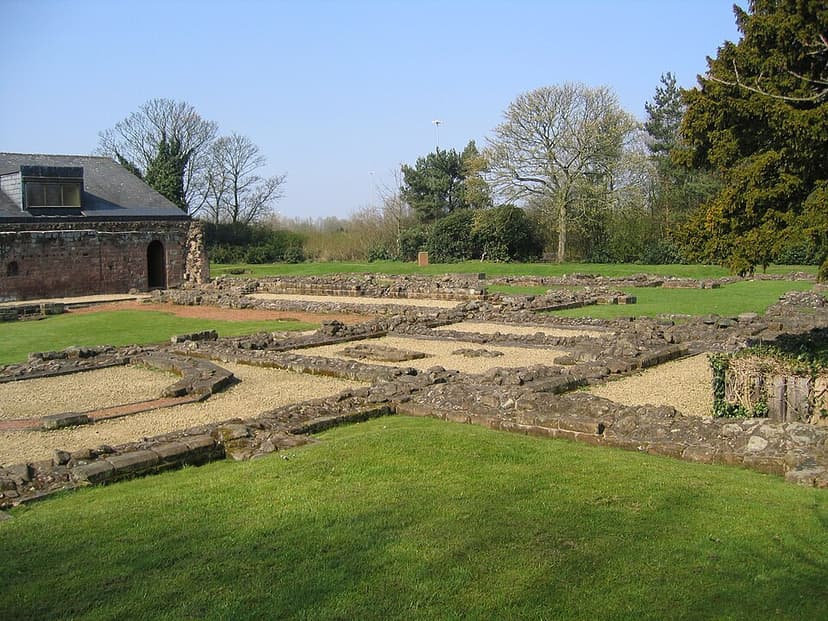
Runcorn Priory
Norton Priory is a significant historical site in Norton, Runcorn, England, featuring the remains of an Augustinian priory founded in the 12th century and elevated to an abbey in 1391. Closed during the dissolution of the monasteries in 1536, its surviving structures were incorporated into later country houses. Extensive excavations have revealed important monastic artifacts, and the site now operates as a museum and visitor attraction, preserving its rich history for the public.
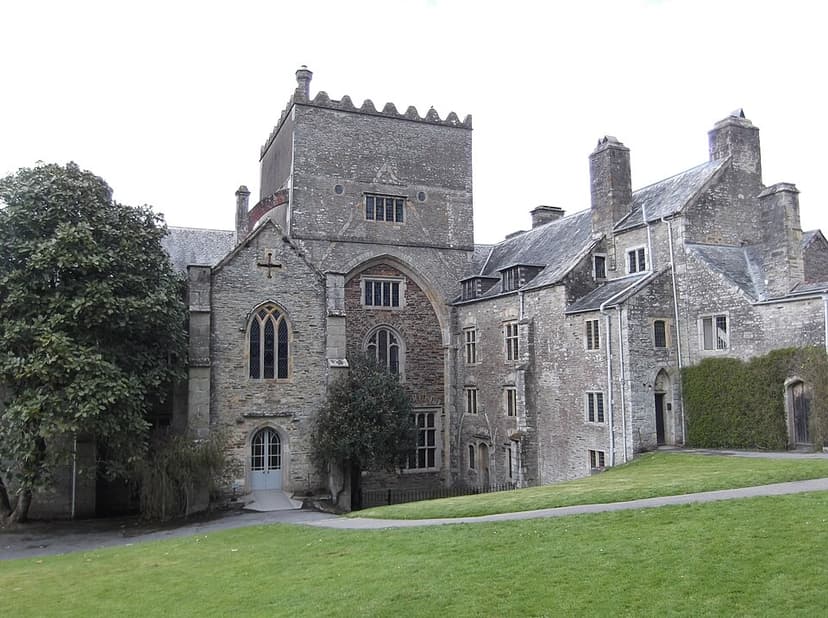
Buckland Abbey
Buckland Abbey, a Grade I listed historic house in Devon, England, was originally founded as a Cistercian abbey in 1278. After its dissolution under Henry VIII, it was converted into a private residence by Sir Richard Grenville and later owned by Sir Francis Drake. Today, it is managed by the National Trust and is open to the public, housing part of the Plymouth City Museum and Art Gallery's collection.

Le Thoronet Abbey
Le Thoronet Abbey is a former Cistercian monastery constructed in the late 12th and early 13th centuries, renowned as one of the best examples of the Cistercian order's architectural spirit. Located in the Var Department of Provence, France, it is one of the "Three Sisters of Provence" along with Sénanque and Silvacane abbeys. Restored as a museum, its austere design emphasizes volume, light, and fine masonry, with the church's acoustics even dictating the pace of monastic chant.