
Buckland Abbey
Buckland Abbey, a Grade I listed historic house in Devon, England, was originally founded as a Cistercian abbey in 1278. After its dissolution under Henry VIII, it was converted into a private residence by Sir Richard Grenville and later owned by Sir Francis Drake. Today, it is managed by the National Trust and is open to the public, housing part of the Plymouth City Museum and Art Gallery's collection.
Key Facts
- ›Founded as a Cistercian abbey in 1278 by Amicia, Countess of Devon.
- ›One of the last Cistercian houses founded in England and the most westerly.
- ›The original monastic church's remains are integrated into the present house.
- ›Dissolved by Henry VIII in 1539 and subsequently converted into a residence.
- ›Associated with Sir Francis Drake, who owned it for 15 years.
- ›Owned and managed by the National Trust since 1947 and open to the public since 1951.
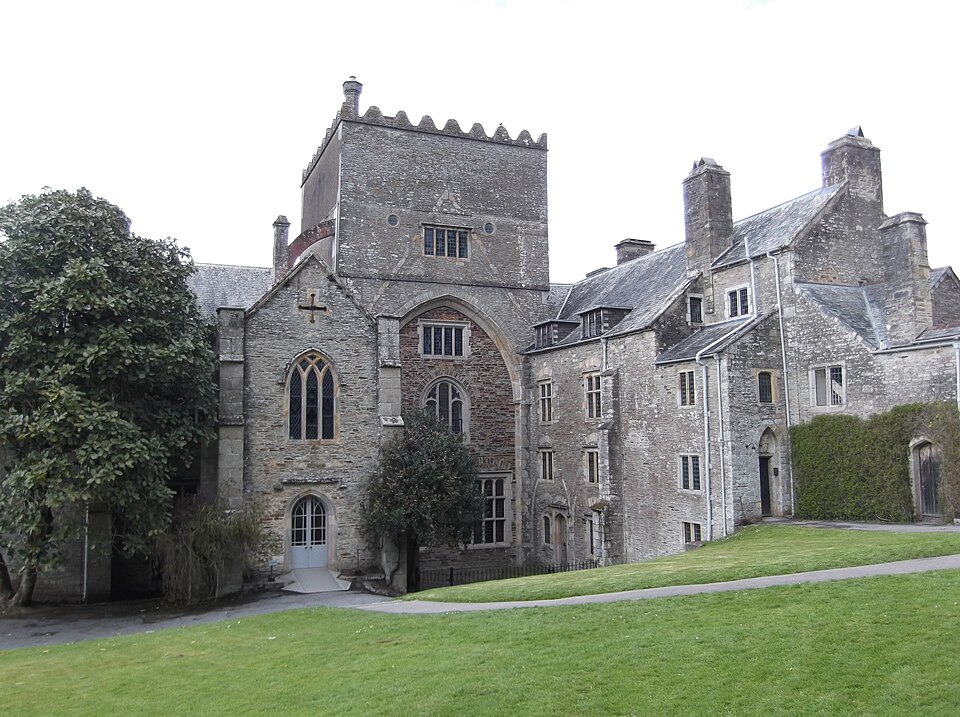
Gothic, Jacobean
- Remains of the Monastic Church Integrated Into the House
- 15th-Century Tithe Barn
- 'Drake's Drum'
- National Trust Costume Group
- Cider House Garden
Buckland Greynvile, Buckland Grenville
Amicia, Countess of Devon, Sir Richard Grenville the Elder, Sir Roger Grenville, Sir Richard Grenville the Younger, Sir Francis Drake, Robert Derkeham
- Founded As A Cistercian Abbey In 1278.
- Granted A License To Crenellate In 1337.
- Dissolution of the Monasteries In 1539.
- Converted Into A Residence By the Grenville Family.
- Owned By Sir Francis Drake For 15 Years.
- Restoration Between 1948 and 1951.
About Buckland Abbey
Buckland Abbey is a significant historical site located in Buckland Monachorum, near Yelverton, Devon, England. Originally established as a Cistercian abbey in 1278 by Amicia, Countess of Devon, it was one of the last Cistercian foundations in England and the most westerly. The abbey received a substantial initial endowment, covering over 20,000 acres, and was granted a market and fair, along with a license to fortify its premises.
Monastic Life and Dissolution
The monastic church, unusually simple for its time and lacking aisles, has much of its structure integrated into the present house. The monks' living quarters were situated around a cloister to the north of the church, though these have largely disappeared. A notable survival from the monastic period is the 15th-century Tithe Barn, an impressive structure measuring 180 feet in length. Buckland Abbey remained an active monastic community until the Dissolution of the Monasteries under Henry VIII. In 1539, the abbey was suppressed, with Abbot John Toker receiving a pension and the remaining twelve monks being dispersed.
Post-Monastic Conversion and Ownership
Following its dissolution, Buckland Abbey was sold by Henry VIII to Sir Richard Grenville the Elder in 1541. He and his son, Sir Roger Grenville, began converting the abbey into a residence, renaming it Buckland Greynvile or Grenville. Sir Richard Grenville the Younger completed this conversion in 1575–76. In 1581, the property was sold to intermediaries acting for Sir Francis Drake, whom the Grenvilles reportedly despised. Drake resided at Buckland for 15 years, and the house remained in his family's possession for many years. Subsequent alterations were made in the late 18th century and after a fire in 1915, with further damage from another fire in 1938.
Buckland Abbey Today
Acquired by the National Trust in 1947, Buckland Abbey underwent restoration between 1948 and 1951. Since 1951, it has been open to the public, operated by the National Trust with assistance from Plymouth City Council. The site now houses part of the Plymouth City Museum and Art Gallery's collection, famously including 'Drake's Drum'. Independent craft workshops are situated in converted ox sheds, and the grounds feature a wild garden, a kitchen garden, and a medieval Great Barn. The property also hosts the National Trust Costume Group, dedicated to creating authentic historical attire.
Source: Wikipedia ↗
Frequently Asked Questions
When was Buckland Abbey founded?
Buckland Abbey was founded as a Cistercian abbey in 1278. Amicia, Countess of Devon, initiated the arrangements for its foundation in 1773.
Who were the notable post-monastic owners of Buckland Abbey?
After its dissolution, Buckland Abbey was sold to Sir Richard Grenville the Elder and then owned by his grandson, Sir Richard Grenville the Younger. It was subsequently acquired by Sir Francis Drake, who lived there for 15 years.
What is Buckland Abbey's significance today?
Today, Buckland Abbey is a Grade I listed historic house owned by the National Trust. It is open to the public and houses part of the Plymouth City Museum and Art Gallery's collection, including 'Drake's Drum'.
What architectural features remain from the monastic period?
Remains of the original monastic church are incorporated into the present house, including arches supporting the tower and a surviving transept chapel vault. The 15th-century Tithe Barn also survives and is Grade I listed.
Is Buckland Abbey still an active monastery?
No, Buckland Abbey is no longer an active monastery. It was dissolved in 1539 and later converted into a private residence before being passed to the National Trust.
Related Monasteries

Prittlewell Priory
Prittlewell Priory is a medieval priory in Southend, Essex, England, founded in the 12th century by Cluniac monks. After passing into private hands during the Dissolution of the Monasteries, it was eventually purchased and donated to the local council by philanthropist R. A. Jones to become a public park and museum. Today, the Grade I listed building serves as a museum, showcasing local history and the priory's own past.

Augustinian convent
The Augustinian Convent of Toulouse was founded in 1286 by the Hermits of St. Augustine. Initially located outside the city walls, it was moved within the city between 1310 and 1341. After a devastating fire in 1463 and a period of decline, the convent was decommissioned in 1790 and its buildings now house the Toulouse Museum of Art.
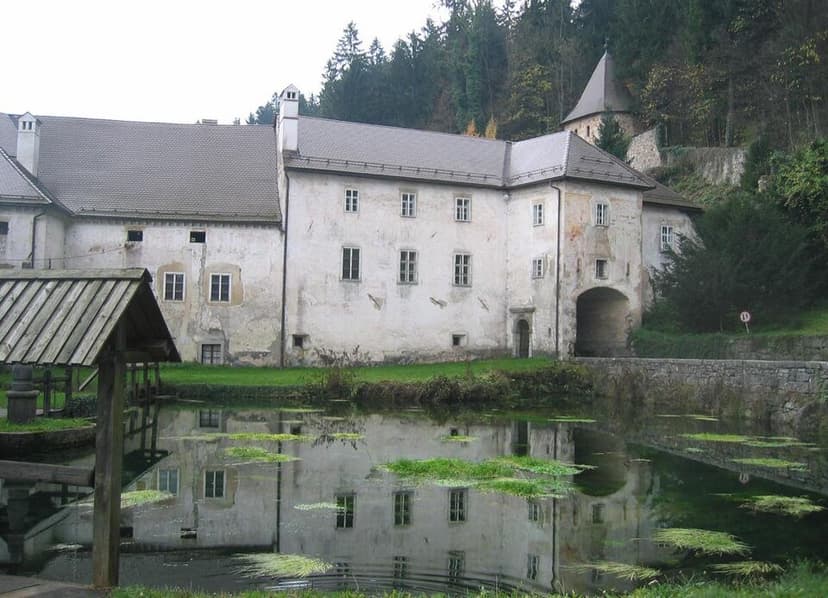
Bistra
Bistra is a settlement in Slovenia, best known for the Bistra Charterhouse, the first monastery in Carniola, founded in 1260. This complex, also referred to as "Bistra Castle," operated as a monastery until its dissolution in 1782. Today, the site houses the Technical Museum of Slovenia, featuring collections related to various technical fields and historical vehicles.