
Augustinian convent
The Augustinian Convent of Toulouse was founded in 1286 by the Hermits of St. Augustine. Initially located outside the city walls, it was moved within the city between 1310 and 1341. After a devastating fire in 1463 and a period of decline, the convent was decommissioned in 1790 and its buildings now house the Toulouse Museum of Art.
Key Facts
- ›Founded in 1286 for the Augustinian religious order.
- ›Moved to its current location within Toulouse city walls between 1310 and 1341.
- ›Suffered significant damage from a fire in 1463, with reconstruction completed in 1504.
- ›Experienced a substantial decline in the number of monks from the 14th century onwards.
- ›Decommissioned in 1790 during the suppression of monastic orders.
- ›Its buildings now function as the Musée des Augustins (Toulouse Museum of Art).

Southern Gothic
MuséE Des Augustins, Apse With Three Chapels, Single Nave Without A Transept, Cloister Completed In 1396
MuséE Des Augustins
Pope Clement V
Fire of 1463, Decommissioning In 1790, Revolt of the Huguenots
About Augustinian convent
Augustinian Convent of Toulouse
The Augustinian Convent of Toulouse, founded in 1286, stands as a significant historical monastic site in France, notable for its transition from a religious community to a prominent museum.
History and Construction
Established by the Hermits of St. Augustine, the convent's initial location was outside the city walls of Toulouse, near the Matabiau quarter. However, this site proved insufficient for the growing community. With the approval of Pope Clement V, the hermits secured permission to sell their original property and acquire land within the city walls. Between 1310 and 1341, the convent was relocated to its present site at the corner of rue du Musée and rue des Arts. The construction of the church featured a layout typical of the southern Gothic style, with a prominent apse containing three chapels that opened directly onto a large, single nave, lacking a transept. The eastern part of the monastery began construction in 1341, followed by the remaining three sections and the cloister, which was completed by 1396.
Challenges and Transformation
The convent faced considerable adversity throughout its history. A devastating fire in 1463, ignited by a baker, destroyed a significant portion of the structure, necessitating a lengthy reconstruction effort that concluded with the building's rededication in 1504. The convent also experienced a marked decline in its monastic population, with numbers dwindling from two hundred in the 14th and 15th centuries to a mere thirty-one by 1680. Further damage occurred in 1550 when lightning struck the bell tower, leading to its partial destruction and eventual lowering. During the religious turmoil of the 16th century, the convent's community faced internal divisions and external pressures. Ultimately, in 1790, following a decree that nationalized church property, the Augustinian Convent was decommissioned as part of the suppression of monastic orders in France. Since 1795, its historical buildings have been repurposed to house the Toulouse Museum of Art, known today as the Musée des Augustins.
Source: Wikipedia ↗
Frequently Asked Questions
When was the Augustinian Convent of Toulouse founded?
The Augustinian Convent of Toulouse was founded in 1286. A community of Hermits of St. Augustine was first established outside the city walls in 1269.
Where was the Augustinian Convent of Toulouse located?
It was initially established outside the city walls near the Matabiau quarter. Between 1310 and 1341, it was moved to its current location within the city walls, at the corner of rue du Musée and rue des Arts.
What happened to the Augustinian Convent of Toulouse after it was decommissioned?
The convent ceased to be an active religious house in 1790. Since 1795, its buildings have housed the Toulouse Museum of Art, known as the Musée des Augustins.
What significant events affected the convent?
The convent was severely damaged by a fire in 1463, which destroyed much of its roof. Lightning also struck the bell tower in 1550, causing damage and leading to its eventual lowering and non-reconstruction.
Did the number of monks at the convent always remain high?
No, the convent experienced a significant decline in its monastic population. From housing two hundred monks in the 14th and 15th centuries, numbers fell to 31 by 1680, with only a few remaining by the time of the French Revolution.
Related Monasteries
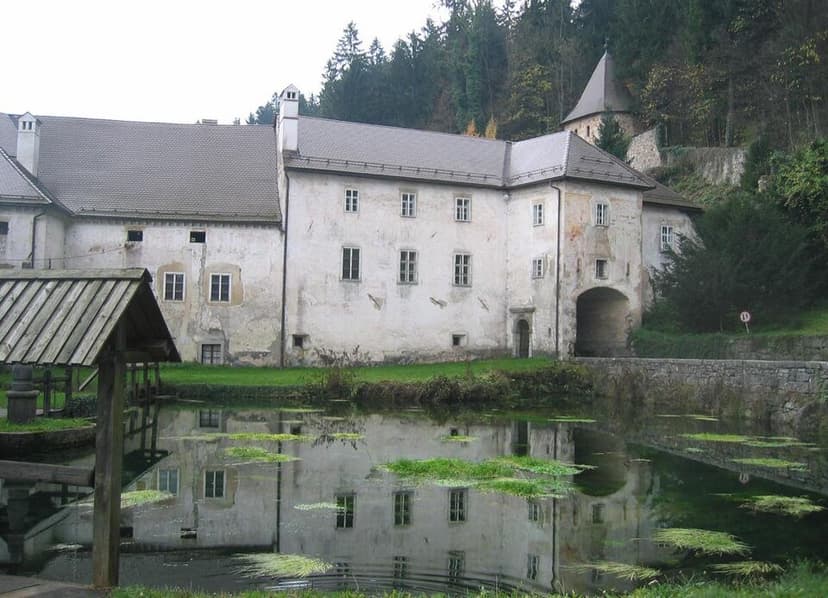
Bistra
Bistra is a settlement in Slovenia, best known for the Bistra Charterhouse, the first monastery in Carniola, founded in 1260. This complex, also referred to as "Bistra Castle," operated as a monastery until its dissolution in 1782. Today, the site houses the Technical Museum of Slovenia, featuring collections related to various technical fields and historical vehicles.
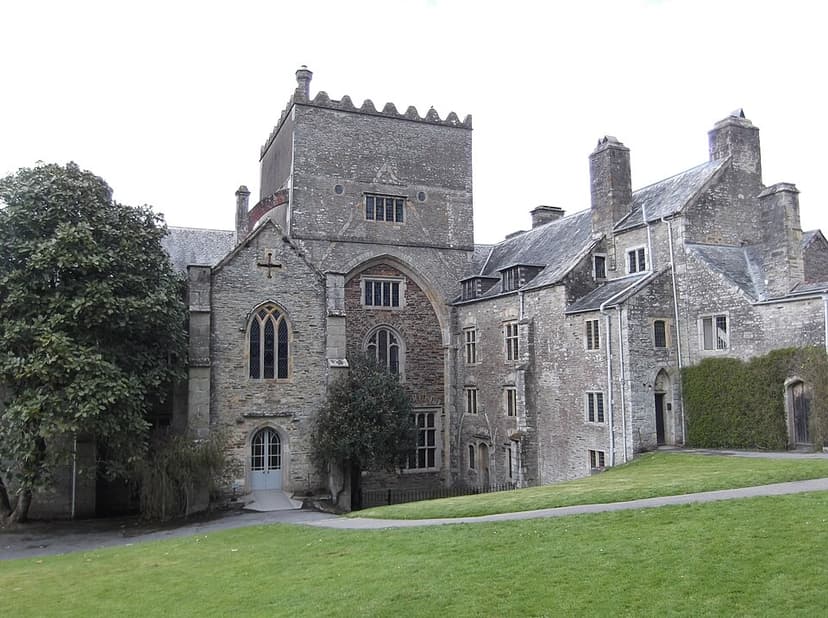
Buckland Abbey
Buckland Abbey, a Grade I listed historic house in Devon, England, was originally founded as a Cistercian abbey in 1278. After its dissolution under Henry VIII, it was converted into a private residence by Sir Richard Grenville and later owned by Sir Francis Drake. Today, it is managed by the National Trust and is open to the public, housing part of the Plymouth City Museum and Art Gallery's collection.
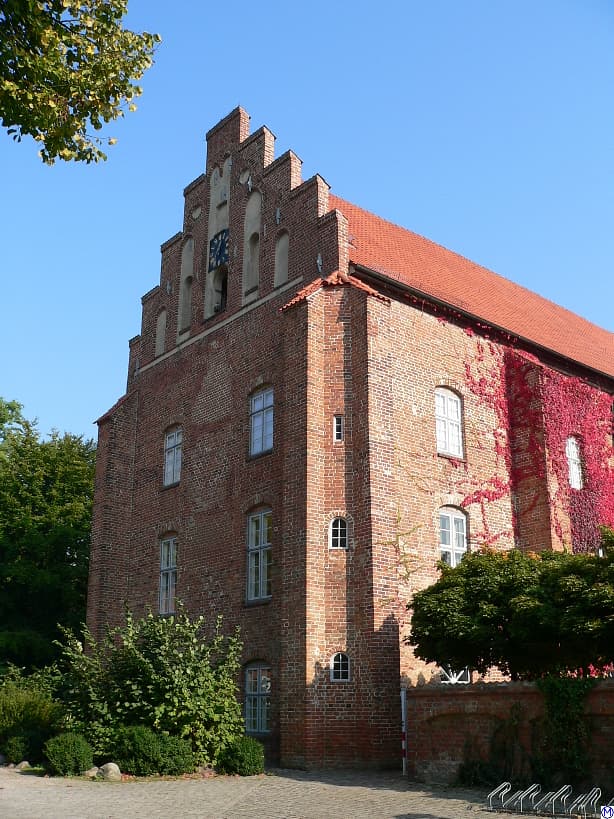
Cismar Abbey
Cismar Abbey was a Benedictine monastery founded in 1238 by Count Adolf IV of Holstein. It became a significant pilgrimage site due to its relic of Christ's blood and a healing spring, and was an early member of the Bursfelde Congregation. Dissolved during the Reformation in 1561, its church remains famous for its 14th-century carved altar, and the surviving buildings now function as a museum.