
Port-Royal
Catholic·France·Museum/Hospital complex·17th century
Port-Royal Abbey in Paris was a significant stronghold of Jansenism, a theological movement within Catholicism. Founded in 1626 by Cistercian nuns who moved from Port-Royal-des-Champs, the Parisian abbey became a center of religious and intellectual life, often at odds with church and royal authorities. It was dissolved in 1709 and its buildings eventually became part of the Hôpital Cochin, with remnants preserved as historical monuments.
Key Facts
- ›Founded in 1626 by Cistercian nuns relocating from Port-Royal-des-Champs.
- ›Became a prominent center for Jansenism, a controversial theological movement.
- ›Experienced frequent conflicts with the French monarchy and Catholic hierarchy.
- ›The Parisian abbey was dissolved in 1709.
- ›Parts of the original abbey buildings are preserved within the modern Hôpital Cochin.
- ›The surviving structures have been designated as French historical monuments.

Baroque
Cloister, Chapel of the TrèS Saint Sacrement, Chapter House
Port-Royal-De-Paris
AngéLique Arnauld, Antoine Arnault, SéBastien Zamet, Blaise Pascal, Louis Xiv, Cardinal Mazarin, Antoine Lepautre, Adolphe Pinard, Alexandre Minkowski, Philippe De Champaigne, Louise Magdeleine Hortemels, Charles Augustin Sainte-Beuve, Henry De Monthernant
- Founding of Port-Royal-De-Paris In 1626
- Adoption of Adapted Cistercian Habit With Red Cross
- Conflicts With Royal and Ecclesiastical Authorities Over Jansenism
- Dissolution of Port Royal Communities In 1709
- Use As A Prison From 1793
- Conversion Into Maternity Hospital Facilities In the Late 18th Century
- Establishment of the Baudelocque Clinic In 1890
- Bombing of the Baudelocque Clinic In 1918
- Integration Into Cochin Hospital Group From 1960
About Port-Royal
Port-Royal Abbey
Port-Royal Abbey in Paris, also known as Port-Royal-de-Paris, was an influential religious institution that became a central stronghold of Jansenism, a significant theological and political movement within 17th and 18th century Catholicism. The abbey's origins trace back to the acquisition of the Hôtel de Clagny in Paris, which was remodeled to accommodate Cistercian nuns relocating from the older Port-Royal-des-Champs abbey. This move, initiated in 1626 under the leadership of Abbess Angélique Arnauld, aimed to alleviate overcrowding and health risks at the mother house.
Religious and Political Significance
Under Angélique Arnauld, Port-Royal-de-Paris developed into a hub for Jansenist thought, attracting intellectuals and theologians. Jansenism's emphasis on divine grace and predestination, along with its critiques of Jesuit theology and perceived challenges to royal authority, placed the abbey and its adherents in frequent conflict with both the French monarchy, particularly Louis XIV, and the hierarchy of the Catholic Church. Despite these pressures, the nuns of Port-Royal were recognized for their intellectual contributions and their defense of intellectual freedom, influencing later Enlightenment thinkers.
From Abbey to Hospital
The abbey's independent existence was ultimately curtailed. Facing persistent opposition, the Port-Royal communities, including the Parisian abbey, were dissolved by papal decree in 1709. Following its closure in 1790, the buildings underwent significant transformations. They were repurposed as a prison during the French Revolution and subsequently became a maternity hospital in the late 18th century. Over the 19th and 20th centuries, these facilities evolved into the Maternité de Port-Royal and the Baudelocque clinic, deeply involved in obstetrics and neonatology. Today, the main cloister and other surviving architectural elements of the former abbey are preserved within the modern Hôpital Cochin, serving as a historical reminder of its complex past.
Source: Wikipedia ↗
Frequently Asked Questions
When was Port-Royal Abbey founded?
The Cistercian nuns moved from their older abbey, Port-Royal-des-Champs (founded in 1204), to Paris and established Port-Royal-de-Paris in 1626. The Hôtel de Clagny, which housed the abbey, was remodeled around this time to accommodate the new convent.
What was Jansenism, and what was Port-Royal's role in it?
Jansenism was a theological movement within Catholicism that held religious and political beliefs considered contrary to the interests of the French monarchy and the Catholic Church hierarchy. Port-Royal Abbey in Paris became a major stronghold and center for Jansenist thought and practice.
What happened to Port-Royal Abbey after it was dissolved?
The abbey was dissolved in 1709. Its buildings were preserved and later incorporated into the Hôpital Cochin. During the French Revolution, parts of the abbey were used as a prison.
Are any parts of Port-Royal Abbey still standing?
Yes, remnants of the original abbey, including the main cloister, chapel, and chapter house, have been preserved. These structures are now integrated into the modern Hôpital Cochin and have been listed as French historical monuments.
Who was Angélique Arnauld?
Angélique Arnauld was a prominent figure and abbess who played a key role in the establishment of Port-Royal Abbey in Paris. She was instrumental in moving the Cistercian nuns from Port-Royal-des-Champs to the Parisian location in 1625 to alleviate overcrowding.
Related Monasteries

Koenigshoffen Charterhouse
The Koenigshoffen Charterhouse, originally founded in 1335 near Strasbourg, was destroyed in 1591. Its community found refuge in Molsheim and began building a new monastery in 1626, integrating it into the urban fabric. This new charterhouse became a significant religious and cultural center known for its stained glass, library, and medicinal products, active until the French Revolution when it was secularized and partially demolished. Today, the remaining structures house the Musée de la Chartreuse.

Val-de-Grâce Abbey
Val-de-Grâce Abbey, originally a Benedictine convent and church, was commissioned by Queen Anne of Austria in gratitude for the birth of her son, Louis XIV. Designed by François Mansart and Jacques Lemercier, its church is a notable example of Baroque architecture. After the French Revolution, the complex was converted into a military hospital, a function it maintained until its closure as a hospital in 2016, while its church and former abbey now serve as a museum and historical site.
De La Salle Brothers
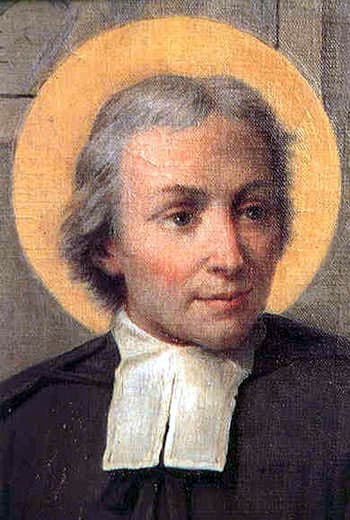
The De La Salle Brothers, officially the Institute of the Brothers of the Christian Schools (FSC), is a Catholic lay religious congregation founded in France by Jean-Baptiste de La Salle in 1679. Dedicated to providing a human and Christian education, especially to the poor, the institute operates over a thousand educational centers in nearly 80 countries, serving over a million students. While lauded for their educational mission and recognized by the Pope, the order has also faced significant controversy due to admitted long-standing cases of physical and sexual abuse within some of its institutions.