
Pauline Fathers
The Order of Saint Paul the First Hermit, commonly known as the Pauline Fathers, is a Catholic monastic order founded in Hungary in the 13th century. Inspired by the hermit Saint Paul of Thebes, the order was established by Blessed Eusebius of Esztergom and grew to encompass numerous houses across Europe, though many were suppressed in the 18th century. Today, the Pauline Fathers continue their charism of contemplation, liturgical prayer, and devotion to the Virgin Mary, with communities in various countries.
Key Facts
- ›Founded in Hungary in 1250 by Blessed Eusebius of Esztergom.
- ›Adheres to the Rule of St. Augustine, adopted in 1308.
- ›Historically spread through Hungary, Germany, Poland, and Sweden.
- ›Known for its habit which transitioned from brown to white around 1341.
- ›Currently has 71 homes/monasteries/parishes in 16 countries as of December 2020.
- ›The Order emphasizes contemplation, liturgical prayer, a poor and industrious life, and devotion to our Lady.
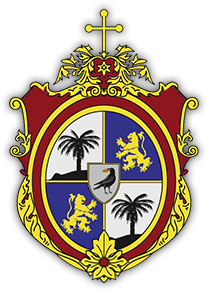
- Monastery of St. Lawrence At Buda
- Monastery of Our Lady of Jasna GóRa In CzęStochowa, Poland
- Icon of the Black Madonna of CzęStochowa
Order of Saint Paul the First Hermit, Osppe
Blessed Eusebius of Esztergom, Saint Paul of Thebes, George Martinuzzi, Ladislaus BáThory, Matthias Fuhrmann, Fortunatus DüRich, Franz Faustin Prochaska
- Suppression of Houses In Bohemia and Austria In 1783
- Suppression of Most Hungarian Monasteries Due To Political Disturbances
About Pauline Fathers
The Order of Saint Paul the First Hermit
The Order of Saint Paul the First Hermit, commonly referred to as the Pauline Fathers, is a monastic order within the Catholic Church. Its origins trace back to Hungary in the 13th century, inspired by the life of Saint Paul of Thebes, an early Christian hermit.
History and Development
The order was officially established in 1250 by Blessed Eusebius of Esztergom, who brought together various hermitic communities. Initially, the order followed a rule derived from its founder and later adopted the Rule of St. Augustine in 1308, receiving significant privileges from the Holy See. The Paulines experienced considerable growth, establishing numerous houses and provinces across Hungary, Germany, Poland, and Sweden. Notable historical houses include the Monastery of St. Lawrence at Buda and the renowned Polish Monastery of Our Lady of Jasna Góra in Częstochowa, home to the Miraculous Icon of the Black Madonna. However, political and social changes in the 18th century led to the suppression of many Pauline houses, particularly in Hungary and Austria, significantly reducing their numbers.
Charism and Present Day
Today, the Pauline Fathers continue to live by their foundational charism, which emphasizes contemplation of God in solitude, the importance of liturgical prayer, a commitment to a poor and industrious life, and the spreading of devotion to the Virgin Mary. They also engage in apostolic activities, including preaching and the administration of sacraments. As of December 2020, the order maintains a presence with 71 communities across 16 countries, including active provinces in Germany, the Americas, and Australia, as well as quasi-provinces in Hungary and Croatia. The formation process for new members, whether for the priesthood or as religious brothers, involves rigorous stages of postulancy, novitiate, and seminary studies, with Poland serving as a primary center for formation.
Source: Wikipedia ↗
Frequently Asked Questions
When was the Order of Saint Paul the First Hermit founded?
The Order was officially formed in 1250. It was established by Blessed Eusebius of Esztergom, bringing together existing hermits and communities.
Who is Saint Paul the First Hermit?
Saint Paul of Thebes, who died around 345 AD, is the hermit from whom the order derives its name. He is venerated as the model for the Pauline Fathers.
What is the religious tradition of the Pauline Fathers?
The Pauline Fathers belong to the Catholic Church. They are a monastic order within Catholicism.
What is the Rule followed by the Pauline Fathers?
The Order adheres to the Rule of St. Augustine, which was formally granted to them in 1308. While monastic in nature, they are organized similarly to a mendicant order.
What are the main characteristics of the Pauline charism today?
The core charism of the Pauline Fathers includes contemplation of God in solitude, love of liturgical prayer, living a poor and industrious life, spreading devotion to the Virgin Mary, and engaging in apostolic activity such as preaching and administering sacraments.
Where are the Pauline Fathers located today?
As of December 2020, the Order has 71 homes, monasteries, or parishes spread across 16 countries. Major provinces exist in Germany, America, and Australia, with quasi-provinces in Hungary and Croatia.
Related Monasteries
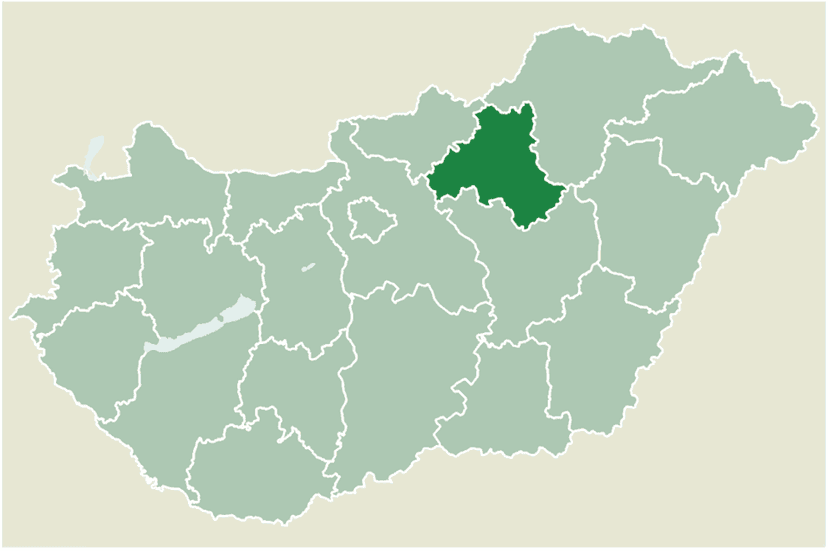
Felsőtárkány
Felsőtárkány is a municipality in Hungary with a history intertwined with monastic settlements. Originally mentioned in the 13th century, it saw the establishment of a Carthusian monastery in the 14th century, which was destroyed during Ottoman invasions. Later, in the 18th century, a monastery for Nazarenes was built, with remains still visible today. The settlement itself experienced destruction and repopulation throughout its history, evolving into its modern form.

Gellért Hill Cave
The Gellért Hill Cave, also known as Saint Ivan's Cave, is a significant cave network in Budapest, Hungary, historically associated with a hermit and thermal springs. In the 1920s, Pauline monks transformed it into a chapel and monastery, serving as a place of worship and a World War II field hospital. After being sealed by the authorities in 1951, it reopened in 1989 and the Pauline Order returned, continuing its religious functions while also functioning as a popular tourist attraction.

Hungary
Hungary is a landlocked nation in Central Europe with a rich history dating back to the late ninth century. It transformed from a principality into a Christian medieval kingdom, experienced periods of division and reunification under various empires, and played a significant role as part of the Austro-Hungarian Monarchy. The country has a strong cultural heritage, with notable contributions to arts, music, literature, and science, and is a popular tourist destination.