
Felsőtárkány
Christianity·Hungary·Ruins and active municipality·13th century
Felsőtárkány is a municipality in Hungary with a history intertwined with monastic settlements. Originally mentioned in the 13th century, it saw the establishment of a Carthusian monastery in the 14th century, which was destroyed during Ottoman invasions. Later, in the 18th century, a monastery for Nazarenes was built, with remains still visible today. The settlement itself experienced destruction and repopulation throughout its history, evolving into its modern form.
Key Facts
- ›First mentioned in 1261 as Oltarkan and Feltarlam.
- ›A Carthusian monastery was built between 1330 and 1350.
- ›The medieval settlement and monastery were destroyed in 1526 and 1552.
- ›A monastery for Nazarenes was built in 1750.
- ›The settlement's name was finalized as Felsőtárkány in 1694.
- ›Located in the Tárkány basin at the foothills of the Bükk Mountains.
Late Baroque
Remains of Nazarene Monastery, Ruins of Carthusian Monastery, Catholic Church BűNbáNó Szent MáRia Magdolna, FelsőTáRkáNy National Forest Railway
Oltarkan, Feltarlam
MiklóS Ii, Archbishop BarkóCzy, KáRoly EszterháZy, JóZsef Francz, Giacomo Adami, Giovanni Adami, JóZsef Mozer
- First Mention In 1261
- Establishment of Carthusian Monastery
- Destruction During Ottoman Invasion
- Repopulation of AlsóTáRkáNy
- Name Change To FelsőTáRkáNy
- Building of Castle Fourcontrasti and Nazarene Monastery
- End of World War Ii For Residents
- Formation of Agricultural Cooperative
About Felsőtárkány
Felsőtárkány is a municipality in Hungary with a historical landscape shaped by monastic foundations and periods of conflict. Its origins trace back to the 13th century, with early mentions as Oltarkan and Feltarlam. The settlement's history is significantly marked by the presence of religious orders.
Monastic History
In the 14th century, the Carthusian monks established a monastery in Felsőtárkány, a significant religious and architectural endeavor of the medieval period. This period also saw the settlement divided into Lower and Upper Tárkány. However, the region was devastated by Ottoman invasions, leading to the destruction of the medieval settlement and its Carthusian monastery in 1526 and 1552. While Alsótárkány was eventually repopulated, the medieval Felsőtárkány was never resettled. Later, in 1750, Archbishop Barkóczy ordered the construction of a castle and a new monastery for the Nazarene order, the remains of which are still visible today. The Catholic Church of Penitent St. Mary Magdalene, built between 1785 and 1790, stands as a testament to the later Baroque architectural influence in the region.
Geographical and Modern Context
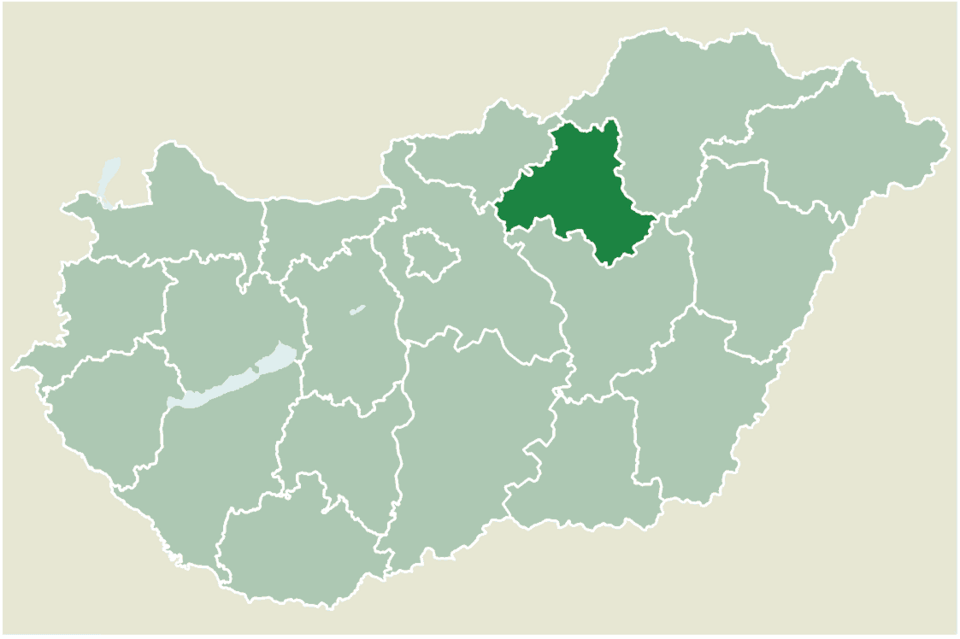
Felsőtárkány is located in the Tárkány basin, nestled at the foothills of the Bükk Mountains, approximately 6 km northeast of Eger in Heves county. The municipality covers a substantial area of 7734.6 hectares. Historically, its population has fluctuated, with records showing significant growth in the late 18th and 19th centuries. Post-World War II, the area saw the establishment of agricultural cooperatives. Today, Felsőtárkány is an active municipality, and while its medieval monastic structures are in ruins, the site retains historical significance and is accessible for exploration.
Source: Wikipedia ↗
Frequently Asked Questions
When was Felsőtárkány first mentioned historically?
Felsőtárkány was first historically mentioned in 1261. At that time, it appeared in documents as Oltarkan and Feltarlam.
What monastic orders were present in Felsőtárkány?
The Carthusian monks established a monastery in Felsőtárkány between 1330 and 1350. Later, in 1750, Archbishop Barkóczy built a monastery for the Nazarenes.
What happened to the medieval monastery in Felsőtárkány?
The medieval monastery, built for the Carthusian monks, was destroyed during the Ottoman invasions. It was ruined around 1552 and has remained in ruins since then.
Are there any remains of the monasteries in Felsőtárkány today?
Yes, the remains of the monastery built for the Nazarenes in 1750 can still be seen on the north of the settlement. The medieval Carthusian monastery is also in ruins.
Where is Felsőtárkány located?
Felsőtárkány is situated in the Tárkány basin, at the foothills of the Bükk Mountains. It is located about 6 km northeast of Eger in Heves county, Hungary.
Related Monasteries

Hungary
Hungary is a landlocked nation in Central Europe with a rich history dating back to the late ninth century. It transformed from a principality into a Christian medieval kingdom, experienced periods of division and reunification under various empires, and played a significant role as part of the Austro-Hungarian Monarchy. The country has a strong cultural heritage, with notable contributions to arts, music, literature, and science, and is a popular tourist destination.

Pauline Fathers
The Order of Saint Paul the First Hermit, commonly known as the Pauline Fathers, is a Catholic monastic order founded in Hungary in the 13th century. Inspired by the hermit Saint Paul of Thebes, the order was established by Blessed Eusebius of Esztergom and grew to encompass numerous houses across Europe, though many were suppressed in the 18th century. Today, the Pauline Fathers continue their charism of contemplation, liturgical prayer, and devotion to the Virgin Mary, with communities in various countries.

Gellért Hill Cave
The Gellért Hill Cave, also known as Saint Ivan's Cave, is a significant cave network in Budapest, Hungary, historically associated with a hermit and thermal springs. In the 1920s, Pauline monks transformed it into a chapel and monastery, serving as a place of worship and a World War II field hospital. After being sealed by the authorities in 1951, it reopened in 1989 and the Pauline Order returned, continuing its religious functions while also functioning as a popular tourist attraction.