
Hungary
Hungary is a landlocked nation in Central Europe with a rich history dating back to the late ninth century. It transformed from a principality into a Christian medieval kingdom, experienced periods of division and reunification under various empires, and played a significant role as part of the Austro-Hungarian Monarchy. The country has a strong cultural heritage, with notable contributions to arts, music, literature, and science, and is a popular tourist destination.
Key Facts
- ›The territory of modern-day Hungary was settled by various groups before the establishment of the Hungarian state in the late 9th century.
- ›Statehood began with the Principality of Hungary and transformed into a Christian medieval kingdom under King Stephen I in 1000.
- ›Hungary was divided into three regions for over 150 years after a defeat by the Ottoman Empire in 1526.
- ›The Austro-Hungarian Monarchy, formed by a compromise in 1867, was a major European power until its collapse after World War I.
- ›The country transitioned peacefully into a democratic parliamentary republic as part of the Revolutions of 1989.
- ›Hungary joined the European Union in 2004 and the Schengen Area in 2007.

Carpathian Basin, Danube River's Drainage Basin, Great Lowland Plains
MagyarorszáG
Attila the Hun, áRpáD, King Stephen I, King Saint Ladislaus, BéLa Iii, Andrew Ii, BéLa Iv, Charles I of Hungary, Louis the Great, Sigismund of Luxembourg, John Hunyadi, Matthias Corvinus, Vladislaus Ii, GyöRgy DóZsa, Francis Ii RáKóCzi, Lajos Kossuth, MiháLy TáNcsics, Lajos BatthyáNy, ArtúR GöRgey, Julius Jacob Von Haynau, IstváN Tisza, MiklóS Horthy, Viktor OrbáN
- Roman Conquest of the Territory Between the Alps and the Danube
- Establishment of the Principality of Hungary
- Transformation Into A Christian Medieval Kingdom Under King Stephen I
- Incorporation Into Christian Western Europe
- Personal Union With the Kingdom of Croatia
- Mongol Invasion
- Angevin Dynasty Rule
- First Hungarian Bible Translation Completed
- Battle of MoháCs
- Division Into Three Parts Under Ottoman and Habsburg Rule
- Reconquest of Buda From the Turks
- War of Independence Led By Francis Ii RáKóCzi
- Reform Period
- Hungarian Revolution of 1848–1849
- Austro-Hungarian Compromise
- Formation of the Austro-Hungarian Monarchy
- Unification of Buda and óBuda With Pest To Form Budapest
- World War I
- Establishment of the Hungarian People's Republic
- Hungarian Revolution of 1956
- Revolutions of 1989 and Peaceful Transition To Democracy
- Joining the European Union
- Joining the Schengen Area
About Hungary
Hungary is a landlocked country situated in Central Europe, occupying a significant portion of the Carpathian Basin. Its history is marked by the arrival of various peoples before the establishment of the Hungarian state in the late ninth century. Initially a principality, it evolved into a Christian medieval kingdom under King Stephen I around the year 1000. Following periods of internal consolidation and external conflicts, including a significant defeat by the Ottoman Empire in 1526, Hungary experienced a long phase of division. It was later reunited under Habsburg rule, eventually forming the Austro-Hungarian Monarchy, a major European power until its dissolution after World War I. The country's modern borders were established after this conflict, and it underwent significant political transformations throughout the 20th century, including periods of communist rule and a peaceful transition to a democratic parliamentary republic in 1989.
History and Context
The territory of present-day Hungary was inhabited by various groups, including Celts, Romans, Huns, and Slavs, before the arrival of the Magyar tribes in the late ninth century. Under the leadership of Grand Prince Álmos and his son Árpád, the foundations of the Hungarian state were laid. The integration into Christian Western Europe began in the late 10th century under Prince Géza, and his son, Saint Stephen I, was crowned the first King of Hungary, establishing a Catholic Apostolic Kingdom. The Árpád dynasty ruled for centuries, overseeing periods of expansion and significant cultural development, including the issuance of the Golden Bull of 1222, considered the first constitution in Continental Europe. The kingdom faced devastating invasions, notably by the Mongols in the 13th century, which led to extensive rebuilding efforts and the construction of numerous fortifications.
The medieval period also saw the rise of elected kings and significant military leaders like John Hunyadi and his son, Matthias Corvinus. Matthias Corvinus's reign (1458–1490) is considered a golden age, marked by military successes, patronage of the arts and learning, and the establishment of the renowned Bibliotheca Corviniana. However, internal instability and the growing threat from the Ottoman Empire led to the Battle of Mohács in 1526, after which Hungary was divided for approximately 150 years. The reconquest of Buda from the Ottomans in 1686 marked the end of Ottoman rule. The 18th century was characterized by attempts to assert independence from Habsburg rule, notably the war led by Francis II Rákóczi.
Modern Era and Cultural Significance
The 19th century brought about a reform period focused on modernization and the struggle for civil and political rights, culminating in the Hungarian Revolution of 1848–1849. The subsequent Austro-Hungarian Compromise of 1867 established the dual monarchy, leading to a period of economic development and modernization. By the turn of the 20th century, Hungary had become a relatively industrialised nation. The country endured further turmoil through two World Wars and a period of Soviet influence before its peaceful transition to democracy in 1989. Today, Hungary is a member of the European Union and the Schengen Area, and it is recognized for its contributions to arts, music, literature, sports, science, and technology, making it a notable tourist destination.
Source: Wikipedia ↗
Frequently Asked Questions
When was the Hungarian state established?
The foundation of the Hungarian state is connected to the arrival of Hungarian conquerors from the Pontic-Caspian steppe, with statehood beginning in the late ninth century.
What was the significance of King Stephen I?
King Stephen I, who reigned around 1000 AD, transformed the Principality of Hungary into a Christian medieval kingdom and is recognized as the first King of Hungary.
What led to Hungary's division in the 16th century?
Following a decisive victory by the Ottoman Empire at the Battle of Mohács in 1526, Hungary was divided into three parts for over 150 years.
What was the Austro-Hungarian Monarchy?
The Austro-Hungarian Monarchy was a dualistic state formed by a compromise in 1867, uniting the Austrian Empire and the Kingdom of Hungary, and it operated as a major European power until its dissolution after World War I.
How did Hungary transition to democracy?
Hungary peacefully transitioned into a democratic parliamentary republic as part of the Revolutions of 1989, marking the end of communist rule.
Related Monasteries
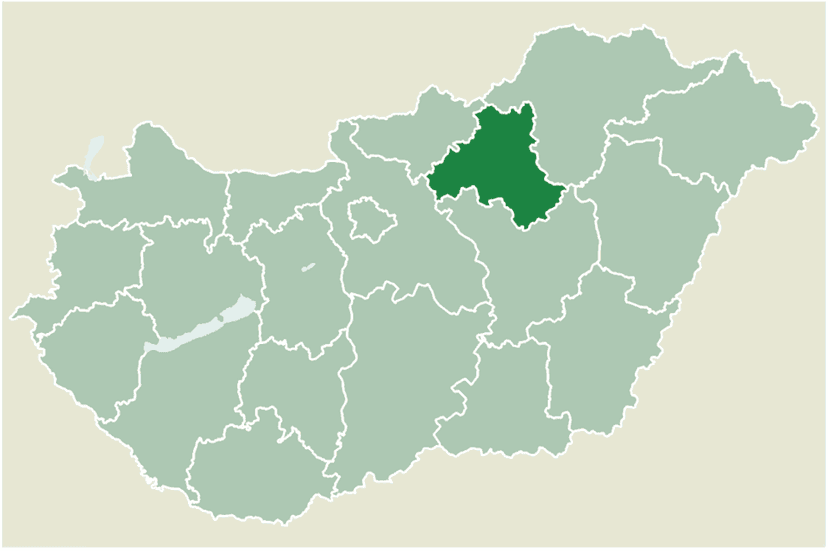
Felsőtárkány
Felsőtárkány is a municipality in Hungary with a history intertwined with monastic settlements. Originally mentioned in the 13th century, it saw the establishment of a Carthusian monastery in the 14th century, which was destroyed during Ottoman invasions. Later, in the 18th century, a monastery for Nazarenes was built, with remains still visible today. The settlement itself experienced destruction and repopulation throughout its history, evolving into its modern form.

Gellért Hill Cave
The Gellért Hill Cave, also known as Saint Ivan's Cave, is a significant cave network in Budapest, Hungary, historically associated with a hermit and thermal springs. In the 1920s, Pauline monks transformed it into a chapel and monastery, serving as a place of worship and a World War II field hospital. After being sealed by the authorities in 1951, it reopened in 1989 and the Pauline Order returned, continuing its religious functions while also functioning as a popular tourist attraction.

Pauline Fathers
The Order of Saint Paul the First Hermit, commonly known as the Pauline Fathers, is a Catholic monastic order founded in Hungary in the 13th century. Inspired by the hermit Saint Paul of Thebes, the order was established by Blessed Eusebius of Esztergom and grew to encompass numerous houses across Europe, though many were suppressed in the 18th century. Today, the Pauline Fathers continue their charism of contemplation, liturgical prayer, and devotion to the Virgin Mary, with communities in various countries.