
Passionist
The Passionists, officially the Congregation of the Passion of Jesus Christ, are a Catholic clerical religious congregation founded by Paul of the Cross in 1720. Their defining charism is a deep devotion to the Passion of Jesus Christ, reflected in their vows, apostolate, and distinctive emblem. Historically, they have balanced contemplative life with active preaching missions and pastoral works, serving in various capacities within the Church and engaging in social welfare projects in mission territories.
Key Facts
- ›Founded by Paul of the Cross in 1720.
- ›Officially named the Congregation of the Passion of Jesus Christ.
- ›Members wear a black tunic and mantle bearing the emblem 'Jesu XPI Passio'.
- ›Historically balanced contemplative life with preaching missions and retreats.
- ›Members are not permitted to possess land individually; the congregation collectively owns community houses.
- ›As of 2014, the congregation had 2,179 members in 61 countries.
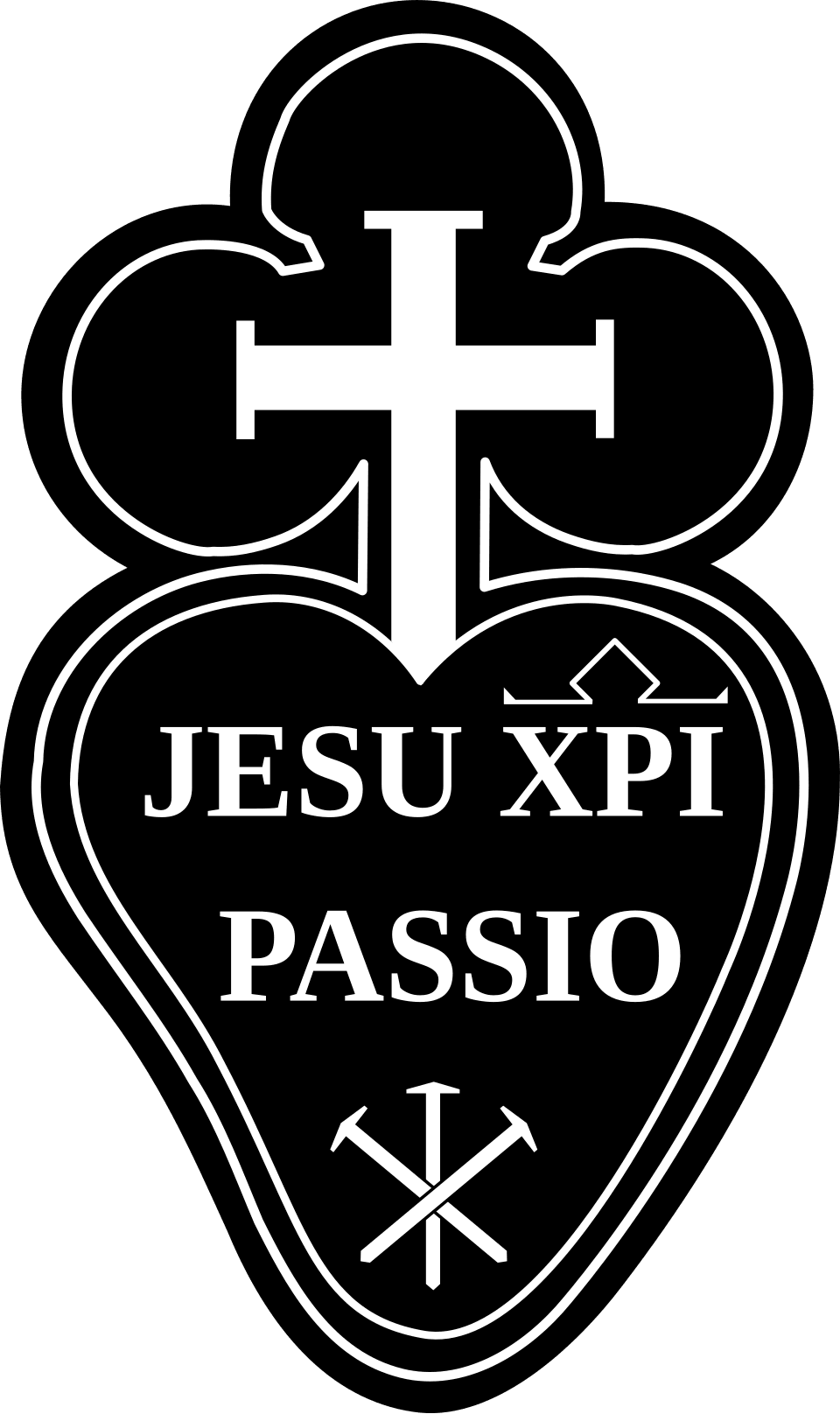
- Emblem of the Sacred Heart of Jesus Surmounted By A Cross
- Black Rough Woolen Tunic and Mantle Bearing the Words 'Jesu Xpi Passio'
- Mount Argentario Hermitage and Chapel Dedicated To Saint Anthony
- General Headquarters and International House of Studies In Rome
Congregation of the Passion of Jesus Christ, Cp
- Paul of the Cross
- John Baptist Danei
- Vincenzo Strambi
- Gabriele Dell'Addolorata
- Charles of Mount Argus
- Maria Goretti
- Gemma Galgani
- Innocencio De La Inmaculada Concepcion
- Domenico Giovanni Barberi
- Lorenzo Maria Di San Francesco Saverio
- Pio Di San Luigi
- Grimoaldo Della Purificazione
- Bernardo Maria Di Gesu
- Isidore of Saint Joseph
- NicéForo De Jesus Y Maria
- Eugene Bossilkov
- Giovanni Battista Danei
- Maria Crocifissa Di Gesu
- Maria Maddalena Frescobaldi Capponi
- Mary Joseph of Jesus
- Ignatius of St Paul
- Gabriele Di Nostra Signora Del Sacro Cuore
- Giovanni Dell'Espirito Santo
- Germano Di Sant'Estanislao
- Norberto of Our Lady of the Garden
- Giuseppe Di Gesu E Maria
- Nazareno Della Maria Immacolata
- Bernard of the Mother of Beautiful Love
- Maria Addolorata of the Sacred Side
- Maria Maddalena Di Gesu Della Santissimo Sacramento
- Gerardo De San Francisco
- Antonieta Di San Michele Arcangele
- Generoso Della S.S. Crocifisso
- Martin of the Side of Jesus
- Francisco De La Pasion
- Eugenio Di San Gabriele Arcangele
- Marie-Marthe of Jesus Crucified
- Theodore of Mary Inmaculate
- Benito De San Pablo De La Cruz
- Estanislao Dell'Espirito Santo
- Carmelina Della Croce
- Candido Dell'Immacolata
- Pedro Enoch Richards
- John Moynihan Tettemer
- Kieran Creagh
- Martin J. Newell
- Brian D'Arcy
- Edward L. Beck
- Thomas Berry
- Papal Permission Granted By Pope Benedict Xiii To Form the Congregation .
- Establishment of the First House On Mount Argentario .
- Full Rights Granted To the Passionists As A Congregation By Clement Xiv .
- Affixing of the Emblem 'Jesu Xpi Passio' On Their Tunics .
About Passionist
The Passionists: Devotion to Christ's Passion
The Passionists, officially known as the Congregation of the Passion of Jesus Christ (Latin: Congregatio Passionis Iesu Christi), are a Catholic clerical religious congregation founded in 1720 by Saint Paul of the Cross. Their core identity and mission are deeply rooted in a special emphasis on and devotion to the Passion of Jesus Christ. This charism is expressed through their vows, their distinctive emblem, and their apostolates. The congregation's symbol, a labeled emblem of the Sacred Heart of Jesus surmounted by a cross, is often sewn onto the habit worn by its members.
History and Foundation
Saint Paul of the Cross, born in 1694, penned the rules for the Congregation between late 1720 and early 1721. Pope Benedict XIII granted him permission to establish his congregation on June 7, 1725, the same day Paul and his brother, John Baptist Danei, were ordained. After serving briefly in Rome, they relocated to Mount Argentario in 1737, establishing their first house in a small hermitage with an attached chapel dedicated to Saint Anthony. This site continues to be a place of community life for the Passionists. In 1769, Pope Clement XIV granted the Passionists full rights, solidifying their status as a congregation.
Charism and Apostolate
The central charism of the Passionists is to seek the unity of their lives and apostolate in the Passion of Jesus. This is manifested through a special vow to keep alive the memory of Christ's Passion and to foster its meaning for individuals and the world. They strive to live the evangelical counsels of poverty, chastity, and obedience. Traditionally, their apostolate has focused on preaching missions and retreats, aiming to "teach people how to pray." Today, they also assist in pastoral works, offer spiritual direction, and sometimes serve as parish priests due to a shortage of clergy. Unlike some other religious orders, Passionists generally do not establish schools and universities, though exceptions exist, and they are involved in social welfare and education in mission territories.
Global Presence and Structure
As of 2014, the Passionists comprised 2,179 members across 61 countries on five continents. The congregation is governed by a superior general, elected every six years, with the assistance of six consultors. It is organized into provinces, vice-provinces, and missions, further grouped into six configurations: MAPRES, CCH, CJC, PASPAC, CPA, and SCOR. The superior general resides at the Congregation's General Headquarters in Rome, which also houses an international house of studies. The founder, Saint Paul of the Cross, is buried in a chapel adjacent to the Basilica of Saints John and Paul in Rome.
Source: Wikipedia ↗
Frequently Asked Questions
When were the Passionists founded?
The Passionists were founded by Paul of the Cross. He wrote the congregation's rules between November 22, 1720, and January 1, 1721, and received papal permission to form the congregation on June 7, 1725.
What is the main focus or charism of the Passionists?
The Passionist charism centers on the unity of their lives and apostolate in the Passion of Jesus. They foster awareness of its meaning and value and strive to incorporate this into their daily lives through the evangelical counsels.
What are the primary apostolates of the Passionists?
Traditionally, their main apostolates have been preaching missions and retreats. They also engage in spiritual direction, prayer groups, and assist local churches with pastoral works, including masses, confessions, and visiting the sick.
What is the distinctive symbol or emblem of the Passionists?
A known symbol of the congregation is the labeled emblem of the Sacred Heart of Jesus, surmounted by a cross. This symbol, often sewn into the habit, bears the words 'Jesu XPI Passio'.
Are there different branches or related congregations of the Passionists?
Yes, there are Passionist Sisters, known as the Sisters of the Cross and Passion, founded in 1852. There are also Passionist Nuns and the Confraternity of the Passion, which associates the faithful more closely with the order.
Where is the General Headquarters of the Passionists located?
The General Headquarters of the Passionists, along with an international house of studies, is located in Rome, Italy, at Piazza Ss. Giovanni e Paolo, 13, 00184 Roma. The founder, Paul of the Cross, is buried in a chapel attached to the Basilica of Saints John and Paul.
Related Monasteries
Redemptorist Fathers
The Redemptorists, officially the Congregation of the Most Holy Redeemer (CSsR), is a Catholic clerical religious congregation founded by Alphonsus Liguori in 1732. Dedicated to missionary work, particularly among the poor and neglected, they minister in over 100 countries. Their apostolate focuses on preaching, missions, retreats, and administering shrines, with a special devotion to Our Lady of Perpetual Help and the Immaculate Conception.
Bernardine Cistercians of Esquermes
The Bernardine Cistercians of Esquermes are a distinct branch of the Cistercian Order, adhering to the Rule of St. Benedict and actively engaged in the Catholic Church's mission through education and hospitality. Originating from three suppressed abbeys following the French Revolution, the order was re-established by determined sisters in Esquermes, near Lille, in 1799. Today, eight monasteries in six countries form this united community, continuing their spiritual life and apostolates.

Georgetown Visitation Monastery
The Monastery of the Visitation in Georgetown, District of Columbia, was founded in 1799 by Alice Lalor and began as a school dedicated to Catholic education. It evolved into an academy, now known as Georgetown Visitation Preparatory School, and formally became a monastery with solemn vows taken in 1816. The community played a significant role in early Catholic education in the United States and faced challenges including the yellow fever epidemic and the complexities of slavery.