
Georgetown Visitation Monastery
Catholic·United States of America·active·18th century
The Monastery of the Visitation in Georgetown, District of Columbia, was founded in 1799 by Alice Lalor and began as a school dedicated to Catholic education. It evolved into an academy, now known as Georgetown Visitation Preparatory School, and formally became a monastery with solemn vows taken in 1816. The community played a significant role in early Catholic education in the United States and faced challenges including the yellow fever epidemic and the complexities of slavery.
Key Facts
- ›Founded by Alice Lalor in 1799, initially as a school.
- ›Developed into Georgetown Visitation Preparatory School.
- ›Raised to the rank of a monastery by Pope Pius VII in 1816.
- ›Archbishop Leonard Neale was instrumental in its establishment and direction.
- ›The community owned approximately 121 enslaved African Americans during the 19th century.
- ›The crypt of the chapel holds the remains of several notable figures, including founders and early sisters.

- Chapel of the Sacred Heart
- Crypt Containing the Remains of Founders and Notable Figures
the Monastery of the Visitation, Georgetown
Alice Lalor, Leonard Neale, Joseph Picot De LimoëLan, Archbishop Neale, Winfield Scott, Virginia Scott
- Yellow Fever Epidemic of 1793 Disrupted Early Community Life.
- School Opened June 24, 1799.
- Community Raised To Rank of Monastery By Pope Pius Vii In 1816.
- Solemn Vows Taken By 30 Choir Sisters, 4 Lay Sisters, and 1 Out Sister On December 28, 1816.
- Academy Exempted From Seizure For Hospital Purposes During the American Civil War.
About Georgetown Visitation Monastery
Monastery of the Visitation, Georgetown
The Monastery of the Visitation in Georgetown, District of Columbia, is a significant institution within the Visitation Order, with a history deeply intertwined with Catholic education in the United States. Its origins trace back to Alice Lalor, an Irish native who, with companions, began community life under the guidance of Leonard Neale in Philadelphia in 1794. Following disruptions from yellow fever, the community was invited to settle in Georgetown by Neale, who had become president of Georgetown College.
Founding and Early Development
The monastery's educational mission began with the opening of a school on June 24, 1799, with the explicit aim of advancing Catholic education. This institution soon developed into an academy, now recognized as Georgetown Visitation Preparatory School. The community's status evolved significantly when, on July 14, 1816, Pope Pius VII issued a brief that elevated the community to the rank of a monastery. Solemn vows were subsequently taken by 30 choir sisters, 4 lay sisters, and 1 out sister on December 28, 1816. Archbishop Neale's influence continued even after his death, with Joseph Picot de Limoëlan taking over as director and contributing to the construction of a new chapel, the first chapel of the Sacred Heart in the United States.
Historical Context and Legacy
The monastery's history also reflects the complex social realities of its time. During the 19th century, the sisters owned approximately 121 enslaved African Americans. The academy, however, received protection during the American Civil War, being exempted from seizure for hospital use at the request of Winfield Scott. The crypt of the monastery's chapel serves as the final resting place for many key figures, including Alice Lalor, Archbishop Neale, Joseph de Cloriviere, and early sisters. The institution has seen its daughters establish communities in various locations, and notable alumni of its preparatory school include poets and authors like Harriet Monroe and Cornelia Jane Matthews Jordan.
Source: Wikipedia ↗
Frequently Asked Questions
When was the Monastery of the Visitation in Georgetown founded?
The school associated with the monastery opened on June 24, 1799. The community was formally raised to the rank of a monastery with solemn vows taken in 1816.
Who were the key figures involved in the founding of the monastery?
Alice Lalor, a native of Ireland, was the primary founder. Archbishop Leonard Neale played a crucial role in guiding the community and establishing the school. Joseph Picot de Limoëlan later served as the director and helped fund the construction of a new chapel.
What is the relationship between the monastery and Georgetown Visitation Preparatory School?
The monastery's origins are deeply tied to education. The school that opened in 1799 was developed into an academy, which is now known as Georgetown Visitation Preparatory School, and the sisters continue to be involved with the institution.
What historical challenges did the monastery face?
The community experienced disruptions from yellow fever epidemics in its early years. During the 19th century, the sisters also owned enslaved African Americans, a significant aspect of their history. The academy was also exempted from seizure during the American Civil War at the request of Winfield Scott.
Are there notable alumni associated with the school?
Yes, several notable figures, particularly poets and authors, are listed as alumni of the academy. These include Cornelia Jane Matthews Jordan, Harriet Monroe, and Cora Stuart Wheeler.
Related Monasteries
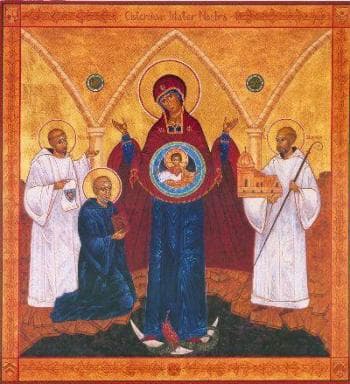
Bernardine Cistercians of Esquermes
The Bernardine Cistercians of Esquermes are a distinct branch of the Cistercian Order, adhering to the Rule of St. Benedict and actively engaged in the Catholic Church's mission through education and hospitality. Originating from three suppressed abbeys following the French Revolution, the order was re-established by determined sisters in Esquermes, near Lille, in 1799. Today, eight monasteries in six countries form this united community, continuing their spiritual life and apostolates.
Passionist
The Passionists, officially the Congregation of the Passion of Jesus Christ, are a Catholic clerical religious congregation founded by Paul of the Cross in 1720. Their defining charism is a deep devotion to the Passion of Jesus Christ, reflected in their vows, apostolate, and distinctive emblem. Historically, they have balanced contemplative life with active preaching missions and pastoral works, serving in various capacities within the Church and engaging in social welfare projects in mission territories.
Redemptorist Fathers
The Redemptorists, officially the Congregation of the Most Holy Redeemer (CSsR), is a Catholic clerical religious congregation founded by Alphonsus Liguori in 1732. Dedicated to missionary work, particularly among the poor and neglected, they minister in over 100 countries. Their apostolate focuses on preaching, missions, retreats, and administering shrines, with a special devotion to Our Lady of Perpetual Help and the Immaculate Conception.