
Nunkeeling Priory
Nunkeeling Priory was a Benedictine nunnery founded in 1152 by Agnes de Arches in the East Riding of Yorkshire, England. Dedicated to St. Mary Magdalene and St. Helen, it gained renown, leading to the nearby village of Keeling being renamed Nunkeeling. Despite periods of poverty and disciplinary issues in the 14th century, the priory was refounded in 1537 before its assets were surrendered in 1540 during the Dissolution of the Monasteries.
Key Facts
- ›Founded in 1152 by Agnes de Arches.
- ›Dedicated to St. Mary Magdalene and St. Helen.
- ›The priory's fame led to the renaming of the nearby village of Keeling to Nunkeeling.
- ›Experienced periods of poverty and disciplinary issues in the late 13th and early 14th centuries.
- ›Refounded in 1537, but ultimately surrendered its assets in 1540.
- ›The priory church was rebuilt in 1810 but has since fallen into ruins.
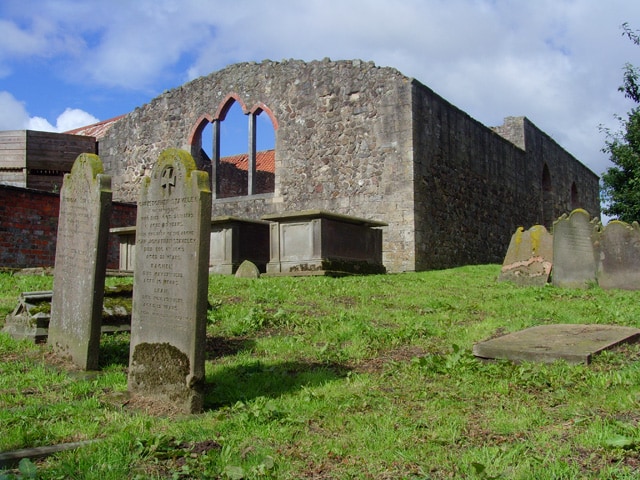
Rebuilt Church
Agnes De Arches, Christine Burgh
- Founded In 1152
- Suffered From Poverty
- Disciplinary Measures Ordered By Archbishop of York
- Refounded In 1537
- Surrendered Assets In 1540
- Church Rebuilt In 1810
About Nunkeeling Priory
Nunkeeling Priory was a significant Benedictine nunnery situated in the East Riding of Yorkshire, England. Its establishment in 1152 was thanks to the efforts of Agnes de Arches, also known as Agnes de Catfoss. The priory was dedicated to the veneration of St. Mary Magdalene and St. Helen.
History and Significance
The priory rose to prominence, to the extent that the adjacent settlement of Keeling was renamed Nunkeeling in its honor. However, its existence was marked by periods of hardship. Towards the close of the 13th century, Nunkeeling Priory faced considerable poverty. Further challenges arose in the early 14th century when several instances of disobedience among the nuns necessitated disciplinary actions ordered by the archbishop of York, possibly William Melton.
Dissolution and Later History
Nunkeeling Priory was not immediately affected by the initial stages of the Dissolution of the Monasteries in 1536; in fact, it was refounded in 1537. Despite this reprieve, its remaining assets were ultimately surrendered in 1540. Following confiscation as crown property under Henry VIII, the land was eventually sold and transitioned into a manor.
The priory's church underwent a rebuilding in 1810, utilizing materials salvaged from the original structure. However, this later building has since fallen into a state of ruin, leaving little of the priory's original fabric standing today.
Source: Wikipedia ↗
Frequently Asked Questions
When was Nunkeeling Priory founded?
Nunkeeling Priory was founded in 1152. The founding was initiated by Agnes de Arches, also known as Agnes de Catfoss.
Who was Nunkeeling Priory dedicated to?
The priory was dedicated to two saints: St. Mary Magdalene and St. Helen.
What happened to the priory during the Dissolution of the Monasteries?
Nunkeeling Priory was not immediately dissolved in 1536 and was even refounded in 1537. However, its remaining assets were finally surrendered in 1540.
What is the current state of Nunkeeling Priory?
The church of Nunkeeling Priory was rebuilt in 1810 using materials from the original structure. Since that rebuilding, it has fallen into ruins.
What historical issues did the priory face?
Towards the end of the 13th century, the priory suffered from great poverty. In the early 14th century, disciplinary measures were ordered by the archbishop of York due to cases of disobedience among the nuns.
Related Monasteries
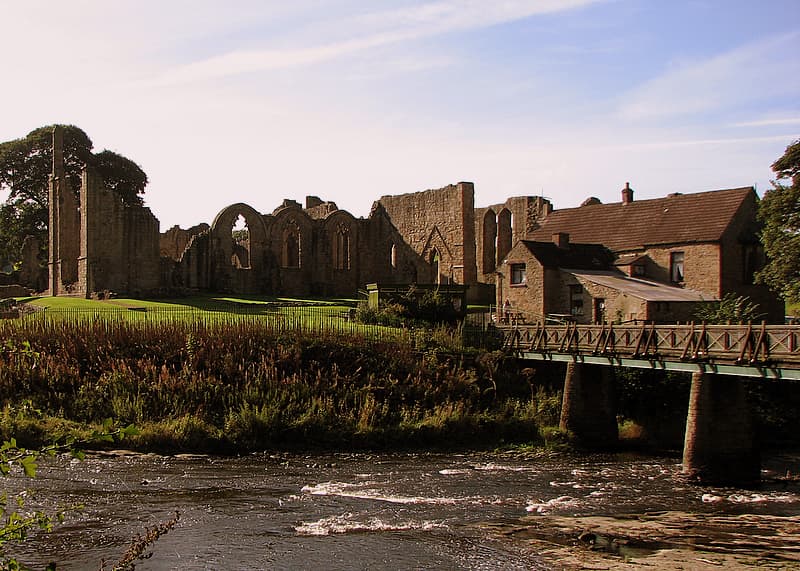
Finchale Priory
Finchale Priory was a 13th-century Benedictine priory located by the River Wear near Durham, England. Originally a hermitage founded by Godric of Finchale around 1112, it was endowed in 1196 to support eight monks and a prior, becoming a dependency of Durham Cathedral. The priory served as a rest facility for monks from Durham and operated until its dissolution in 1536, with its remains now managed by English Heritage.
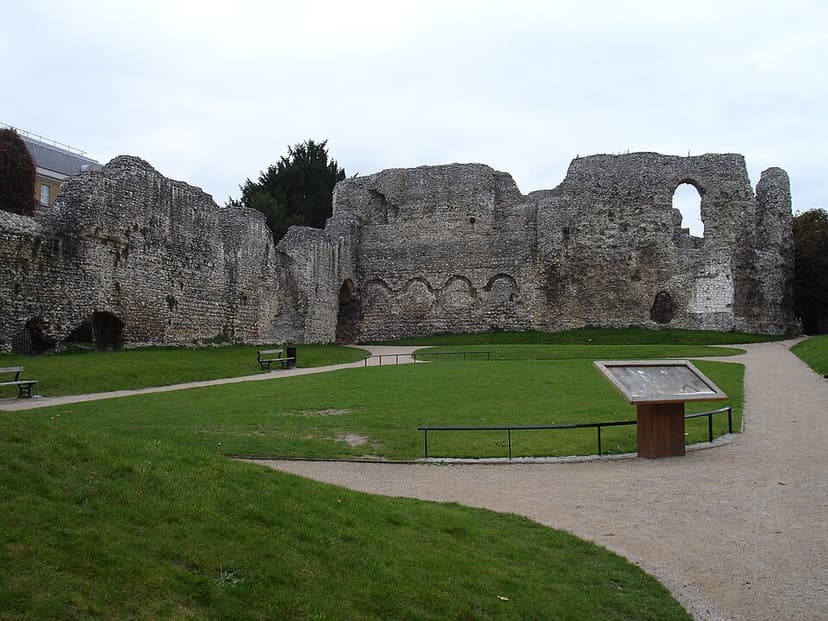
Reading Abbey
Reading Abbey was a large, ruined Benedictine monastery founded by King Henry I in 1121 in Reading, Berkshire, England. It was one of Europe's most significant royal monasteries, holding numerous relics and hosting royal events. Mostly destroyed during the Dissolution of the Monasteries in 1538, its ruins have undergone extensive conservation and reopened to the public in 2018, with parts of the site now occupied by HM Prison Reading.

Wix Priory
Wix Priory was a Benedictine nunnery located in Wix, Essex, England, with a history spanning from its founding in the early 12th century to its dissolution in 1525. While most of its structures have not survived, the priory church remains in existence today as St Mary's Church, Wix.