
Reading Abbey
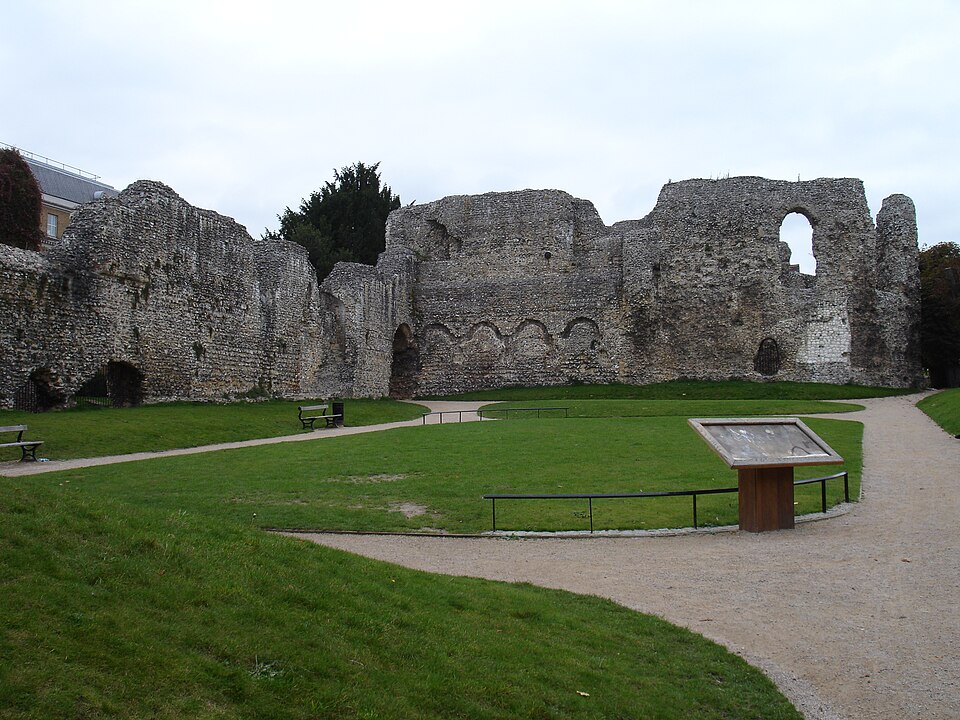
Reading Abbey was a large, ruined Benedictine monastery founded by King Henry I in 1121 in Reading, Berkshire, England. It was one of Europe's most significant royal monasteries, holding numerous relics and hosting royal events. Mostly destroyed during the Dissolution of the Monasteries in 1538, its ruins have undergone extensive conservation and reopened to the public in 2018, with parts of the site now occupied by HM Prison Reading.
Key Facts
- ›Founded by King Henry I in 1121 for the salvation of his ancestors' souls.
- ›Was one of the largest royal monasteries in Europe during its peak.
- ›Buried King Henry I in front of the altar of the then incomplete abbey.
- ›Held over 230 relics, including the hand of St. James.
- ›The musical composition 'Sumer is icumen in' was first written down at the abbey around 1240.
- ›Largely destroyed in 1538 during Henry VIII's Dissolution of the Monasteries.
Norman, Gothic
Ruins of the Abbey Church, Chapter House Ruins, Remains of the Monks' Dormitory, Abbey Gateway, Hospitium of St. John, Remains of the Abbey Mill, Holy Brook
Henry I, Hugh of Amiens, Henry Iii, John of Gaunt, Blanche of Lancaster, Hugh Faringdon, Jane Austen, Sir George Gilbert Scott, Philippa Langley
- Founded By Henry I
- Burial of Henry I
- Meeting Between Henry Ii and the Patriarch of Jerusalem
- Wedding of John of Gaunt and Blanche of Lancaster
- Meeting of Parliament
- Dissolution of the Monasteries
- Execution of Abbot Hugh Faringdon
- Reopening After Conservation Project
About Reading Abbey
Reading Abbey was a significant Benedictine monastery situated in the heart of Reading, Berkshire, England. Founded in 1121 by King Henry I, the abbey was intended as a royal mausoleum and a center of religious life, endowed with extensive lands and privileges. Its strategic location between the rivers Kennet and Thames facilitated transport and access, contributing to its prominence as one of Europe's largest royal monasteries.
History and Significance
The abbey was established with monks from Cluny Abbey in Burgundy and was dedicated to the Virgin Mary and St. John the Evangelist. Due to its royal patronage, Reading Abbey became a major pilgrimage site and a wealthy religious house. It was frequently visited by royalty, including Henry III, and hosted important state events such as royal weddings and parliamentary meetings. The abbey also possessed numerous relics, including the hand of St. James. Historically, it is also known as the place where the earliest known six-part harmony from Britain, 'Sumer is icumen in,' was first written down around 1240.
Dissolution and Legacy
Reading Abbey met a dramatic end during Henry VIII's Dissolution of the Monasteries. In 1538, the abbey was largely destroyed, and its last abbot, Hugh Faringdon, was executed for treason. Following the Dissolution, the buildings were extensively stripped of their materials. Over subsequent centuries, parts of the site were repurposed, including the former refectory which became part of Reading Town Hall and Reading School. The area now hosts HM Prison Reading and Forbury Gardens. The surviving ruins, including the Abbey Gateway, have undergone extensive conservation, with the site reopening to the public in 2018 as a testament to its rich historical and architectural past.
Source: Wikipedia ↗
Frequently Asked Questions
When was Reading Abbey founded?
Reading Abbey was founded in 1121 by King Henry I. He endowed the abbey with lands within Reading and other locations.
Who is buried at Reading Abbey?
King Henry I was buried at Reading Abbey in 1135. His body was returned from Normandy and interred at the front of the altar in the abbey church.
What happened to Reading Abbey?
The abbey was largely destroyed in 1538 during the Dissolution of the Monasteries under Henry VIII. The last abbot, Hugh Faringdon, was executed for treason. The buildings were subsequently dismantled and their materials reused.
Are there any surviving parts of Reading Abbey?
Yes, significant ruins of the abbey church, chapter house, and dormitory remain. The Abbey Gateway also survives intact and is a Grade I listed building. Parts of the hospitium and abbey mill are also extant.
When did Reading Abbey reopen to the public?
Following a major conservation project called 'Reading Abbey Revealed', the ruins and Abbey Gateway were re-opened to the public on June 16, 2018.
Is Reading Abbey still an active monastery?
No, Reading Abbey is now a ruined monastery and a historical site. The traditions of the Abbey are continued by the neighbouring St James's Church.
Related Monasteries
Finchale Priory
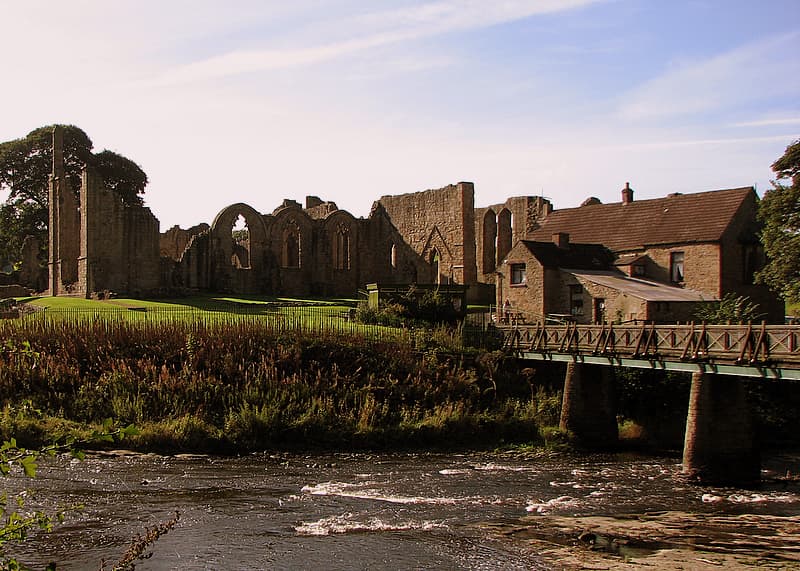
Finchale Priory was a 13th-century Benedictine priory located by the River Wear near Durham, England. Originally a hermitage founded by Godric of Finchale around 1112, it was endowed in 1196 to support eight monks and a prior, becoming a dependency of Durham Cathedral. The priory served as a rest facility for monks from Durham and operated until its dissolution in 1536, with its remains now managed by English Heritage.

Wix Priory
Wix Priory was a Benedictine nunnery located in Wix, Essex, England, with a history spanning from its founding in the early 12th century to its dissolution in 1525. While most of its structures have not survived, the priory church remains in existence today as St Mary's Church, Wix.
Nunkeeling Priory
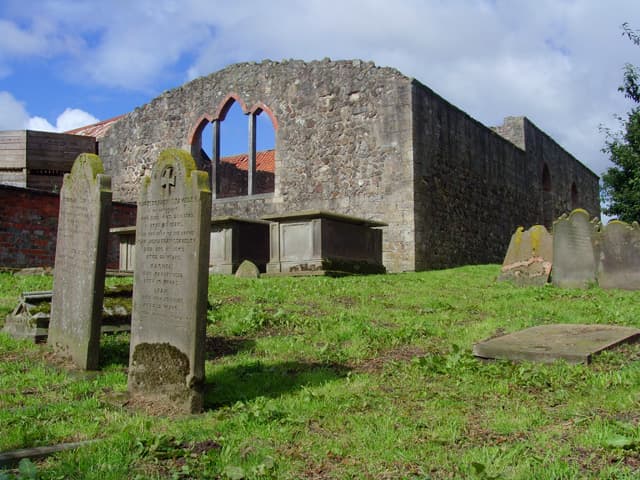
Nunkeeling Priory was a Benedictine nunnery founded in 1152 by Agnes de Arches in the East Riding of Yorkshire, England. Dedicated to St. Mary Magdalene and St. Helen, it gained renown, leading to the nearby village of Keeling being renamed Nunkeeling. Despite periods of poverty and disciplinary issues in the 14th century, the priory was refounded in 1537 before its assets were surrendered in 1540 during the Dissolution of the Monasteries.