
Finchale Priory
Finchale Priory was a 13th-century Benedictine priory located by the River Wear near Durham, England. Originally a hermitage founded by Godric of Finchale around 1112, it was endowed in 1196 to support eight monks and a prior, becoming a dependency of Durham Cathedral. The priory served as a rest facility for monks from Durham and operated until its dissolution in 1536, with its remains now managed by English Heritage.
Key Facts
- ›Founded as a hermitage by Godric of Finchale around 1112.
- ›Became a Benedictine priory and dependency of Durham Cathedral in 1196.
- ›Supported eight monks and a prior, endowed by Bishop Hugh Pudsey.
- ›Served as a rest facility for monks from Durham Cathedral.
- ›Dissolved in 1536 during the dissolution of the lesser monasteries.
- ›The remains are a Grade I listed building managed by English Heritage.
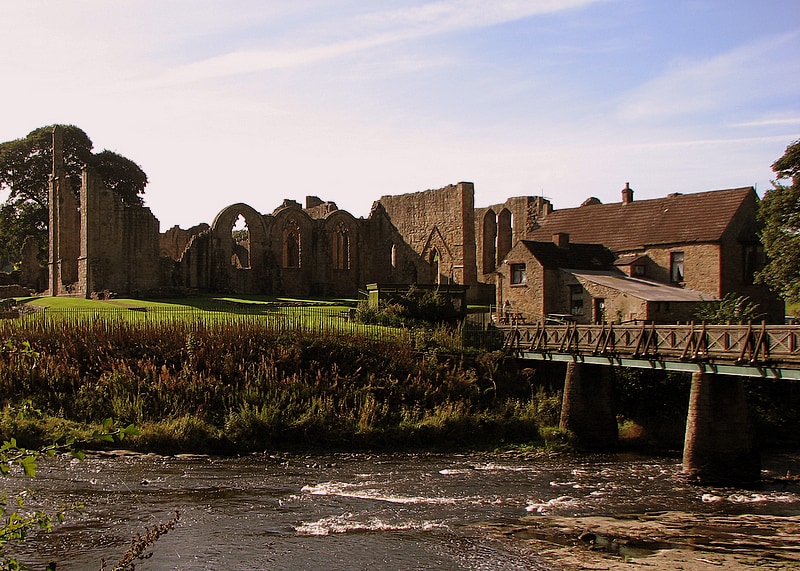
13th-Century Gothic
- Remains of the 12th-Century Chapel of St. John the Baptist
- Decorated Capitals On Original Arcade Columns
- Tracery In Filled-In Nave Arches
- Double Piscina and Sedilia On the South Wall
Finchale Abbey
Godric of Finchale, Ranulf Flambard, Thomas, Hugh Pudsey, Henry
- Endowment of the Hermitage To Become Finchale Priory In 1196.
- Dissolution of the Lesser Monasteries In 1536.
About Finchale Priory
Finchale Priory, also known as Finchale Abbey, is a historic Benedictine priory whose remains are situated beside the River Wear, approximately four miles from Durham in England. The site originally served as a hermitage founded around 1112 by Godric of Finchale, a former merchant and sailor who sought a life of religious devotion. Godric lived an ascetic existence on this spot for five decades, and his hermitage was dedicated to St. John the Baptist.
Foundation and Development
Following Godric's death and burial at the site, two monks from Durham moved to Finchale, where a church, mill, dam, and fish pond already existed. In 1196, the hermitage was endowed by Bishop Hugh Pudsey and his son Henry, formally becoming Finchale Priory and a dependency of Durham Cathedral. This endowment was intended to support a community of eight monks and a prior. Although Finchale was never a particularly wealthy monastic house, it grew to be the richest of Durham's dependencies by the mid-15th century. The priory's church underwent significant construction and alterations over more than a century, with parts dating from around 1200 and others from the late 14th century. Notable architectural elements include decorated capitals on arcade columns, tracery in nave arches, and a double piscina and sedilia on the south wall.
Role and Dissolution
For much of its history, Finchale Priory functioned as a retreat and rest facility for the monks of Durham Cathedral. Groups of four monks from Durham would travel to Finchale for three-week periods, alternating between their religious duties and periods of greater freedom. The priory continued to operate under a succession of 52 priors until its dissolution in 1536 as part of the dissolution of the lesser monasteries. Today, the remains of Finchale Priory are managed by English Heritage and are a Grade I listed building. The precinct area is now used as a caravan park.
Source: Wikipedia ↗
Frequently Asked Questions
When was Finchale Priory established?
The site of Finchale Priory began as a hermitage established around 1112 by Godric of Finchale. It was officially endowed and became known as Finchale Priory in 1196.
What was the religious tradition of Finchale Priory?
Finchale Priory was a Benedictine priory. It was a dependency of Durham Cathedral, which follows the Benedictine tradition.
What is the historical significance of Finchale Priory?
Finchale Priory was significant as a rest facility for monks from Durham Cathedral, allowing them periods of relaxation and freedom from the usual monastic routine. It also served as a dependency of Durham Cathedral for over three centuries.
What remains of Finchale Priory today?
Today, there are remains of the early 12th-century stone chapel of St. John the Baptist, as well as remnants of buildings erected for the first prior and his monks. The monastic complex was built in the latter half of the 13th century, with various architectural features still visible.
Who was Godric of Finchale?
Godric was a merchant, sailor, and pilgrim who, after years of travel, felt called to a life of religious devotion. He established a hermitage at Finchale around 1112 and lived an ascetic life there for 50 years before being cared for by monks of Durham in his final years.
When did Finchale Priory cease to operate?
Finchale Priory remained in operation until 1536, when it was dissolved along with other lesser monasteries in England.
Related Monasteries
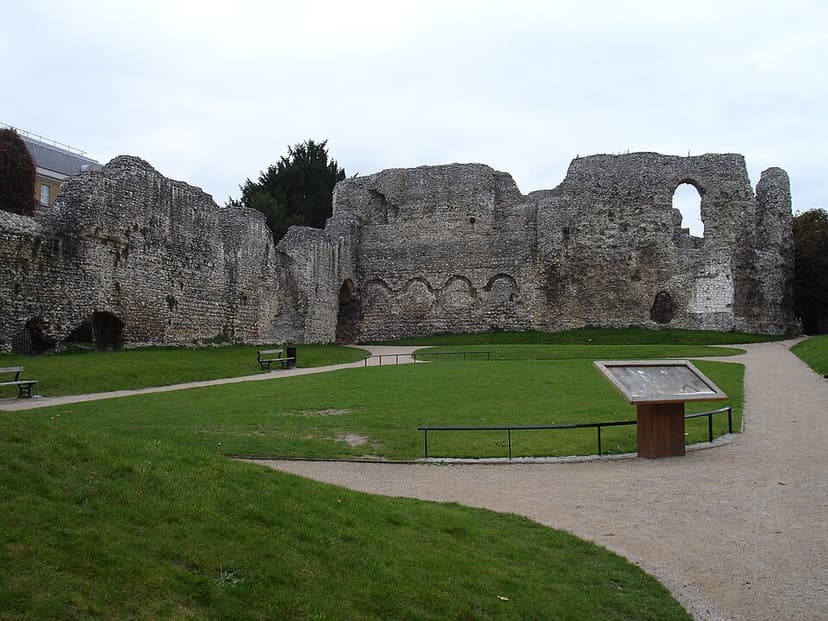
Reading Abbey
Reading Abbey was a large, ruined Benedictine monastery founded by King Henry I in 1121 in Reading, Berkshire, England. It was one of Europe's most significant royal monasteries, holding numerous relics and hosting royal events. Mostly destroyed during the Dissolution of the Monasteries in 1538, its ruins have undergone extensive conservation and reopened to the public in 2018, with parts of the site now occupied by HM Prison Reading.

Wix Priory
Wix Priory was a Benedictine nunnery located in Wix, Essex, England, with a history spanning from its founding in the early 12th century to its dissolution in 1525. While most of its structures have not survived, the priory church remains in existence today as St Mary's Church, Wix.
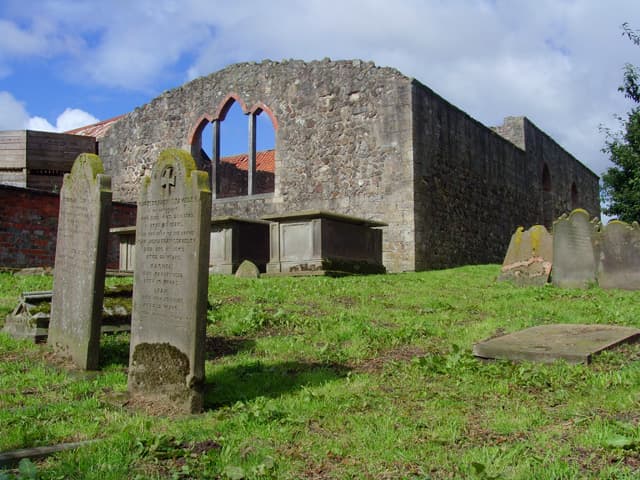
Nunkeeling Priory
Nunkeeling Priory was a Benedictine nunnery founded in 1152 by Agnes de Arches in the East Riding of Yorkshire, England. Dedicated to St. Mary Magdalene and St. Helen, it gained renown, leading to the nearby village of Keeling being renamed Nunkeeling. Despite periods of poverty and disciplinary issues in the 14th century, the priory was refounded in 1537 before its assets were surrendered in 1540 during the Dissolution of the Monasteries.