
Nonneseter Abbey, Bergen
Christian·Norway·Ruins (partially extant as chapel)·12th century
Nonneseter Abbey was a prestigious Cistercian nunnery in Bergen, Norway, first recorded in 1262 and possibly founded around 1150. It was one of the wealthiest convents in Norway and housed a significant number of nuns, including members of the royal family. Following severe devastation by the Black Death and subsequent decline, the abbey's assets were transferred to Munkeliv Abbey, and the premises were eventually converted into a private fortified residence.
Key Facts
- ›Possibly founded around 1150, first recorded by name in 1262.
- ›Belonged to the Cistercian Order, though this was not confirmed until 1494.
- ›Was one of the largest and richest female convents in Norway, with 35 nuns in 1320.
- ›Severely impacted by the Black Death in 1349, leading to a significant decline.
- ›The abbey buildings were converted into a private residence named Lungegården after secularization in 1528.
- ›A small part of the former abbey church remains in use as the Nonneseter Chapel.

Romanesque, Gothic
Nonneseter Chapel, TåRnfoten, Site of Former Nunnery and Abbey Church
Nonneseter Kloster
Cecilia
- Devastated By the Black Death In 1349.
- Assets Transferred To Munkeliv Abbey During the Reign of Christian I .
- Secularized In 1528 and Converted Into A Private Residence.
- Major Fire In 1891 Destroyed Most Remaining Buildings.
About Nonneseter Abbey, Bergen
Nonneseter Abbey, known in Norwegian as Nonneseter kloster, was a significant Cistercian nunnery situated in Bergen, Norway. First documented by name in 1262, it is believed to have been established around 1150 and was dedicated to the Virgin Mary. The abbey held considerable prestige, attracting members of the royal family and functioning as one of Norway's largest and wealthiest female monastic institutions, with 35 nuns recorded in 1320.
History and Decline
The abbey's fortunes were severely impacted by the Black Death in 1349, leading to a subsequent decline throughout the 15th century. By the late 15th century, the convent was largely depopulated, and its assets, income, and lands were transferred to Munkeliv Abbey. The premises were later secularized in 1528 and transformed into a fortified private residence known as Lungegården. A hospital run by the nuns at Nonneseter Abbey, first documented in 1411, is considered a potential precursor to St. Jørgen's Hospital.
Site and Surviving Structures
The abbey was located on a promontory near the Lillestrømmen stream. The original monastic structures were largely destroyed by a fire in 1891. Today, the most prominent surviving elements are the Nonneseter Chapel, believed to have been one of the choir chapels dating from around 1250, and the base of the west tower, known as the Tårnfoten. The chapel, characterized by its vaulted ceiling and Gothic arched windows, has been repurposed for various uses, including concerts and formerly as a church for deaf individuals. The Tårnfoten, a single-story square structure, exhibits Romanesque architectural features that may indicate an older construction predating the Cistercian presence.
Source: Wikipedia ↗
Frequently Asked Questions
When was Nonneseter Abbey founded?
Nonneseter Abbey is first recorded by name in 1262, but historical evidence suggests it was likely founded many years earlier, possibly around 1150. The exact founding date remains uncertain.
What religious order did Nonneseter Abbey belong to?
The nuns of Nonneseter Abbey belonged to the Cistercian Order. While this association is strongly implied by historical context, it was not formally confirmed until as late as 1494.
What was the significance of Nonneseter Abbey in Norway?
Nonneseter Abbey was a highly prestigious and wealthy establishment, ranking among the richest female convents in Norway and even surpassing many male convents in wealth. It also attracted members of the royal family, indicating its high social standing.
What happened to Nonneseter Abbey after the Black Death?
The Black Death in 1349 severely devastated Nonneseter Abbey, leading to a decline in its numbers and resources. By the 15th century, the convent was nearly empty, and its assets were eventually transferred to Munkeliv Abbey.
What remains of Nonneseter Abbey today?
Most of the original monastic buildings were destroyed by a fire in 1891. Today, a small part of the former abbey church survives as the Nonneseter Chapel, and the base of the west tower, known as the Tårnfoten, also remains.
What is the current status of the Nonneseter Chapel?
The Nonneseter Chapel, a remnant of the former abbey church, is still in use. It has served various purposes, including as a chapel for deaf persons and currently functions as a concert hall and for other events.
Related Monasteries

Hovedøya Abbey
Hovedøya Abbey was a significant medieval Cistercian monastery located on the island of Hovedøya in the Oslofjord, Norway. Founded in 1147 by monks from England, it quickly became one of the wealthiest institutions in Norway during the medieval period. The abbey's existence was brought to an end by political turmoil and the Reformation, with its buildings later quarried for stone, leaving behind some of the most complete monastic ruins in Norway.
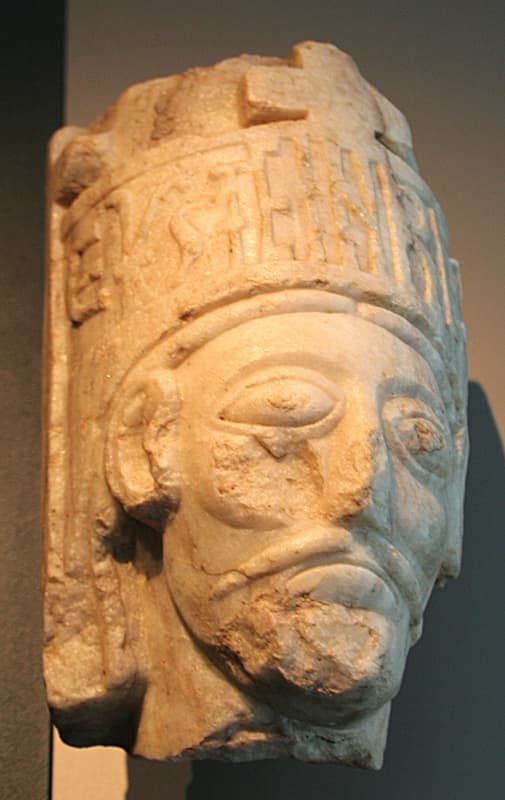
Munkeliv Abbey
Munkeliv Abbey was a prominent Benedictine monastery founded around 1110 in Bergen, Norway. It was one of the country's oldest, wealthiest, and most well-documented monastic institutions. Despite facing significant challenges from plague and pirate attacks, the abbey underwent transformations, including a period as a Bridgettine double house, before its final destruction by fire in 1536 during the Protestant Reformation.

Selje Abbey
Selje Abbey was a Benedictine monastery established around 1100 on the island of Selja, Norway. It was founded in the context of the legend of Saint Sunniva and served as an important Christian pilgrimage site and former bishopric seat. Despite an early period of prosperity, a major fire in 1305 significantly impacted its viability, leading to its eventual decline and dissolution by the late 15th century.