
Munkeliv Abbey
Munkeliv Abbey was a prominent Benedictine monastery founded around 1110 in Bergen, Norway. It was one of the country's oldest, wealthiest, and most well-documented monastic institutions. Despite facing significant challenges from plague and pirate attacks, the abbey underwent transformations, including a period as a Bridgettine double house, before its final destruction by fire in 1536 during the Protestant Reformation.
Key Facts
- ›Founded as a Benedictine abbey by King Eystein I of Norway around 1110.
- ›Strategically located on Nordnes hill overlooking the town of Bergen.
- ›Suffered damage from Black Death, pirate attacks (Victual Brothers), and fire.
- ›Taken over by Bridgettines in the 1420s, functioning as a double house for monks and nuns.
- ›Destroyed by fire in 1536 during the Protestant Reformation.
- ›No visible remains exist today; archaeological excavations have recovered significant artifacts.
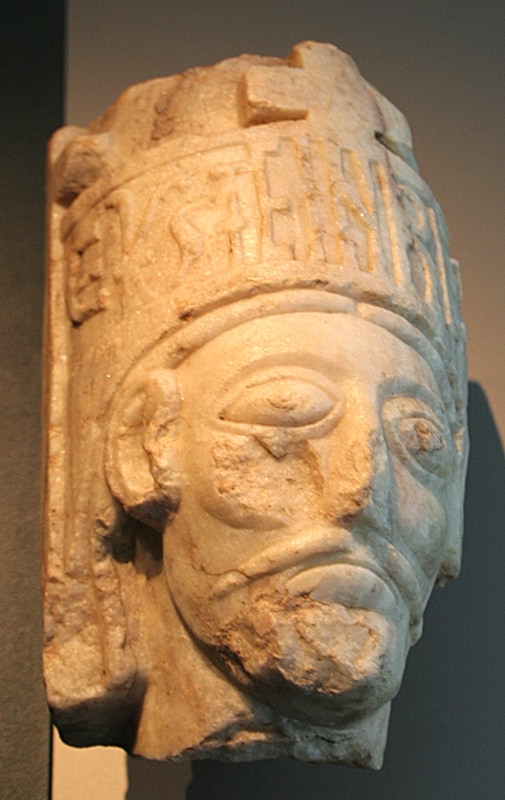
Monks' Herb Garden, Marble Head of King Eystein I
Munkeliv Kloster
King Eystein I of Norway, Olav Nilsson, Leif Thor Olafsson
- Founded By King Eystein I
- Attacked By Pirates In 1393
- Damaged By Fire In 1455 During An Attack By Hanseatic Merchants
- Suppressed During the Protestant Reformation
About Munkeliv Abbey
What is Munkeliv Abbey?
Munkeliv Abbey, also known as Munkeliv kloster, was a significant Benedictine monastery established around 1110 in Bergen, Norway. Perched on the strategic Nordnes hill, it played a role in the development of the newly founded town and became one of Norway's oldest, wealthiest, and most thoroughly documented religious institutions. Its history is marked by periods of prosperity interspersed with significant challenges.
History and Transformations
The abbey's early centuries were prosperous. However, the mid-14th century brought the devastating Black Death, leading to a decline. Further damage occurred in 1393 when pirates known as the Victual Brothers attacked the monastery. Despite these setbacks, its wealth allowed for survival. In the 1420s, with papal approval, the Bridgettines took over the abbey, operating it as a double house for both monks and nuns. This period was turbulent; the abbey suffered another destructive fire in 1455 during an attack by Hanseatic merchants. The occupants were forced to seek refuge at Hovedøya Abbey in Oslo during the 1460s. The Cistercian Order later reconstructed the monastery, and the Bridgettines reoccupied it in 1480.
Final Destruction and Legacy
Munkeliv Abbey met its end during the Protestant Reformation. The Bishop of Bergen repurposed the site for his residence and used the church as the cathedral of Bergen. The entire complex was ultimately destroyed by fire in 1536. While no structures remain standing today, archaeological excavations in the 19th century uncovered valuable structural fragments, including a renowned marble head of King Eystein I, which are now housed in the Museum of Cultural History in Bergen. The monks' former herb garden also saw continued use for medicinal plants for a time.
Source: Wikipedia ↗
Frequently Asked Questions
When was Munkeliv Abbey founded?
Munkeliv Abbey was founded as a Benedictine abbey around 1110 by King Eystein I of Norway.
What happened to Munkeliv Abbey?
The abbey was destroyed by fire in 1536 during the Protestant Reformation. Prior to that, it had faced decline due to the Black Death, pirate attacks, and internal disturbances.
Are there any visible remains of Munkeliv Abbey today?
No visible remains of Munkeliv Abbey are present today. The site is now an open space known as 'the Monastery' (Klosteret) at Nordnes.
What religious orders occupied Munkeliv Abbey?
Munkeliv Abbey was initially founded as a Benedictine abbey. In the 1420s, it was taken over by the Bridgettines, and later reconstructed by the Cistercian Order before being reoccupied by the Bridgettines.
What significant artifacts were found at the Munkeliv Abbey site?
Excavations at the Munkeliv Abbey site in the mid-19th century recovered well-crafted structural fragments. Notably, a marble head of King Eystein I, believed to be the oldest known portrait of a Norwegian, was discovered.
Related Monasteries

Hovedøya Abbey
Hovedøya Abbey was a significant medieval Cistercian monastery located on the island of Hovedøya in the Oslofjord, Norway. Founded in 1147 by monks from England, it quickly became one of the wealthiest institutions in Norway during the medieval period. The abbey's existence was brought to an end by political turmoil and the Reformation, with its buildings later quarried for stone, leaving behind some of the most complete monastic ruins in Norway.

Selje Abbey
Selje Abbey was a Benedictine monastery established around 1100 on the island of Selja, Norway. It was founded in the context of the legend of Saint Sunniva and served as an important Christian pilgrimage site and former bishopric seat. Despite an early period of prosperity, a major fire in 1305 significantly impacted its viability, leading to its eventual decline and dissolution by the late 15th century.

St. Olav's Abbey, Tønsberg
St. Olav's Abbey, Tønsberg was a Premonstratensian monastery founded in the latter half of the 12th century in Tønsberg, Norway. It was a wealthy and influential establishment dedicated to Saint Olav, known for its exceptionally rare round church, the only one of its kind in the province and one of the largest in Scandinavia. The monastery was secularized in 1532 during the Reformation, and its buildings were subsequently damaged by fire.