
Hovedøya Abbey
Hovedøya Abbey was a significant medieval Cistercian monastery located on the island of Hovedøya in the Oslofjord, Norway. Founded in 1147 by monks from England, it quickly became one of the wealthiest institutions in Norway during the medieval period. The abbey's existence was brought to an end by political turmoil and the Reformation, with its buildings later quarried for stone, leaving behind some of the most complete monastic ruins in Norway.
Key Facts
- ›Founded on May 18, 1147, by monks from Kirkstead Abbey, England.
- ›Dedicated to the Blessed Virgin Mary and Saint Edmund.
- ›Once one of the richest institutions in medieval Norway, owning over 400 properties.
- ›Its church was built in Romanesque style, while the rest of the monastery was likely Gothic.
- ›Destroyed by fire in April 1532 and later quarried for stone.
- ›The ruins are among the most complete of a medieval Norwegian monastery.

Romanesque, Gothic
Romanesque Church, Modified Cistercian Building Plan, Extensive Property Holdings, Excavated Ruins
HovedøYa Kloster
Christian Ii
Founding of the Monastery, Abbot Imprisoned For Supporting Christian Ii, Monastery Burned, Reformation In Denmark-Norway
About Hovedøya Abbey
Hovedøya Abbey, also known as Hovedøya kloster, was a prominent medieval Cistercian monastery situated on the island of Hovedøya in the Oslofjord, near Oslo, Norway. Its establishment on May 18, 1147, marked the beginning of a significant religious and economic presence in the region. Founded by monks from Kirkstead Abbey in England, the monastery was dedicated to the Blessed Virgin Mary and Saint Edmund. The existing church on the island was adapted as the abbey church, built in the Romanesque style, while the rest of the monastic complex likely followed Gothic architectural principles, adapted to the island's topography.
During its medieval heyday, Hovedøya Abbey flourished to become one of the wealthiest institutions in Norway. Its holdings extended to over 400 properties, demonstrating considerable economic power through ventures like a fishery and timber yards. This prosperity, however, was not to last. Political instability surrounding the succession to the throne of Denmark-Norway led to the abbey's decline.
The end of Hovedøya Abbey was precipitated by turmoil in 1532. The abbot, who had supported the former king Christian II, was imprisoned for his loyalty. Shortly thereafter, the monastery was set ablaze by a Danish rescue expedition. Any lingering hopes for the restoration of the abbey were extinguished four years later when the Reformation swept through Denmark-Norway, fundamentally altering the religious landscape. Following its destruction, the site was quarried for stone to construct Akershus Fortress. Despite the devastation, the remaining ruins are recognized as some of the most complete remnants of a medieval Norwegian monastery, with significant archaeological excavations conducted between 1930 and 1938.
Source: Wikipedia ↗
Frequently Asked Questions
When was Hovedøya Abbey founded?
Hovedøya Abbey was founded on May 18, 1147. It was established by monks from Kirkstead Abbey in England.
What religious order was Hovedøya Abbey part of?
Hovedøya Abbey was a Cistercian monastery. The monks followed the Cistercian way of life and building plans, albeit modified for the local terrain.
What happened to Hovedøya Abbey?
The abbey was burned down in April 1532 during political turmoil. Any remaining hope for its restoration was lost with the spread of the Reformation. The site was subsequently used as a quarry for stone for Akershus Fortress.
Are there any remains of Hovedøya Abbey today?
Yes, the ruins of Hovedøya Abbey are among the most complete of a medieval Norwegian monastery still existing. Excavations were conducted on the site between 1930 and 1938.
How wealthy was Hovedøya Abbey during its existence?
During the medieval period, Hovedøya Abbey was one of the wealthiest institutions in Norway. It held over 400 properties, which included a fishery and timber yards.
Related Monasteries
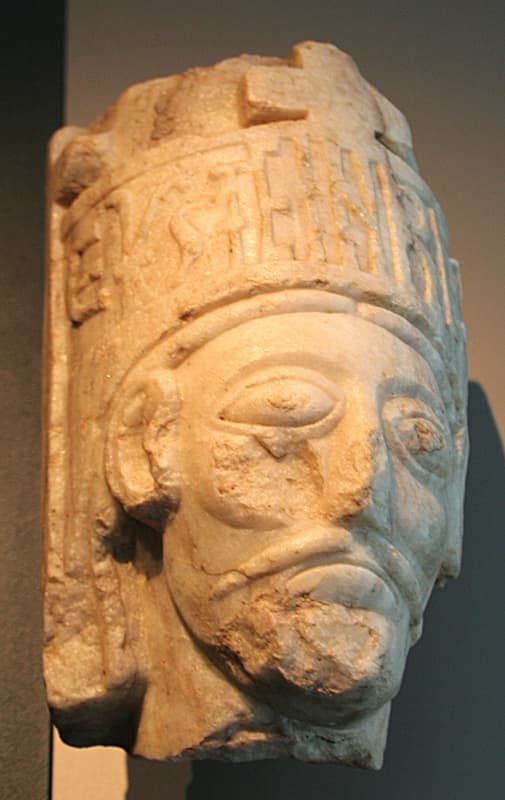
Munkeliv Abbey
Munkeliv Abbey was a prominent Benedictine monastery founded around 1110 in Bergen, Norway. It was one of the country's oldest, wealthiest, and most well-documented monastic institutions. Despite facing significant challenges from plague and pirate attacks, the abbey underwent transformations, including a period as a Bridgettine double house, before its final destruction by fire in 1536 during the Protestant Reformation.

Selje Abbey
Selje Abbey was a Benedictine monastery established around 1100 on the island of Selja, Norway. It was founded in the context of the legend of Saint Sunniva and served as an important Christian pilgrimage site and former bishopric seat. Despite an early period of prosperity, a major fire in 1305 significantly impacted its viability, leading to its eventual decline and dissolution by the late 15th century.

St. Olav's Abbey, Tønsberg
St. Olav's Abbey, Tønsberg was a Premonstratensian monastery founded in the latter half of the 12th century in Tønsberg, Norway. It was a wealthy and influential establishment dedicated to Saint Olav, known for its exceptionally rare round church, the only one of its kind in the province and one of the largest in Scandinavia. The monastery was secularized in 1532 during the Reformation, and its buildings were subsequently damaged by fire.