
Selje Abbey
Selje Abbey was a Benedictine monastery established around 1100 on the island of Selja, Norway. It was founded in the context of the legend of Saint Sunniva and served as an important Christian pilgrimage site and former bishopric seat. Despite an early period of prosperity, a major fire in 1305 significantly impacted its viability, leading to its eventual decline and dissolution by the late 15th century.
Key Facts
- ›Founded around the year 1100 as a Benedictine monastery.
- ›Located on the island of Selja, an important pilgrimage site associated with Saint Sunniva.
- ›The island was also the seat of a bishopric and a cathedral dedicated to Saint Michael.
- ›Suffered a significant fire in 1305 from which it did not fully recover.
- ›The monastery's community may have been wiped out by the Black Death in 1349.
- ›Dissolved by the late 15th century when the Bishop of Bergen took over its estates.

- Ruins of the Abbey
- Shrine of Saint Sunniva
- Remains of the Cathedral Dedicated To Saint Michael
Selja Kloster
Saint Sunniva
Fire of 1305, Black Death
About Selje Abbey
Selje Abbey (Norwegian: Selja kloster) was a Benedictine monastery situated on the island of Selja, off the coast of Stad Municipality in Vestland county, Norway. Its foundation around the year 1100 marked a significant development in the Christian history of the region, particularly in connection with the legend of Saint Sunniva. The island itself held considerable religious importance prior to the abbey's establishment, serving as the location of the original shrine to Saint Sunniva and formerly as the seat of a bishopric with a cathedral dedicated to Saint Michael.
History and Significance
The establishment of the Benedictine monastery was closely tied to the veneration of Saint Sunniva, the patron saint of the ancient Diocese of Bergen. According to legend, Sunniva, an Irish royal heir fleeing a pagan king, found refuge and ultimately died on Selja. The island's status as a pilgrimage destination and its former role as a bishopric likely influenced the decision to found a monastery there, with a strong connection maintained between the abbey and the bishopric throughout its existence. While the bishop later relocated to Bergen, the shrine of Saint Sunniva remained on Selja until around 1170.
For its first two centuries, Selje Abbey flourished as a vital religious and cultural hub, benefiting from its strategic location between Bergen and Nidaros, making it a natural stopping point for travelers. However, the abbey suffered a severe setback from a devastating fire in 1305, from which it never fully recovered. The extent of its rebuilding is unclear, and historical records suggest that the remaining monastic community may have been decimated by the Black Death in 1349. If any monastic presence persisted, it was finally brought to an end between 1461 and 1474 under Bishop Finnboge of Bergen, who dissolved the abbey and incorporated its estates into the See of Bergen.
Site and Legacy
Today, Selje Abbey exists as extensive and remarkably well-preserved ruins. The lack of subsequent habitation on the island has ensured the survival of the abbey's remnants, along with the shrine of Saint Sunniva and the former cathedral. These ruins have been a source of inspiration for artists, such as Bernt Tunold, who spent significant periods of his life on the island and frequently depicted the monastery's picturesque decay.
Source: Wikipedia ↗
Frequently Asked Questions
When was Selje Abbey founded?
Selje Abbey was founded around the year 1100. Its establishment is linked to the legend of Saint Sunniva and the island's importance as a Christian site.
What is the historical significance of Selje Abbey?
Selje Abbey was an important center during its early centuries, situated strategically between Bergen and Nidaros. It played a role in the cult of Saint Sunniva and was connected to the local bishopric.
What led to the decline of Selje Abbey?
A disastrous fire in 1305 dealt a significant blow to the abbey from which it never fully recovered. Later, the Black Death in 1349 may have further decimated its community.
What is the current status of Selje Abbey?
Today, Selje Abbey exists as ruins. Due to a lack of later habitation, these ruins, along with the shrine of Saint Sunniva and the former cathedral, are extensive and well-preserved.
Why was the island of Selja important before the abbey?
Before the abbey's foundation, the island of Selja was already a significant Christian site. It housed the original shrine of Saint Sunniva and was the location of a bishopric and a cathedral.
Related Monasteries

Hovedøya Abbey
Hovedøya Abbey was a significant medieval Cistercian monastery located on the island of Hovedøya in the Oslofjord, Norway. Founded in 1147 by monks from England, it quickly became one of the wealthiest institutions in Norway during the medieval period. The abbey's existence was brought to an end by political turmoil and the Reformation, with its buildings later quarried for stone, leaving behind some of the most complete monastic ruins in Norway.
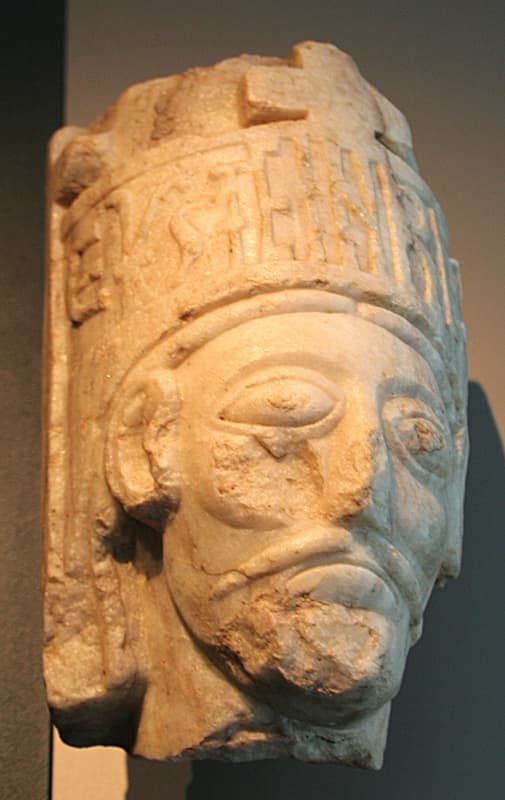
Munkeliv Abbey
Munkeliv Abbey was a prominent Benedictine monastery founded around 1110 in Bergen, Norway. It was one of the country's oldest, wealthiest, and most well-documented monastic institutions. Despite facing significant challenges from plague and pirate attacks, the abbey underwent transformations, including a period as a Bridgettine double house, before its final destruction by fire in 1536 during the Protestant Reformation.

St. Olav's Abbey, Tønsberg
St. Olav's Abbey, Tønsberg was a Premonstratensian monastery founded in the latter half of the 12th century in Tønsberg, Norway. It was a wealthy and influential establishment dedicated to Saint Olav, known for its exceptionally rare round church, the only one of its kind in the province and one of the largest in Scandinavia. The monastery was secularized in 1532 during the Reformation, and its buildings were subsequently damaged by fire.