
Nikolo-Korelsky Monastery
Russian Orthodox·Russia·Active for shipbuilding purposes, monastic community abolished·15th century
The Nikolo-Korelsky Monastery is a historic Russian Orthodox monastery located in Severodvinsk, Russia. Founded by St. Euphemius, it has a complex history marked by destruction and revival, notably its restoration in 1471 at the urging of Marfa Boretskaya. The monastery played a significant role in trade due to its favorable harbor, attracting English sailors in the 16th century, and its main church was dedicated to Saint Nicholas, the patron saint of sailors.
Key Facts
- ›Founded by St. Euphemius, an Orthodox missionary.
- ›Restored in 1471 after being burnt down by Swedes in 1419.
- ›English sailors, including Richard Chancellor, visited in 1553 and noted a community of 'sailors in soutanes'.
- ›The main church was dedicated to Saint Nicholas, leading to the White Sea being known as 'St. Nicholas Bay'.
- ›Flourished due to trade facilitated by the Muscovy Company.
- ›Its 17th-century buildings were adapted for shipbuilding after the monastery's abolition post-Revolution.
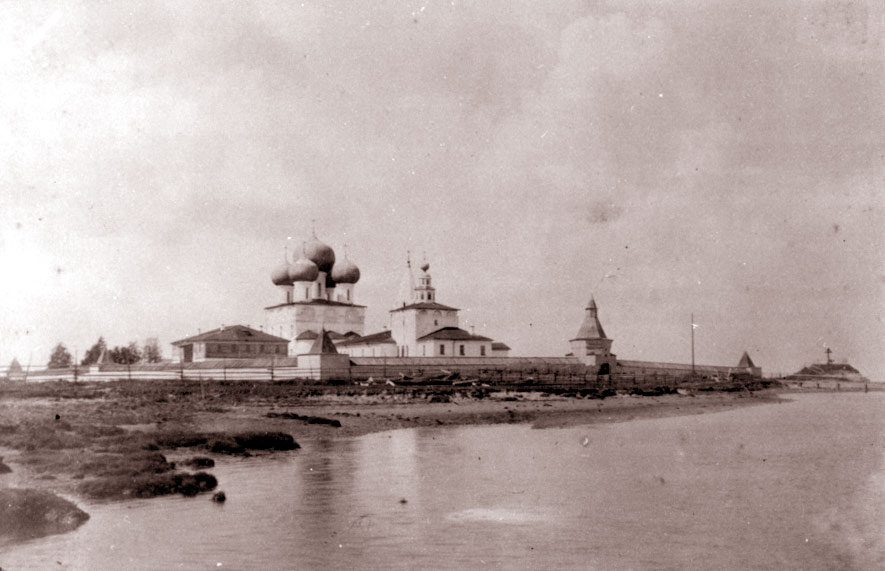
Traditional Russian Wooden Architecture
- Pier Large Enough To Accommodate Several Ships
- Main Church Dedicated To Saint Nicholas
- Extant 17th-Century Buildings Adapted For Shipbuilding
- A Preserved Wooden Tower
николо-корельский монастырь
St. Euphemius, Marfa Boretskaya, Richard Chancellor, John Tradescant the Elder
- Burnt Down By Swedes
- Restored After the Deaths of Marfa Boretskaya's Sons
- Visited By Richard Chancellor's Expedition
- Captured and Looted By Polish-Lithuanian Forces
- Abolished After the Revolution
About Nikolo-Korelsky Monastery
The Nikolo-Korelsky Monastery is a historical Russian Orthodox monastery located in Severodvinsk, Russia. It is believed to have been founded by St. Euphemius, an Orthodox missionary active in the Karelian lands.
History and Significance
The monastery's early history was marked by destruction; it was burnt down by Swedes in 1419 and lay in ruins until 1471. Its revival was spurred by Marfa Boretskaya, who had her sons' bodies recovered on the nearby beach after a severe storm and buried at the site, leading to the monastery's restoration. In 1553, English sailors, including Richard Chancellor, visited the monastery and were impressed by its community of 'sailors in soutanes' and its substantial pier.
The monastery's strategic location on the White Sea contributed to its prosperity, particularly after the establishment of the Muscovy Company, as much of their trade passed through the local harbor. This led to the White Sea being referred to as 'St. Nicholas Bay' on 16th-century English maps, a testament to the monastery's dedication to Saint Nicholas, the patron saint of sailors.
Despite periods of prosperity, the monastery also faced adversity. In late 1613, it was captured and looted by Polish-Lithuanian forces known as the Lisowczycy. The extant buildings of the monastery, including the five-domed cathedral of St. Nicholas (built 1670–74) and the preceding Assumption church (1664–67), were constructed towards the end of the Muscovite period. Timber walls and towers were also added several decades later, with one well-preserved tower later moved to Kolomenskoe, Moscow.
Post-Revolution Era
Following the Russian Revolution, the Nikolo-Korelsky Monastery was abolished. Its 17th-century structures have since been adapted and continue to be utilized for shipbuilding purposes.
Source: Wikipedia ↗
Frequently Asked Questions
When was the Nikolo-Korelsky Monastery founded?
The monastery is believed to have been founded by St. Euphemius, an Orthodox missionary, though the exact founding date is not specified. It was rebuilt in 1471 after an earlier destruction.
What is the significance of Saint Nicholas to the monastery?
The main church of the Nikolo-Korelsky Monastery was dedicated to Saint Nicholas, who is the patron saint of sailors. This dedication contributed to the White Sea being known as 'St. Nicholas Bay' on 16th-century English maps.
What happened to the monastery after the Russian Revolution?
After the Revolution, the Nikolo-Korelsky Monastery was abolished. Its 17th-century buildings were subsequently adapted and are still in use for shipbuilding purposes.
Were there any notable visitors to the monastery?
Yes, in 1553, English sailors led by Richard Chancellor visited the monastery and were surprised by its community and harbor facilities. John Tradescant the elder also visited in 1618.
Related Monasteries

Alexander-Svirsky Monastery
The Alexander-Svirsky Monastery, founded in 1487, is a significant Russian Orthodox monastery located in the Leningrad Oblast. It gained prominence in the 17th century and is known for its unique architectural features, including a preserved three-tented belfry and medieval clock tower. Despite periods of destruction and secularization, the monastery has undergone restoration and continues to be a site of religious and historical importance.
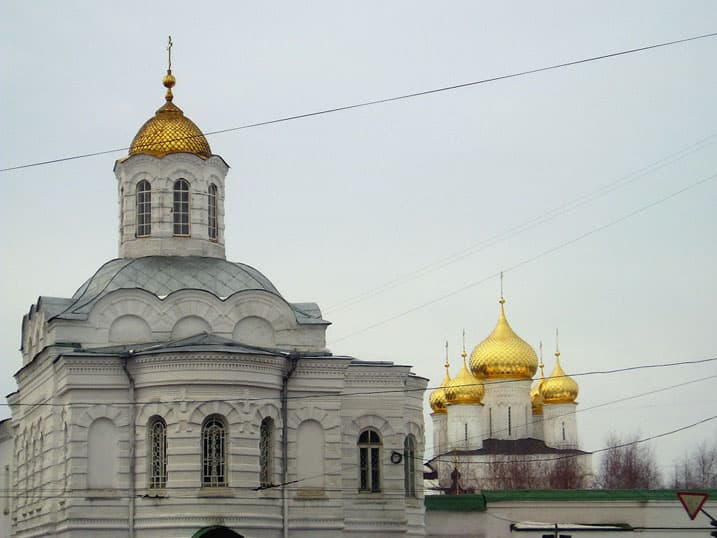
Bogoyavlensky Monastery (Kostroma)
Bogoyavlensky Convent, located in Kostroma, is a prominent Russian Orthodox convent renowned for housing the ancient Feodorovskaya Icon of the Mother of God. Originally founded as a monastery in the 15th century, it underwent significant construction and stylistic changes throughout its history, including a major rebuilding in the Russian Revival style in the late 19th century, after which it became a convent. Despite abolishment after the October Revolution, it was revived in the 1990s.

Krypetsky Monastery
Krypetsky Monastery is a Russian Orthodox monastery located near Pskov, founded in 1485 by Saint Savva Krypetsky. Initially established in a difficult marshland, it received support from the Pskov veche and later saw expansion and improvements. Despite periods of disrepair and closure by the Bolsheviks in 1918, the monastery was revived and restituted to the Russian Orthodox Church in 1991.