
Moštanica Monastery
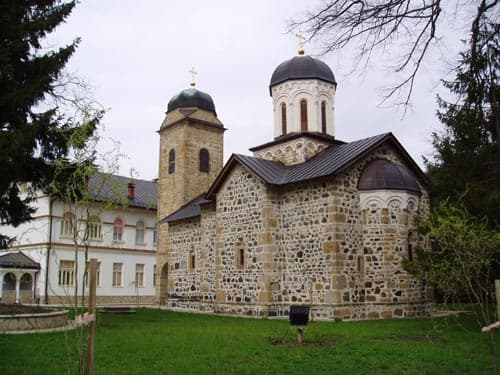
Moštanica Monastery is a Serbian Orthodox female monastery situated in the Kozara mountain region of Bosnia and Herzegovina, dedicated to Archangel Michael. Founded in the early 16th century, it has endured significant destruction throughout its history, being rebuilt seven times between 1556 and 1993. The monastery is recognized as a protected cultural heritage monument and is ecclesiastically part of the Eparchy of Banja Luka.
Key Facts
- ›Founded in the early 16th century.
- ›Dedicated to Archangel Michael.
- ›Located in a valley of the Kozara mountain and Moštanica river.
- ›Destroyed and rebuilt seven times between 1556 and 1993.
- ›Recognized as a protected cultural heritage monument by law.
- ›Founded the Komogovina Monastery in 1693.

Protected Cultural Heritage Monument
моштаница
- Monks Founded Komogovina Monastery In 1693.
- Site of Ustashe Crimes Against Serbs During World War Ii.
About Moštanica Monastery
Moštanica Monastery is a Serbian Orthodox female monastery located in a picturesque valley formed by the Kozara mountain and the Moštanica river, situated approximately 20 kilometers from Kozarska Dubica in Bosnia and Herzegovina. The monastery is dedicated to Archangel Michael and holds significant recognition as a cultural heritage monument, protected by law.
History and Significance
While tradition suggests its founding in the Middle Ages, Moštanica Monastery was constructed in the early 16th century. Its history is marked by resilience and repeated challenges, with accounts detailing its destruction and subsequent rebuilding seven times between 1556 and 1993. This enduring spirit underscores its importance within the religious landscape of the region. In 1693, the monks of Moštanica played a role in the establishment of the Komogovina Monastery. Tragically, during World War II, the monastery became a site of atrocities committed by the Ustashe, the Croatian fascist regime, against Serbs.
Religious Affiliation and Status
Ecclesiastically, Moštanica Monastery falls under the Eparchy of Banja Luka. Despite the numerous historical challenges and periods of destruction, it continues to function as an active monastic community and is recognized for its historical and cultural value.
Source: Wikipedia ↗
Frequently Asked Questions
When was Moštanica Monastery founded?
According to tradition, it was founded in the Middle Ages, but historical records indicate it was built in the early 16th century.
What is Moštanica Monastery dedicated to?
The monastery is dedicated to Archangel Michael.
Where is Moštanica Monastery located?
It is situated in a valley of the Kozara mountain and Moštanica river, approximately 20km from Kozarska Dubica in Bosnia and Herzegovina.
Has Moštanica Monastery always been preserved?
No, the monastery has a history of destruction. Between 1556 and 1993, it was destroyed seven times and subsequently rebuilt.
Is Moštanica Monastery a protected site?
Yes, Moštanica Monastery is protected by law as a cultural heritage monument.
Related Monasteries

Gomionica Monastery
Gomionica Monastery is a Serbian Orthodox monastery dedicated to the Presentation of Mary, situated in Kmećani, Bosnia and Herzegovina. It serves as the spiritual heart of the Zmijanje region and boasts a history dating back to before 1536. The monastery has undergone numerous refurbishments and endured significant damage during World War II, but remains a cultural monument with a rich treasury of icons and manuscripts.
Ozren Monastery
Ozren Monastery is a Serbian Orthodox monastery dedicated to Saint Nicholas, located near Petrovo in Bosnia and Herzegovina. While folk tradition attributes its founding to King Dragutin in the late 13th century, historical evidence suggests it was likely established in the latter half of the 16th century. It serves as the spiritual center for the Mount Ozren region and houses 17th-century frescoes and notable icons, including a Pietà by Emmanuel Lambardos.

Žitomislić Monastery
Žitomislić Monastery is a Serbian Orthodox monastery located near Mostar, Bosnia and Herzegovina, dedicated to the Annunciation. Founded in 1556 by the Miloradović-Hrabren family on the ruins of an older church, it developed into a significant religious and cultural center with a renowned scriptorium and substantial landholdings. Despite periods of destruction and reconstruction, including severe damage during World War II and the Bosnian War, the monastery has been meticulously rebuilt and continues to function as an active monastic community.