
Mindrolling
Tibetan Buddhism·China·Active (reconstruction in Tibet, active branch in India)·17th century
Mindrolling Monastery is one of the "Six Mother Monasteries" of the Nyingma school of Tibetan Buddhism, founded in 1676 by Rigzin Terdak Lingpa. Known for its emphasis on Buddhist scriptures, astronomy, and traditional Tibetan medicine, it served as a significant training center for scholars and yogis for nearly 300 years. While the original Tibetan monastery faced damage and ongoing reconstruction, a new branch was re-established in India in 1965, which now houses the Ngagyur Nyingma College, a prominent Buddhist institute.
Key Facts
- ›Founded in 1676 by Rigzin Terdak Lingpa.
- ›One of the 'six Mother Monasteries' of the Nyingma school.
- ›Heavily damaged in 1718 by Dzungar Mongols and rebuilt during the Seventh Dalai Lama's reign.
- ›Historically trained monks in Buddhist scriptures, astronomy, Tibetan lunar calendar, calligraphy, rhetoric, and Traditional Tibetan medicine.
- ›A new Mindrolling Monastery was re-established in Dehradun, India in 1965.
- ›The Indian branch includes the Ngagyur Nyingma College, a large Buddhist institute.
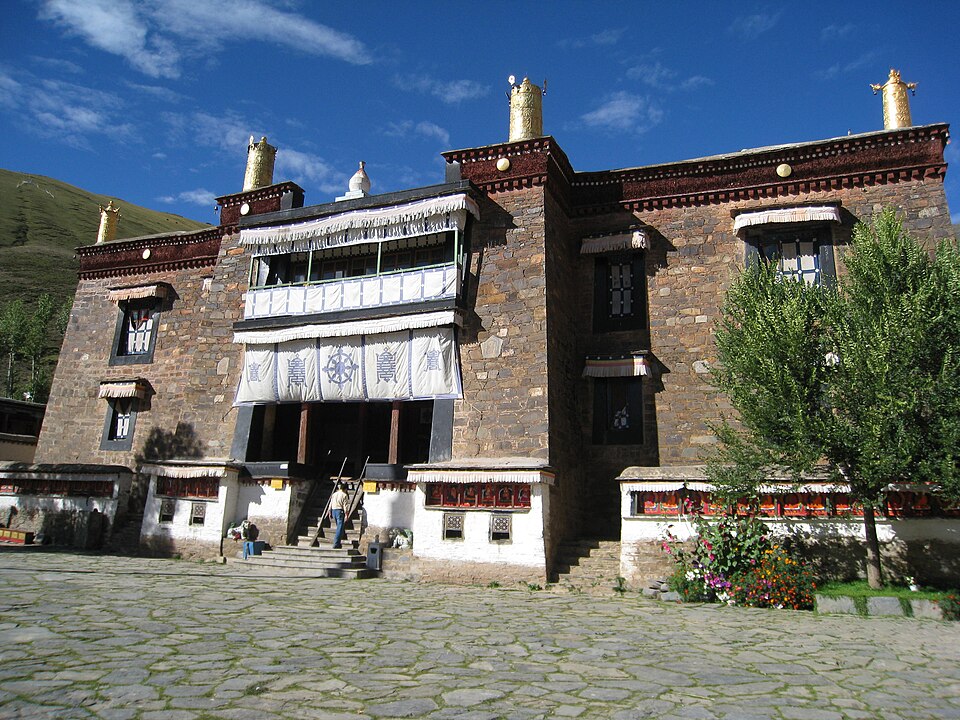
- Ngagyur Nyingma College
- Stupa of the Buddha's Descent From the God Realms
Sublime Island of Ripening Liberation
Rigzin Terdak Lingpa, Dungsay Rinchen-Namgyel, Jetsunma Mingyur Paldron, Khochhen Rinpoche, Mindrolling Trichen Rinpoche
- Founded In 1676.
- Damaged By Dzungar Mongols In 1718.
- Rebuilt During the Reign of the Seventh Dalai Lama.
- Suffered Damage During the 1959 Revolt Against Chinese Communist Rule.
- Re-Established In India In 1965.
About Mindrolling
Mindrolling Monastery
Mindrolling Monastery holds a significant place within the Nyingma school of Tibetan Buddhism, recognized as one of its "Six Mother Monasteries." Founded in 1676 by the esteemed master Rigzin Terdak Lingpa, the monastery's Tibetan name, "Mindrolling," translates to "Place of Perfect Emancipation" or "Sublime Island of Ripening Liberation," underscoring its profound spiritual purpose.
History and Significance
The monastery's history is marked by periods of both flourishing and adversity. It was established in the region of U-Tsang in Tibet, situated in Zhanang County, Shannan Prefecture. For nearly three centuries, Mindrolling served as a vital monastic university, attracting and training Nyingma scholars and yogis from across Tibet. Its curriculum was comprehensive, emphasizing the study of Buddhist scriptures, astronomy, the Tibetan lunar calendar, calligraphy, rhetoric, and Traditional Tibetan medicine. Monks diligently studied thirteen major sutra and tantra texts, drawing particularly from the terma (hidden treasures) lineages of Rigzin Terdak Lingpa. At its zenith, Mindrolling commanded over one hundred satellite monasteries, and its throne holder was regarded with immense reverence throughout Tibet.
Mindrolling faced significant challenges, including heavy damage in 1718 at the hands of the Dzungar Mongols. It was subsequently rebuilt during the reign of the Seventh Dalai Lama, with the reconstruction efforts overseen by Terdak Lingpa's children, Dungsay Rinchen-namgyel and Jetsunma Mingyur Paldron. The monastery continued its scholarly traditions until the 1959 revolt against Chinese Communist rule in Central Tibet. While approximately 300 monks resided there at the time of the revolt, the monastery sustained further damage to its buildings in the years that followed, though this was reportedly less severe than at some other monastic institutions. Reconstruction efforts are ongoing at the original site in Tibet.
Mindrolling in India
In response to the changing circumstances in Tibet, a significant effort to preserve and re-establish Mindrolling began in 1965. Khochhen Rinpoche, along with a small group of monks, initiated the process of rebuilding the monastery near Clement Town in Dehradun, Uttarakhand, India. This new establishment has become a thriving center of Nyingma learning and practice. It is home to the Ngagyur Nyingma College, which is recognized as one of the largest Buddhist institutes in India, offering extensive nine-year courses in Sutra and Tantra to approximately one hundred monks. The college has produced numerous khenpos and tulkus who have contributed to spreading Buddhist teachings globally. Notable structures at the Indian Mindrolling include a 190-foot-high Stupa of the Buddha's Descent from the God Realms, inaugurated in 2002, and dedicated to world peace. Further branches and related institutions have also been established by Rinpoche in other parts of India, as well as in Taiwan and Sikkim, extending the reach of the Mindrolling lineage.
Source: Wikipedia ↗
Frequently Asked Questions
When was Mindrolling Monastery founded?
Mindrolling Monastery was founded in 1676 by Rigzin Terdak Lingpa. This established it as one of the significant "Six Mother Monasteries" of the Nyingma school in Tibet.
What is the meaning of the name "Mindrolling"?
The name "Mindrolling" translates from Tibetan as "Place of Perfect Emancipation" or "Sublime Island of Ripening Liberation." This name reflects its spiritual significance within the Nyingma tradition.
What historical events significantly impacted Mindrolling Monastery?
The monastery was heavily damaged in 1718 by the Dzungar Mongols. It later underwent reconstruction during the reign of the Seventh Dalai Lama. Following the 1959 revolt against Chinese Communist rule, the monastery in Tibet suffered further damage, though less severe than some others, and is currently undergoing reconstruction.
What subjects were traditionally studied at Mindrolling?
Monks at Mindrolling traditionally studied Buddhist scriptures, astronomy, the Tibetan lunar calendar, calligraphy, rhetoric, and Traditional Tibetan medicine. They focused on the thirteen major sutra and tantra texts of the Nyingma school.
Is there a Mindrolling Monastery outside of Tibet?
Yes, a new Mindrolling Monastery was re-established in India in 1965, near Clement Town in Dehradun, Uttarakhand. This Indian branch now houses the Ngagyur Nyingma College, one of the largest Buddhist institutes in India.
What is the current status of the original Mindrolling Monastery in Tibet?
The original Mindrolling Monastery in Tibet suffered damage after the 1959 revolt and is currently in a state of reconstruction. While it is still being rebuilt, its spiritual lineage continues through its branches.
Related Monasteries

Dzogchen
Dzogchen Monastery is a significant "Mother Monastery" of the Nyingma tradition of Tibetan Buddhism, historically located in Kham and re-established in South India. Founded in 1684 by Pema Rigdzin, it became renowned for its Sri Singha Shedra and was once the largest Nyingma monastery, housing thousands of monks and numerous branches. Despite significant destruction in the 20th century, it has been rebuilt in both Tibet and India, continuing its role as a major center for Buddhist teachings and practice.

Palyul
Palyul Monastery, officially known as Palyul Namgyal Jangchub Choling Monastery, is a prominent "Six Mother Monasteries" of the Nyingma tradition within Tibetan Buddhism. Founded in 1665 by Rigzin Kunzang Sherab, it is situated in Pelyul, Baiyü County, Garzê Tibetan Autonomous Prefecture, Sichuan province, China. The monastery serves as the seat for the Nam Chö Terma lineage and has had significant lineage holders, including Drubwang Padma Norbu (Penor Rinpoche), the 11th throneholder, and his successor, Karma Kuchen Rinpoche.
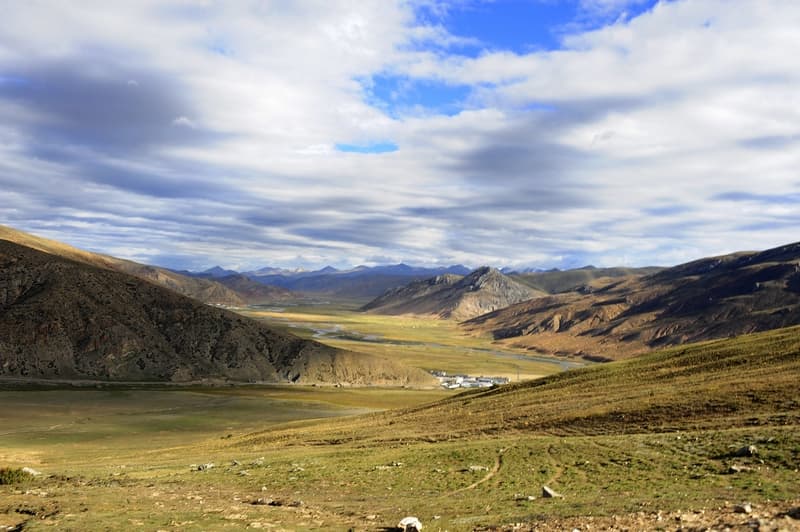
Pomda Monastery
Pomda Monastery is a significant lamasery located in the village of Bamda, Baxoi County, Tibet. Originally established approximately 360 years ago, it suffered destruction in 1959 but was successfully rebuilt between 1984 and 1988. The monastery is currently home to 90 monks and features an entrance hallway adorned with murals illustrating monastic dress codes.