
Pomda Monastery
Pomda Monastery is a significant lamasery located in the village of Bamda, Baxoi County, Tibet. Originally established approximately 360 years ago, it suffered destruction in 1959 but was successfully rebuilt between 1984 and 1988. The monastery is currently home to 90 monks and features an entrance hallway adorned with murals illustrating monastic dress codes.
Key Facts
- ›Rebuilt between 1984 and 1988 after destruction in 1959.
- ›Approximately 360 years old.
- ›Currently houses 90 monks.
- ›Features murals depicting monastic dress codes in the entrance hallway.
- ›Described as a typical grass-country monastery with a large heap of mani stones.
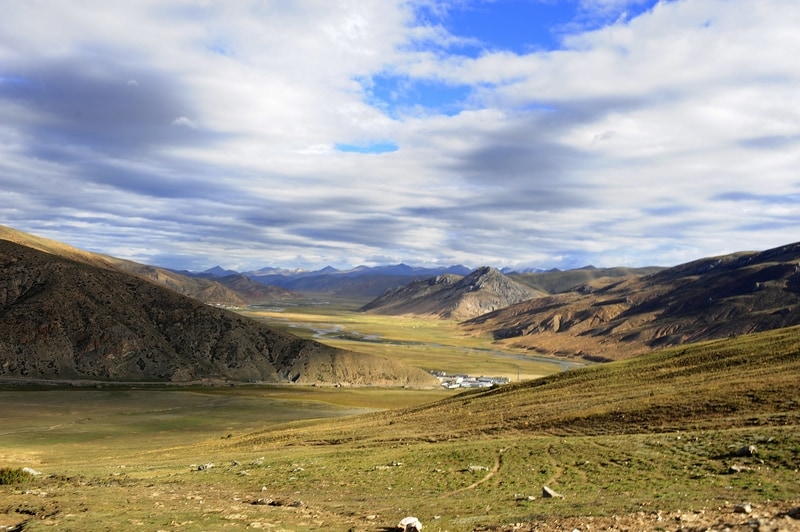
Murals Depicting Monastic Dress Codes, Large Heap of Mani Stones
Bomda Gomba
Destruction In 1959, Reconstruction Between 1984 and 1988
About Pomda Monastery
Pomda Monastery, also known as Bomda Gomba, is a Tibetan Buddhist lamasery situated in the village of Bamda within Baxoi County, Tibet. Established approximately 360 years ago, it represents a significant spiritual and cultural site in the region. The monastery's history includes a period of destruction in 1959, followed by its comprehensive rebuilding between 1984 and 1988.
History and Significance
The monastery's founding dates back to the 17th century, making it a venerable institution with deep historical roots. Its architectural and artistic elements include murals in the entrance hallway that illustrate monastic dress codes, offering insights into the traditions and practices of its inhabitants. Described by Eric Teichman in 1922 as a "typical grass-country monastery," it was distinguished by a particularly large heap of mani stones, a common practice in Tibetan Buddhism involving the carving of prayers and mantras onto stones.
Current Status
Pomda Monastery is an active monastic community, currently home to 90 monks. Despite its historical challenges, including its destruction and subsequent reconstruction, it continues to function as a place of religious devotion and practice. While specific public access details are not provided, its operational status indicates it remains a vital center for its resident monks. The monastery's rebuilding efforts underscore its enduring importance to the local community and Tibetan Buddhist heritage.
Source: Wikipedia ↗
Frequently Asked Questions
When was Pomda Monastery built?
Pomda Monastery is approximately 360 years old. It was destroyed in 1959 and subsequently rebuilt between 1984 and 1988.
How many monks live at Pomda Monastery?
The monastery is currently home to 90 monks.
What are some notable features of Pomda Monastery?
The entrance hallway of Pomda Monastery features a number of murals that depict monastic dress codes. It is also noted for having a particularly large heap of mani stones.
What happened to Pomda Monastery in the mid-20th century?
Pomda Monastery was destroyed in 1959 by the Communist Chinese. It remained in ruins until its reconstruction between 1984 and 1988.
Related Monasteries

Dzogchen
Dzogchen Monastery is a significant "Mother Monastery" of the Nyingma tradition of Tibetan Buddhism, historically located in Kham and re-established in South India. Founded in 1684 by Pema Rigdzin, it became renowned for its Sri Singha Shedra and was once the largest Nyingma monastery, housing thousands of monks and numerous branches. Despite significant destruction in the 20th century, it has been rebuilt in both Tibet and India, continuing its role as a major center for Buddhist teachings and practice.
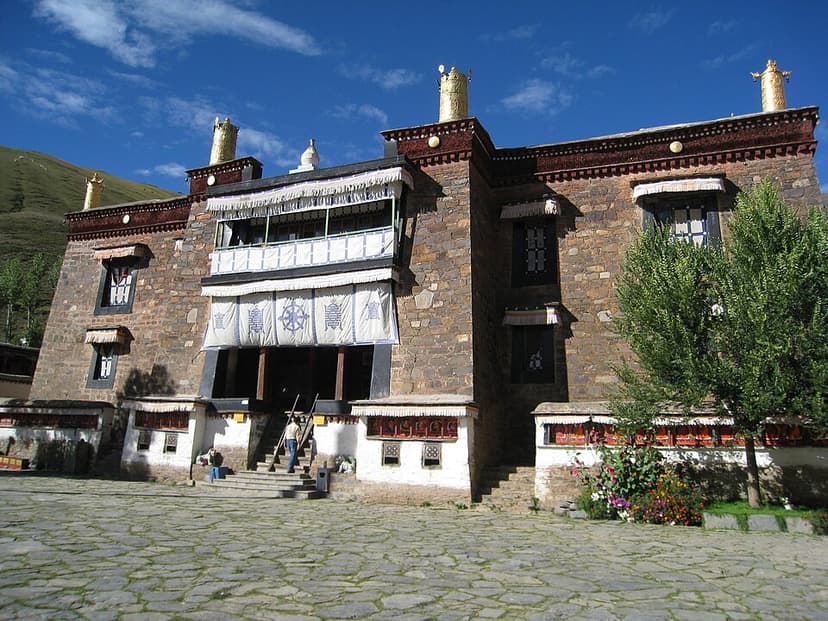
Mindrolling
Mindrolling Monastery is one of the "Six Mother Monasteries" of the Nyingma school of Tibetan Buddhism, founded in 1676 by Rigzin Terdak Lingpa. Known for its emphasis on Buddhist scriptures, astronomy, and traditional Tibetan medicine, it served as a significant training center for scholars and yogis for nearly 300 years. While the original Tibetan monastery faced damage and ongoing reconstruction, a new branch was re-established in India in 1965, which now houses the Ngagyur Nyingma College, a prominent Buddhist institute.

Palyul
Palyul Monastery, officially known as Palyul Namgyal Jangchub Choling Monastery, is a prominent "Six Mother Monasteries" of the Nyingma tradition within Tibetan Buddhism. Founded in 1665 by Rigzin Kunzang Sherab, it is situated in Pelyul, Baiyü County, Garzê Tibetan Autonomous Prefecture, Sichuan province, China. The monastery serves as the seat for the Nam Chö Terma lineage and has had significant lineage holders, including Drubwang Padma Norbu (Penor Rinpoche), the 11th throneholder, and his successor, Karma Kuchen Rinpoche.