
Mileševa Monastery
Mileševa Monastery is a Serbian Orthodox monastery founded between 1234 and 1236 by King Stefan Vladislav I. It is renowned for its exceptional 13th-century frescoes, including the iconic "White Angel," and served as a significant spiritual and cultural center. The monastery also holds the relics of Saint Sava and has witnessed important historical events, alongside enduring periods of destruction and restoration.
Key Facts
- ›Founded by King Stefan Vladislav I between 1234 and 1236.
- ›Houses the relics of Saint Sava, moved from Trnovo, Bulgaria in 1236.
- ›Features some of the most important 13th-century frescoes in Europe, including the "White Angel."
- ›Was the seat of the Metropolitanate of Dabar-Bosnia in the 15th century.
- ›Declared a Monument of Culture of Exceptional Importance in 1979 by the Republic of Serbia.
- ›The church is dedicated to the Ascension of our Lord and belongs to the Raška architectural school.

RašKa School
White Angel Fresco, Relics of Saint Sava, 13th-Century Frescoes, Printing House, Old School
Manastir MilešEva
King Stefan Vladislav I, Saint Sava, King Tvrtko I, Patriarch Makarije, Ivan Iv Vasilyevich
- Founding of the Monastery
- Relocation of Saint Sava's Relics
- Coronation of Tvrtko I
- Ottoman Burning In 1459
- Establishment of Printing House and School
- Ottoman Removal and Burning of Saint Sava's Relics In 1594
- Killing of Hegumen Nestor Trkulja In 1941
About Mileševa Monastery
Mileševa Monastery is a significant Serbian Orthodox monastery situated near Prijepolje in southwestern Serbia. Founded between 1234 and 1236 by King Stefan Vladislav I, it quickly became a vital spiritual and cultural hub.
History and Significance
The monastery gained immense importance in 1236 when King Vladislav transferred the relics of his uncle, Saint Sava, from Trnovo, Bulgaria, to Mileševa. This act cemented its status as a major pilgrimage site. Historical accounts suggest that Tvrtko I may have been crowned King of the Serbs and Bosnia within its walls in 1377. During the 15th century, Mileševa served as the seat of the Metropolitanate of Dabar-Bosnia. Despite suffering damage from fires, notably in 1459 by the Ottomans, the monastery was consistently restored. In the first half of the 16th century, it housed a printing house that illuminated service books and was home to one of the oldest schools. A thorough renovation occurred in the mid-16th century under Patriarch Makarije, which included the addition and painting of an external narthex. Later restorations, particularly in 1863, altered its appearance. Tragically, in 1594, Ottoman forces removed and burned the relics of Saint Sava, posthumously making him a martyr. The monastery was declared a Monument of Culture of Exceptional Importance in 1979 and is protected by the Republic of Serbia.
Source: Wikipedia ↗
Frequently Asked Questions
When was Mileševa Monastery founded?
Mileševa Monastery was founded by King Stefan Vladislav I between 1234 and 1236. This period marks the establishment of this significant Serbian Orthodox spiritual center.
What are the most famous artistic features of Mileševa Monastery?
The monastery is most famous for its 13th-century frescoes, considered a supreme achievement of European art from that era. The "White Angel" fresco, depicting an angel at Christ's tomb, is particularly renowned and iconic in Serbian culture.
What historical figures are associated with Mileševa Monastery?
King Stefan Vladislav I founded the monastery and moved the relics of his uncle, Saint Sava, there. Some historians believe King Tvrtko I was crowned King of the Serbs and Bosnia within its walls in 1377.
Has Mileševa Monastery faced destruction or damage?
Yes, the monastery has endured damage and destruction throughout its history. The Ottomans set it on fire in 1459, and in 1594, they removed and burned the relics of Saint Sava. Despite fires and military engagements, restoration efforts have preserved its important artworks.
What is the architectural style of Mileševa Monastery?
The church at Mileševa Monastery architecturally belongs to the Raška school. It features a unique ground plan with a single nave widening eastward, and its dome is raised on arches in a stairway-like arrangement.
Related Monasteries
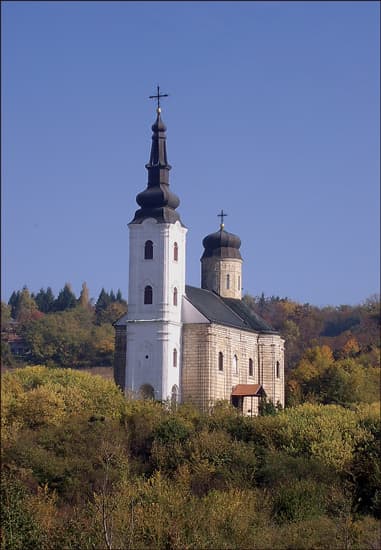
Šišatovac Monastery
Šišatovac Monastery is a Serbian Orthodox monastery located on Fruška Gora mountain in northern Serbia. Its foundation is attributed to monks fleeing the Žiča monastery, with the earliest reliable records dating to the mid-16th century. The monastery has undergone significant rebuilding and repairs, notably in the 18th century and after suffering damage during World War II, and is recognized as a Monument of Culture of Exceptional Importance.
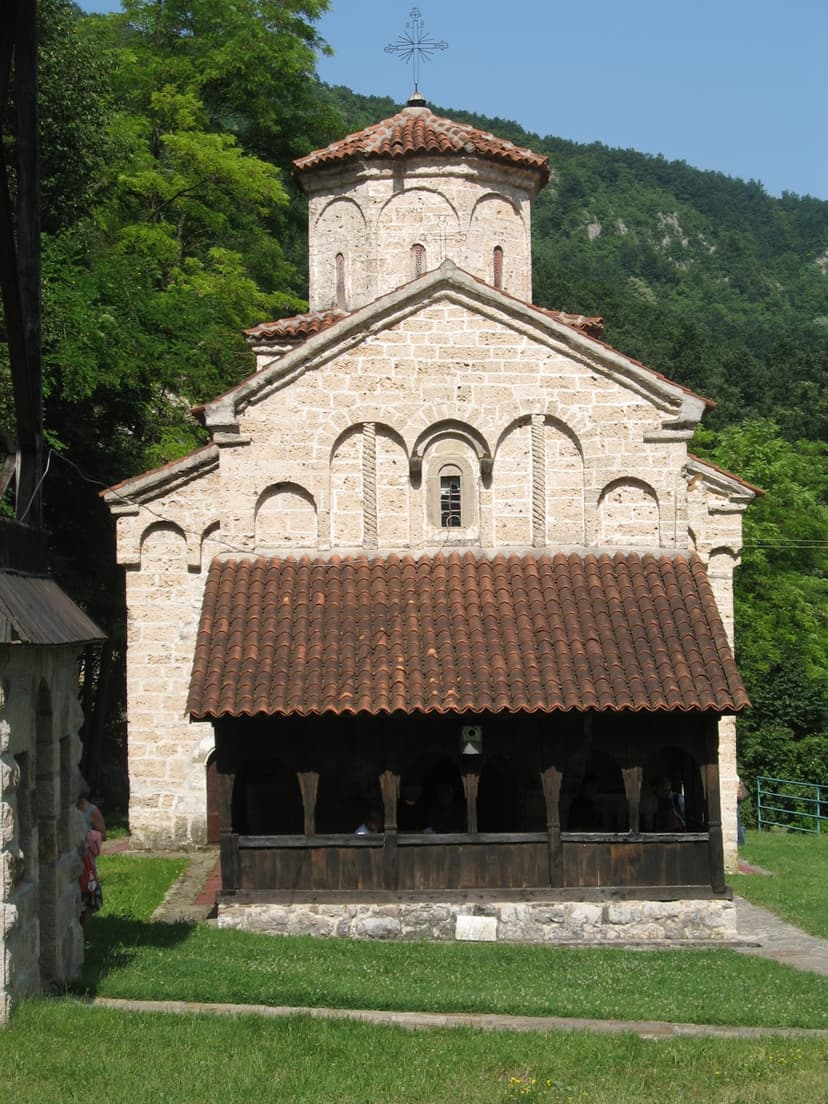
Klisura Monastery
Klisura Monastery, formerly known as Dobrača Monastery, is an active women's monastery of the Serbian Orthodox Church, originating from the late 13th century. Located in the village of Dobrače, it is dedicated to the holy archangels Michael and Gabriel and is recognized as an immovable cultural asset. Despite enduring numerous destructions and rebuilds throughout its history, it continues to function as a spiritual center.

Radovašnica Monastery
Radovašnica Monastery is an ancient Serbian Orthodox monastery dedicated to Archangels Michael and Gabriel, situated in the village of Radovašnica at the foot of Mount Cer. It boasts a rich history, having been endowed by King Dragutin Nemanjić and experiencing periods of destruction and restoration throughout centuries of conflict, notably during Turkish rule and World Wars. The monastery is recognized as an immovable cultural property and a cultural monument, celebrated for its Serbo-Byzantine Raška architectural style.