
Radovašnica Monastery
Serbian Orthodox·Serbia·Active (restoration underway)·13th century
Radovašnica Monastery is an ancient Serbian Orthodox monastery dedicated to Archangels Michael and Gabriel, situated in the village of Radovašnica at the foot of Mount Cer. It boasts a rich history, having been endowed by King Dragutin Nemanjić and experiencing periods of destruction and restoration throughout centuries of conflict, notably during Turkish rule and World Wars. The monastery is recognized as an immovable cultural property and a cultural monument, celebrated for its Serbo-Byzantine Raška architectural style.
Key Facts
- ›Founded by King Dragutin Nemanjić, ruling from 1282 to 1316.
- ›Dedicated to Archangels Michael and Gabriel.
- ›First mentioned in Turkish census of 1548, with indirect local mentions from 1541.
- ›Architectural style is Serbo-Byzantine Raška, with later archaeological findings suggesting consistency with the Morava architectural school for the original structure.
- ›Suffered destruction multiple times, including by Turks, in World War I, and by Nazis in 1941.
- ›Restoration efforts began in 1929 and again in April 2011.

Serbo-Byzantine RašKa, Morava Architectural School
- Dedication To Archangels Michael and Gabriel
- Surrounded By Ancient Forests
- Recognized As An Immovable Cultural Property and Cultural Monument
- Koanik
- Temple of the Holy Archangel Michael
- Temple of Michael and Gabriel On the RadovanščIca River
- Radovantica
King Dragutin Nemanjić, Nun Evgenija Abt
Endowed By King Dragutin Nemanjić, Destroyed By Turks Multiple Times, Destroyed In World War I, Destroyed By Nazis In October 1941
About Radovašnica Monastery
Radovašnica Monastery is a significant Serbian Orthodox religious site located in the village of Radovašnica, nestled at the base of Mount Cer, approximately twenty-three kilometers from the city of Šabac. Dedicated to the Archangels Michael and Gabriel, this monastery is recognized as an immovable cultural property and a cultural monument within Serbia.
History and Significance
The monastery's origins are tied to King Dragutin Nemanjić, who endowed it during his rule from 1282 to 1316, placing its founding in the late 13th or early 14th century. Historical records indicate its prominence before the Ottoman conquest, with the earliest known written mention appearing in a Turkish census from 1548, though local sources indirectly refer to it as early as 1541. The monastery has endured a tumultuous history, suffering destruction on numerous occasions, including burnings by the Turks, damage during World War I, and a significant razing by Nazi forces in October 1941 as part of a punitive operation.
Architecture and Restoration
Constructed in the style of the Serbo-Byzantine Raška architectural school, Radovašnica Monastery is built from crushed stone and covered with shingles. Its design features two crossed rectangles with a narthex and rounded altar apses, characterized by a round dome externally and supported by pilasters internally. Archaeological excavations have revealed that the original structure, dating to the first half of the 14th century, was built of brick and stone in a clover-leaf shape, consistent with the Morava architectural school. The monastery has undergone restoration efforts, with initial repairs in 1929 and a more recent restoration initiated in April 2011 under the guidance of the Valjevo Heritage Protection Institute.
Naming and Location
Over time, Radovašnica Monastery has been known by other names. Turkish censuses from the early 17th century refer to it as Koanik, potentially linking it to the ancient town of Kosana. Old records also identify it as the Temple of the Holy Archangel Michael, or Michael and Gabriel, situated on the Radovanščica river, sometimes referred to as Radovantica. The monastery's setting is notable for its tranquil environment, surrounded by centuries-old oak, beech, and linden forests.
Source: Wikipedia ↗
Frequently Asked Questions
When was Radovašnica Monastery founded?
The monastery was endowed by King Dragutin Nemanjić, who ruled from 1282 to 1316, indicating its founding within that period. The earliest written mention dates to a Turkish census in 1548, with indirect local mentions from 1541.
What is the geographical location of Radovašnica Monastery?
The monastery is located in the village of Radovašnica, approximately twenty-three kilometers from Šabac, nestled at the foot of the north side of the mountain Cer. It is surrounded by dense oak, beech, and linden forests.
What is the architectural style of Radovašnica Monastery?
The monastery is constructed in the Serbo-Byzantine Raška architectural school, built with crushed stone and covered with shingles. Archaeological findings suggest the original structure also aligns with the Morava architectural school.
Has Radovašnica Monastery faced destruction throughout its history?
Yes, the monastery has been destroyed several times throughout its history. It was burned down by the Turks on multiple occasions, again in World War I, and by the Nazis in 1941 as part of a punitive operation.
What are some alternative names for Radovašnica Monastery?
In historical Turkish censuses from 1600 and 1624, another name given for the monastery was Koanik. It was also referred to in old records as the Temple of the Holy Archangel Michael, or Michael and Gabriel, on the Radovanščica river or Radovantica.
Related Monasteries
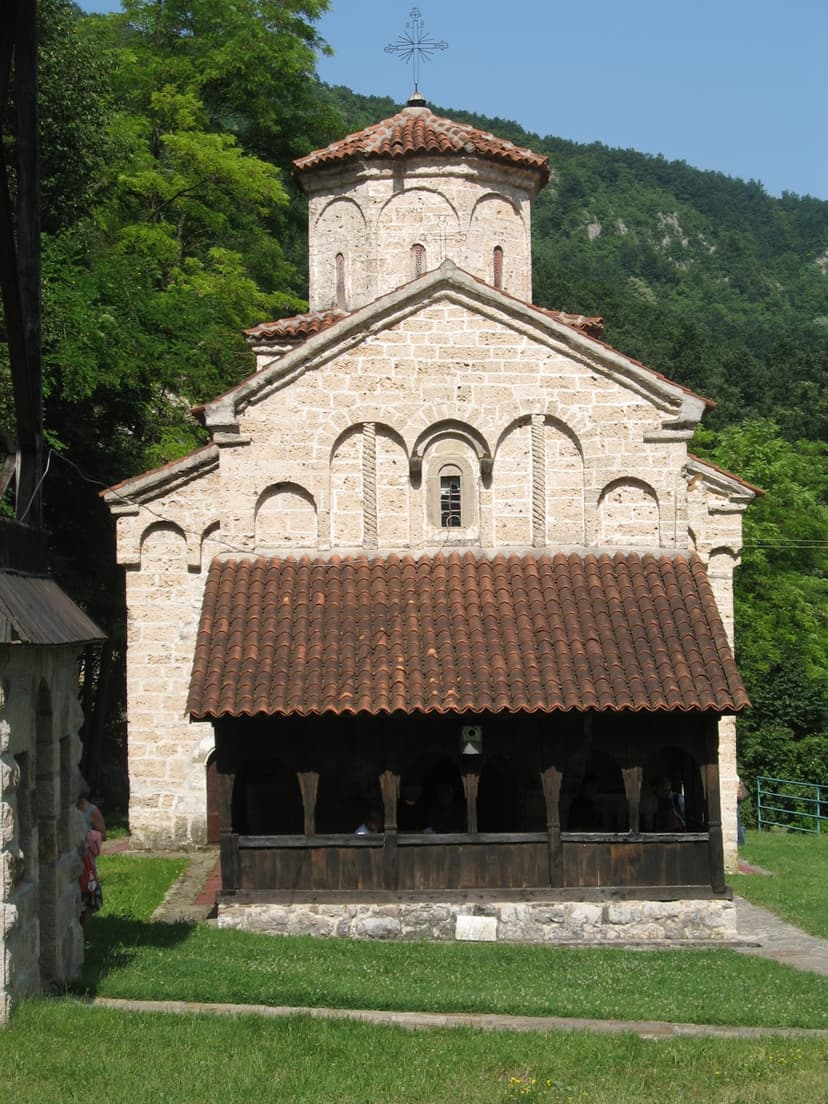
Klisura Monastery
Klisura Monastery, formerly known as Dobrača Monastery, is an active women's monastery of the Serbian Orthodox Church, originating from the late 13th century. Located in the village of Dobrače, it is dedicated to the holy archangels Michael and Gabriel and is recognized as an immovable cultural asset. Despite enduring numerous destructions and rebuilds throughout its history, it continues to function as a spiritual center.

Žiča Monastery
Žiča Monastery, an early 13th-century Serbian Orthodox monastery near Kraljevo, Serbia, holds significant historical and religious importance. It was founded by King Stefan the First-Crowned and Saint Sava, serving as the seat of the Serbian Archbishopric and the traditional coronational church for Serbian kings. Though damaged by various conflicts, it remains a protected Cultural Monument of Exceptional Importance.
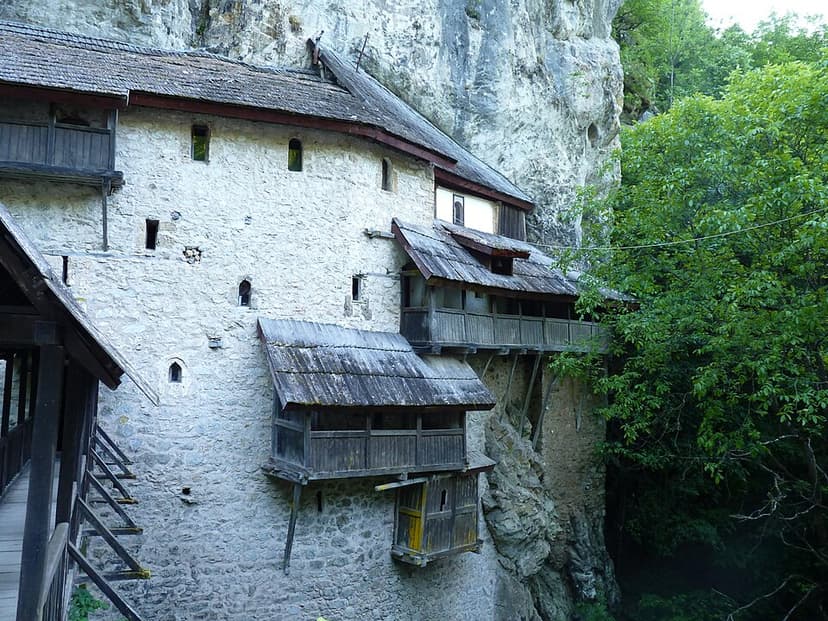
Crna Reka
Crna Reka Monastery is a 13th-century Serbian Orthodox monastery located in southwestern Serbia, near the village of Ribariće. It is distinguished by its cave-church dedicated to Archangel Michael, which features 16th-century frescoes and houses the relics of Saint Peter of Koriša. The monastery's secluded location in the gorges of Ibar Kolašin provided refuge for monks from Sopoćani during Ottoman attacks in the 16th century.