
Žiča Monastery
Serbian Orthodox·Serbia·Cultural Monument of Exceptional Importance·13th century
Žiča Monastery, an early 13th-century Serbian Orthodox monastery near Kraljevo, Serbia, holds significant historical and religious importance. It was founded by King Stefan the First-Crowned and Saint Sava, serving as the seat of the Serbian Archbishopric and the traditional coronational church for Serbian kings. Though damaged by various conflicts, it remains a protected Cultural Monument of Exceptional Importance.
Key Facts
- ›Founded by King Stefan the First-Crowned and Saint Sava in the early 13th century.
- ›Served as the first seat of the Serbian Archbishopric (1219–1253).
- ›Traditionally the coronational church for Serbian kings.
- ›Declared a Cultural Monument of Exceptional Importance in 1979.
- ›Experienced significant damage during World War II skirmishes and bombardment.
- ›Celebrated 800 years of existence in 2008.

Rascian, Byzantine
- Traditional Coronational Church of Serbian Kings
- First Seat of the Serbian Archbishopric
- Frescoes
Manastir žIčA
Stefan the First-Crowned, Saint Sava, Saint Simeon, Arsenije I Sremac, Jevstatije I, Jevstatije Ii, Nikodim, Nikon, King Stefan Milutin, Rastko Nemanjić
- Founded By King Stefan the First-Crowned and Saint Sava
- Became Seat of Serbian Archbishopric
- Synod Condemning Bogomilism Held Here
- See Transferred To Peć
- Ruined Monastery's Treasures Transferred To Peć
- Burned By Cumans
- Renovated By King Stefan Milutin
- Bombarded and Damaged During Wwii
- Celebrated 800 Years of Existence
About Žiča Monastery
Žiča Monastery is an early 13th-century Serbian Orthodox monastery located near Kraljevo, Serbia. Its construction was a joint effort by Stefan the First-Crowned, the first King of Serbia, and Saint Sava, the first Serbian Archbishop. The monastery was founded in the Rascian architectural style, with assistance from Greek masters, between 1208 and 1230.
Historical Significance
Žiča holds profound historical and religious importance for Serbia. It served as the seat of the Archbishop of all Serbian lands from its establishment in 1219 until 1253. By tradition, it was also the coronational church for Serbian kings, with the anointing ceremony at Žiča considered essential for a king to be truly recognized. In 1221, a significant synod was held at Žiča Monastery to condemn Bogomilism.
Architectural Features and Development
The church, dedicated to the Ascension of Our Lord, exemplifies the Rascian school of architecture, with a plan featuring a spacious nave and a large eastern apse, topped by a domed central space. The prevailing architectural spirit is Byzantine. The church was constructed from stone and brick. The interior once boasted three layers of frescoes; the earliest, dating from around 1219, have only partially survived in the choir. The monastery suffered damage, including being burned by Cumans, leading to renovations by King Stefan Milutin between 1292 and 1309, during which the refectory was adorned with frescoes and a tower was erected. Despite later damage, fragments of these frescoes remain.
Later History and Preservation
In 1253, due to invasions, the episcopal see was transferred south to Peć. In 1289-90, the main treasures of the then-ruined Žiča were moved to Peć. The monastery faced further destruction during World War II, with skirmishes in the area and bombardment by German air forces in 1941, which significantly damaged the church. Despite these adversities, Žiča Monastery was declared a Cultural Monument of Exceptional Importance in 1979 and remains a protected site. It celebrated 800 years of its existence in 2008.
Source: Wikipedia ↗
Frequently Asked Questions
When was Žiča Monastery founded?
Žiča Monastery was founded by King Stefan the First-Crowned and Saint Sava between 1208 and 1230. It celebrated 800 years of existence in 2008, indicating its deep historical roots.
What was the significance of Žiča Monastery in Serbian history?
Žiča Monastery was the seat of the Archbishop of all Serbian lands from 1219 to 1253. It also held the tradition of being the coronational church for Serbian kings, with monarchs considered truly anointed only after being crowned there.
What architectural style is characteristic of Žiča Monastery?
The monastery was built in the Rascian architectural style, with significant help from Greek masters. The Byzantine spirit prevails in its architecture, evident in its stone and brick construction and domed central space.
Has Žiča Monastery always been well-preserved?
No, Žiča Monastery has faced damage throughout its history. It was burned by Cumans sometime between 1276-92 and significantly damaged by German air forces and shelling during the Siege of Kraljevo in 1941.
What is the current status of Žiča Monastery?
Žiča Monastery is a protected Cultural Monument of Exceptional Importance in Serbia. It remains an active religious site and a significant historical landmark.
Related Monasteries
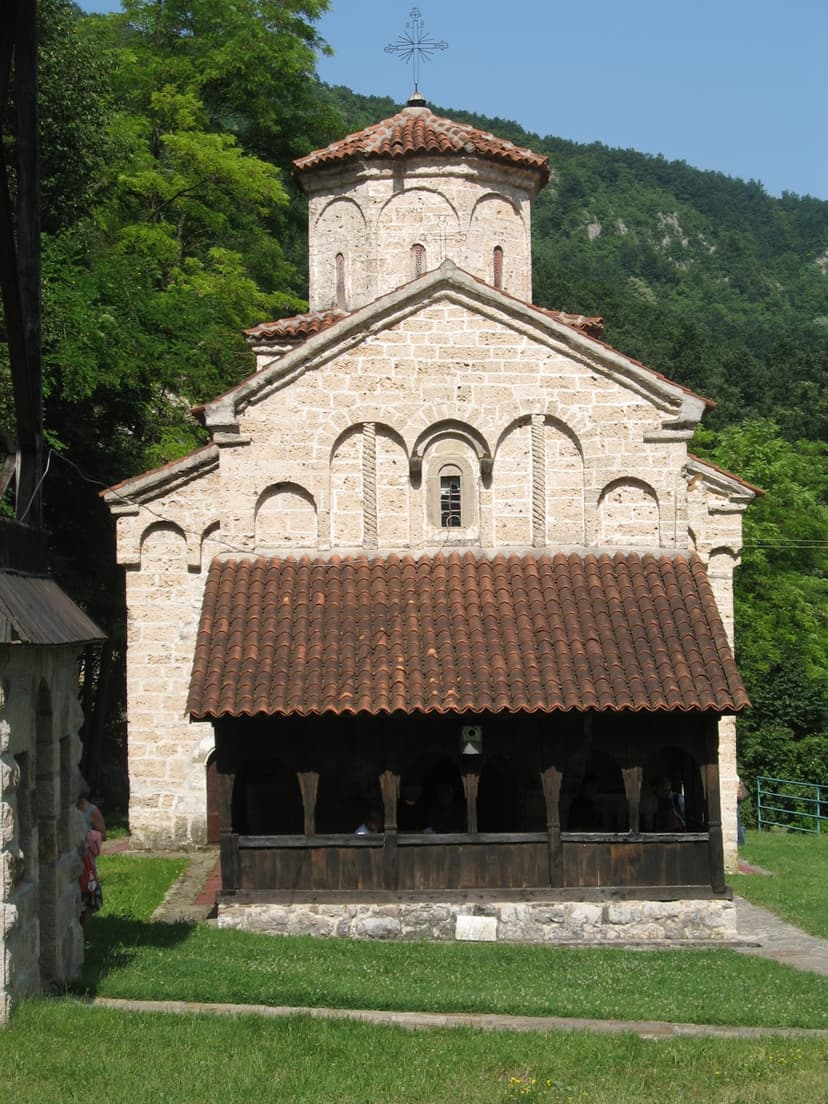
Klisura Monastery
Klisura Monastery, formerly known as Dobrača Monastery, is an active women's monastery of the Serbian Orthodox Church, originating from the late 13th century. Located in the village of Dobrače, it is dedicated to the holy archangels Michael and Gabriel and is recognized as an immovable cultural asset. Despite enduring numerous destructions and rebuilds throughout its history, it continues to function as a spiritual center.

Radovašnica Monastery
Radovašnica Monastery is an ancient Serbian Orthodox monastery dedicated to Archangels Michael and Gabriel, situated in the village of Radovašnica at the foot of Mount Cer. It boasts a rich history, having been endowed by King Dragutin Nemanjić and experiencing periods of destruction and restoration throughout centuries of conflict, notably during Turkish rule and World Wars. The monastery is recognized as an immovable cultural property and a cultural monument, celebrated for its Serbo-Byzantine Raška architectural style.
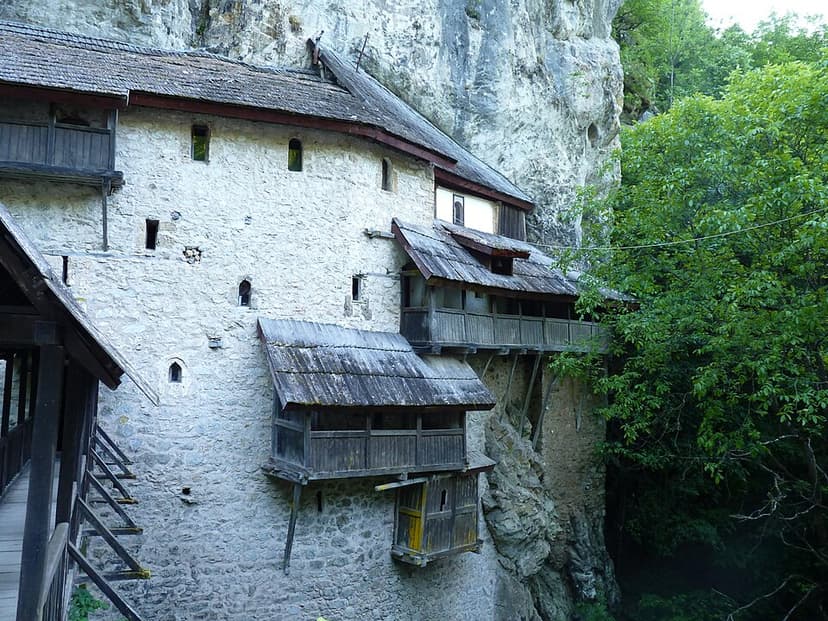
Crna Reka
Crna Reka Monastery is a 13th-century Serbian Orthodox monastery located in southwestern Serbia, near the village of Ribariće. It is distinguished by its cave-church dedicated to Archangel Michael, which features 16th-century frescoes and houses the relics of Saint Peter of Koriša. The monastery's secluded location in the gorges of Ibar Kolašin provided refuge for monks from Sopoćani during Ottoman attacks in the 16th century.