
Louth Park Abbey
Louth Park Abbey was a Cistercian monastery founded in 1139 by Alexander, Bishop of Lincoln, as a daughter-house of Fountains Abbey. Situated south of Louth, Lincolnshire, the abbey was known for its plain architecture, extensive grounds featuring fishponds and a moat dug for water supply, and a significant church. Despite periods of financial difficulty and the impact of the Black Death, it housed a substantial community of monks and lay brothers before its dissolution in 1536.
Key Facts
- ›Founded in 1139 by Alexander, Bishop of Lincoln.
- ›A daughter-house of Fountains Abbey, Yorkshire.
- ›Housed 66 monks and 91 lay brothers by 1291.
- ›Its church was 256 feet long, wider than Lincoln Cathedral's nave.
- ›Dissolved on September 8, 1536, with only ten monks and the Abbot remaining.
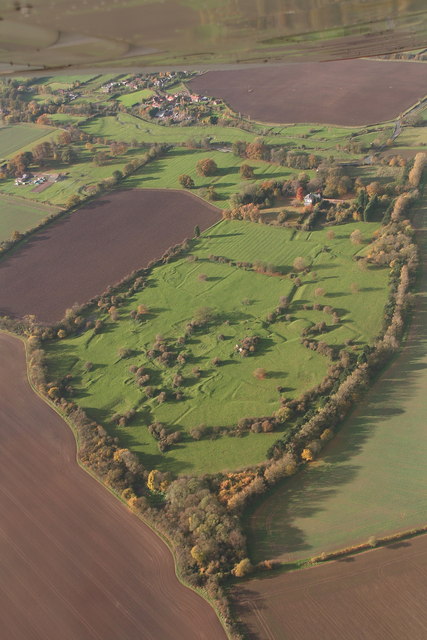
- ›Surviving remains include earthworks and ruined chancel walls of the church.
Transitional Norman
Fishponds, Moat, Chapter-House, Grain Mill, Abbots' Coffins
Parco Lude
Alexander of Lincoln, Gervase of Louth, Richard of Dunholm, Walter De Louth, Richard De Lincoln, Sir Henry Le Vavasour, Constance Le Vavasour, George Walker
- Founded In 1139.
- Received Endowments From Various Benefactors.
- King John Stayed Overnight In 1201 and Extorted Money.
- Suffered Losses During the Black Death In the 1340s.
- Sir Henry Le Vavasour Endowed the Abbey With His Manor.
- Dissolved On September 8, 1536.
- Site Granted To Thomas Burgh, Then Charles Brandon.
- Human Remains From the English Civil War Found On Site.
About Louth Park Abbey
Louth Park Abbey was a Cistercian monastery located in Lincolnshire, England, founded in 1139. The abbey was established by Alexander, Bishop of Lincoln, as a daughter-house of the prominent Fountains Abbey in Yorkshire. The initial site considered was the Isle of Haverholme, but the monks found its agricultural potential unsuitable. Bishop Alexander then granted them a location within his own park south of Louth, a site that became known as Louth Park.
Founding and Early Development
The founding charter, transcribed into the Priory Book of Alvingham, details Bishop Alexander's disposition to found an abbey for monks of the Cistercian order. The first monks were led by Abbot Gervase of Louth. The earliest buildings were constructed in the plain Transitional Norman style, typical of Cistercian austerity. Significant construction occurred around 1246 under Abbot Richard of Dunholm, who is credited with reviving the abbey's fortunes. By 1291, the community had grown to include 66 monks and 91 lay brothers.
Abbey Layout and Features
The abbey grounds covered approximately 23 acres and were situated on an elevated area south of the River Lud. To secure a reliable water supply for their needs and fishponds, the monks engineered a ditch to channel water from springs at Ashwell and St. Helen's. This effectively created a moat around the complex. At its most developed, the abbey included a church, chapter house, refectories, dormitories, and guest accommodation, alongside infirmary and gatehouse buildings. The abbey church was substantial, measuring 256 feet in length, with nave dimensions approaching those of Lincoln Cathedral.
Challenges and Endowments
Louth Park Abbey experienced periods of financial strain. In the early 1340s, Edward III temporarily took control to manage its debts. The abbey also received significant endowments, including lands and rights to ironstone and smelting furnaces in Derbyshire. King John famously stayed at the abbey in 1201 but is recorded as having extorted a considerable sum from it. The Black Death of the 1340s significantly impacted the community, with many monks, including Abbot Walter de Louth, succumbing to the plague.
Dissolution and Later History
By the time of its dissolution on September 8, 1536, the abbey's fortunes had declined, with only ten monks and Abbot George Walker remaining. The monks were pensioned off, and the abbey site was subsequently granted to various figures, including Thomas Burgh and Charles Brandon, Duke of Suffolk. During the English Civil War, fighting occurred in the vicinity, and human remains believed to be from that era, along with cannonballs, were discovered during later archaeological investigations.
Ruins and Relics
Surviving remnants of Louth Park Abbey include earthworks and the ruined north and south chancel walls of the church, along with the base of a nave pillar. These remains are a Grade I listed building. Fragments of decorative stone sculptures, including Romanesque heads and column capitals, have been recovered and incorporated into other structures or displayed in museums. An arch believed to have been part of the abbey was found and incorporated into St. Margaret's Church, Keddington. Stone coffins of former abbots have also been unearthed.
Source: Wikipedia ↗
Frequently Asked Questions
When was Louth Park Abbey founded?
Louth Park Abbey was founded in 1139. The founding was facilitated by Alexander, Bishop of Lincoln, who granted the Cistercians a site within his park at Louth.
What religious order did Louth Park Abbey belong to?
Louth Park Abbey was a Cistercian monastery. The Cistercians followed the order of the blessed St. Benedict and adhered to specific customs.
What was the size of the monastic community at Louth Park Abbey?
By 1291, Louth Park Abbey housed a substantial community, consisting of 66 monks and 91 conversi, or lay brothers.
What significant architectural features did Louth Park Abbey have?
The abbey church was notably long, measuring 256 feet, and its nave was only slightly narrower than that of Lincoln Cathedral. The earliest buildings were in the Transitional Norman style, reflecting the Cistercian preference for plainness.
What happened to Louth Park Abbey after its dissolution?
Following its dissolution on September 8, 1536, the abbey site was granted to various noblemen, including Thomas Burgh and Charles Brandon. Later, parts of its ruins were used as a source of building materials and for creating garden follies and incorporated into nearby structures.
Are there any visible remains of Louth Park Abbey today?
Yes, surviving remains include extensive earthworks and, of the church, the ruined north and south chancel walls, along with the base of a nave pillar. These are designated as a Grade I listed building.
Related Monasteries

Ankerwycke Priory
Ankerwycke Priory was a small and relatively poor Benedictine nunnery established around 1160 in Buckinghamshire, England. Dedicated to St. Mary Magdalene, it held lands across several counties. Dissolved in 1536, its revenues were transferred to Bisham Abbey, and the priory site later saw the construction of a manor house. Today, only a small section of ruins remains, situated in Berkshire.
Buildwas Abbey
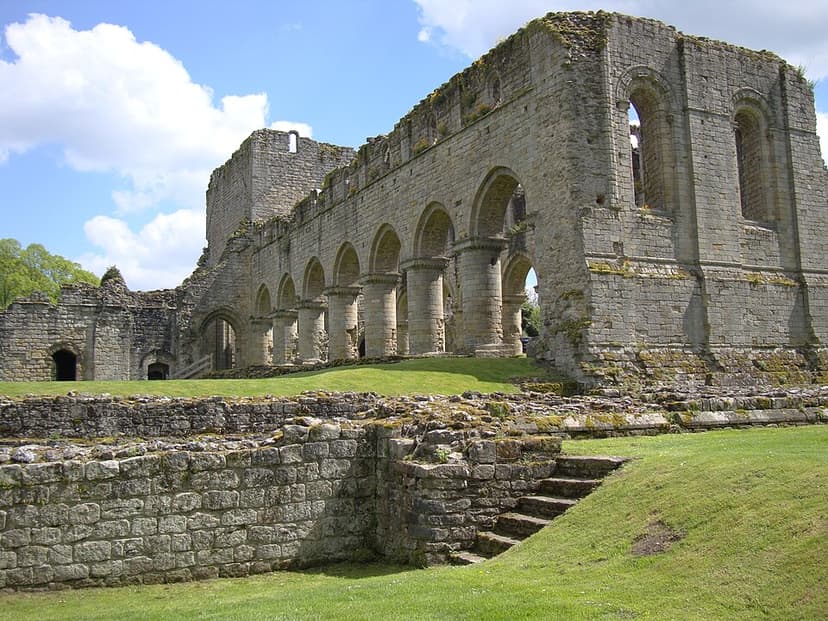
Buildwas Abbey was a significant Cistercian monastery in Shropshire, England, founded in 1135. It experienced periods of substantial growth and wealth, becoming a center of learning with a notable library. Despite facing challenges from economic crises and conflict, it played a role in royal administration, particularly concerning Ireland and Wales, before its suppression in 1536. Today, substantial remains of the abbey church and monastic buildings are maintained by English Heritage.

Byland Abbey
Byland Abbey was a Savigniac and later Cistercian monastic institution founded in 1135 in North Yorkshire, England. Despite an unstable early history with multiple relocations, it eventually settled at its final site near Coxwold. Once established, it became a significant religious and economic center, renowned for its sheep rearing and wool exports, and boasting a church described as one of the finest 12th-century structures in Europe. Though dissolved in 1538, extensive ruins remain, including the west front of the church with its notable rose window, and the site is maintained by English Heritage.