
Longpont Abbey
Christian·France·Ruins and museum/hotel site·12th century
Longpont Abbey was a Cistercian monastery founded in 1131 by monks from Clairvaux Abbey at the request of Jocelin of Soissons. Located in present-day Longpont, Aisne, France, it operated until its dissolution in 1793. While most of the original structures were lost, the roofless abbey church and some cloister buildings remain, with the site now featuring a hotel on the former Cistercian inn.
Key Facts
- ›Founded in 1131 by monks from Clairvaux Abbey.
- ›Dissolved in 1793.
- ›Located in present-day Longpont, Aisne, France.
- ›Notable monks included Peter the Chanter and John de Montmirail.
- ›The site now houses a hotel on the grounds of the original inn.
- ›War damage occurred in 1918, affecting original buildings.
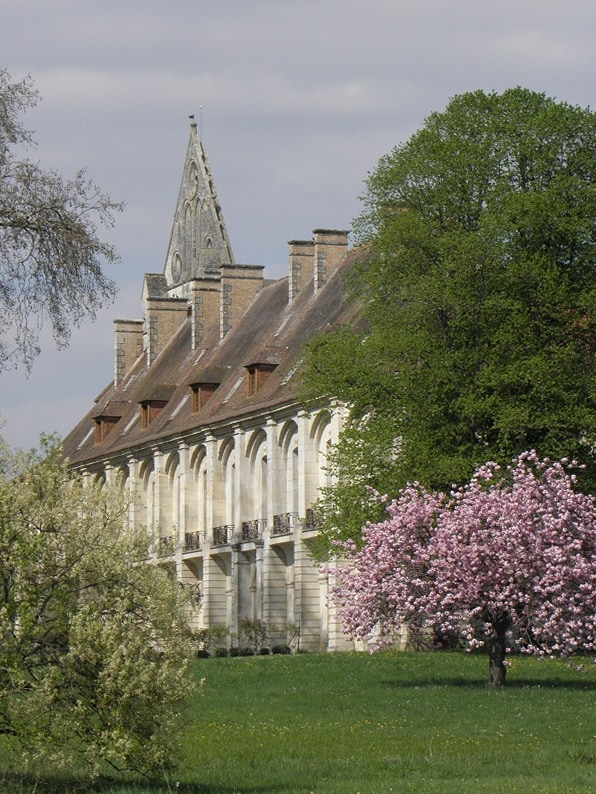
Roofless Abbey Church, Buildings Around the Cloister, Site of Old Cistercian Inn
Abbaye Notre-Dame De Longpont
Jocelin of Soissons, Peter the Chanter, John De Montmirail, Raoul Ii, Count of Vermandois, Eleanor, Countess of Vermandois
Founded In 1131, Dissolved In 1793, Suffered War Damage In 1918
About Longpont Abbey
Longpont Abbey, officially known as Abbaye Notre-Dame de Longpont, was a significant Cistercian monastery located in present-day Longpont, Aisne, France. Its existence spanned from 1131 until its dissolution in 1793. The abbey was established by monks originating from the renowned Clairvaux Abbey, acting upon the request of Jocelin of Soissons.
Historical Context and Significance
The monastery played a role in medieval religious life, counting among its monks notable figures such as Peter the Chanter and John de Montmirail. The abbey church itself served as a burial site for several individuals, including Raoul II, Count of Vermandois, Eleanor, Countess of Vermandois, and Jean de Montmirail. The Cistercian order, to which Longpont belonged, was characterized by its emphasis on austerity, manual labor, and contemplative prayer.
Present Day
Today, Longpont Abbey is not an active monastic community. The site bears the marks of its history, including damage sustained during the conflicts of 1918. Visitors can explore the roofless remains of the abbey church and some of the better-preserved buildings that once surrounded the cloister. A modern hotel has been established on the grounds, utilizing the structure of the old Cistercian inn, offering a unique accommodation experience rooted in the abbey's past.
Source: Wikipedia ↗
Frequently Asked Questions
When was Longpont Abbey founded?
Longpont Abbey was founded in 1131. The establishment was initiated by monks from Clairvaux Abbey at the behest of Jocelin of Soissons.
What religious order was Longpont Abbey a part of?
Longpont Abbey was a Cistercian monastery. This order is known for its strict observance and dedication to prayer and manual labor.
What remains of Longpont Abbey today?
Today, the roofless abbey church of Longpont Abbey can be visited. Additionally, better-preserved buildings surrounding the cloister are accessible. A hotel now operates on the site of the old Cistercian inn.
Are there any notable figures associated with Longpont Abbey?
Yes, notable monks who were part of Longpont Abbey included Peter the Chanter and John de Montmirail. Jean de Montmirail is also listed among those buried at the abbey.
What happened to the original buildings of Longpont Abbey?
The original buildings of Longpont Abbey suffered damage from war in 1918. While parts remain, including the abbey church and cloister buildings, much of the original complex is no longer standing.
Related Monasteries
Abbey of Loc-Dieu
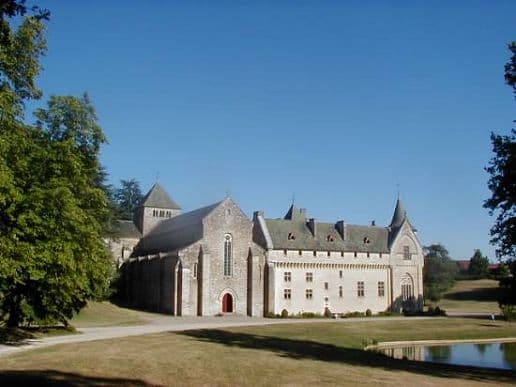
Abbey of Loc-Dieu is a Cistercian abbey situated in Aveyron, France, founded in 1123 on a site historically known as "devil's place" before being renamed "place of God" by its monastic inhabitants. Despite facing destruction and rebuilding, it became a significant Gothic architectural site and, during World War II, served as a safe haven for artworks from the Louvre, including the Mona Lisa. Today, the abbey and its park are open to the public.

Cadouin Abbey
Cadouin Abbey was a Cistercian monastery founded in 1115 as a hermitage. It rose to prominence as a major pilgrimage site due to its possession of a relic believed to be the Sudarium of Christ, attracting significant prestige and wealth. The abbey was dissolved during the French Revolution in 1791, with its assets looted and library destroyed, though its church still remains.

Flaran Abbey
Flaran Abbey, a former Cistercian monastery located near Valence-sur-Baïse in Gers, France, was founded in 1151 as a daughter house of Escaladieu Abbey. It flourished in the Middle Ages, even co-founding the town of Valence-sur-Baïse, but suffered damage during historical conflicts and was suppressed during the French Revolution. Today, after extensive restoration, it stands as one of the best-preserved abbeys in southwestern France and hosts cultural activities and an exhibition on the Way of St. James.