
Lindores Abbey
Lindores Abbey was a Tironensian monastery founded in 1191 near Newburgh, Fife, Scotland. Once a significant religious and royal site, it was largely destroyed during the Reformation in the 16th century. Today, it exists as a ruin, with ongoing archaeological investigations revealing new insights into its history, including evidence of early whisky production.
Key Facts
- ›Founded in 1191 as a daughter house of Kelso Abbey by David, Earl of Huntingdon.
- ›Visited by several Scottish and English monarchs, including Edward I and John Balliol.
- ›Sacked by mobs in 1543 and 1559 during the Reformation, leading to its cessation of operation.
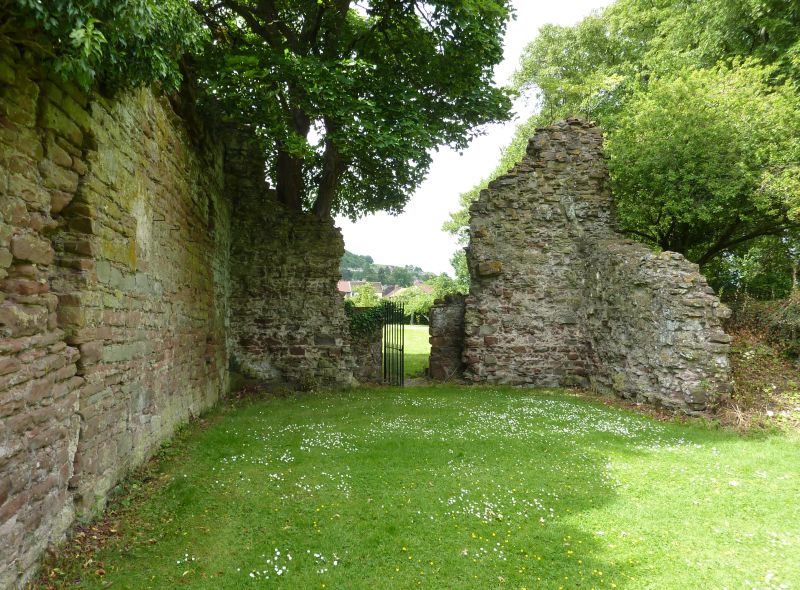
- ›Significant remains include a gateway, a groin-vaulted slype, and parts of the church's chancel and western tower.
- ›Archaeological discoveries in 2018 indicated evidence of early whisky production at the site.
- ›Currently the site of a summer archaeological field school run by the University of St Andrews and Brandeis University.
Gothic
- Gateway To Monastic Enclosure
- Groin-Vaulted Slype
- Remains of Church Chancel and Western Tower
- Sections of Precinct Wall
- Discovery of Distillation Vat Indicating Early Whisky Production
David, Earl of Huntingdon, William the Lion, Guido, Prior of Kelso, David Stewart, Duke of Rothesay, Edward I of England, John Balliol, David Ii, James Iii, John Knox, Patrick Leslie, Anne of Denmark, James V
- Founded In 1191
- Visited By Monarchs Including Edward I and John Balliol
- Sacked By A Mob From Dundee In 1543
- Sacked By John Knox and His Supporters In 1559
- Ceased Operation In 1559
- Began To Be Dismantled Around 1584
- Discovery of Distillation Vat In 2018
- Archaeological Field School Operating Since 2024
About Lindores Abbey
Lindores Abbey was a significant Tironensian monastic foundation situated on the outskirts of Newburgh in Fife, Scotland. Established on land granted by William the Lion to his brother David, Earl of Huntingdon, the abbey was founded in 1191 as a daughter house of Kelso Abbey. Under its first abbot, Guido, the construction of the church, dedicated to the Blessed Virgin and St. Andrew, and other monastic buildings progressed substantially. The abbey served as a notable religious and royal site, attracting visits from several monarchs, including Edward I of England, John Balliol, and later Scottish kings.
History and Decline
The abbey's history was marked by periods of both prosperity and destruction. It served as a burial place for figures such as David Stewart, Duke of Rothesay. However, during the tumultuous period of the Scottish Reformation, Lindores Abbey suffered significant damage. It was sacked by a mob from Dundee in 1543 and again in 1559 by John Knox and his followers, who reportedly destroyed altars, statues, books, and vestments. Following these events, the abbey ceased its monastic operations.
Post-Reformation and Legacy
After the Reformation, the abbey's assets and income were granted to a Commendator. Although monks remained for a time, the dismantling of the abbey buildings began around 1584. The structures were quarried for building materials, and architectural fragments were incorporated into later constructions in Newburgh. Despite its ruinous state, significant remains endure, including a gateway, a groin-vaulted slype, and parts of the chancel and western tower of the church, allowing the ground plan of the original structure to be traced. More recently, archaeological investigations, including a summer field school, have been conducted at the site, revealing unexpected discoveries such as evidence of early whisky production, with a distillation vat found in 2018.
Source: Wikipedia ↗
Frequently Asked Questions
When was Lindores Abbey founded?
Lindores Abbey was founded in 1191. Some sources suggest an earlier foundation date of 1178.
What happened to Lindores Abbey?
The abbey ceased operation in 1559 following its sacking by Protestant supporters. It was subsequently dismantled, and its materials were quarried for local construction.
What are the main remaining structures at Lindores Abbey?
The principal upstanding remains include one of the gateways to the monastic enclosure, the groin-vaulted slype, and sections of the chancel walls and western tower of the church. Parts of the precinct wall are also visible.
Is there any evidence of whisky production at Lindores Abbey?
Yes, in 2018 a distillation vat was discovered among the ruins, along with evidence suggesting early whisky production at the site. The remains of the still are preserved for display.
Who is buried at Lindores Abbey?
Notable burials include David Stewart, Duke of Rothesay, and infant sons of David I, Earl of Huntingdon. James Douglas, 9th Earl of Douglas, is also listed among those buried there.
Is Lindores Abbey still an active monastery?
No, Lindores Abbey ceased operation in 1559 and is now a ruin. However, the site is subject to ongoing archaeological investigation and is a scheduled monument.
Related Monasteries
Arbroath Abbey
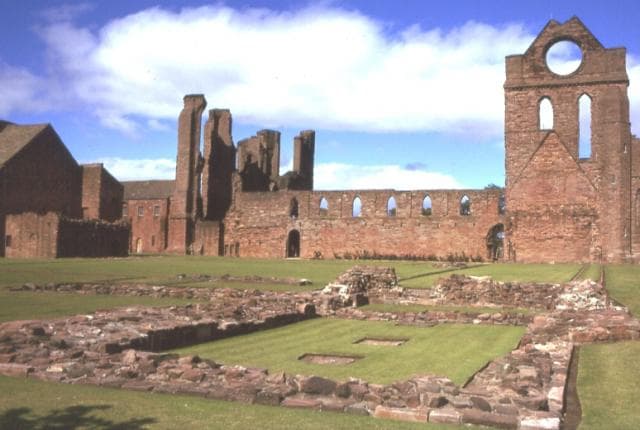
Arbroath Abbey, a ruined Cistercian monastery located in Arbroath, Scotland, was founded in 1178 by King William the Lion. It is renowned as the site where the Declaration of Scottish Independence was likely drafted in 1320. The Abbey, once the wealthiest in Scotland, is now managed by Historic Environment Scotland and is a popular tourist attraction, notable for its distinctive red sandstone ruins.

Dundrennan Abbey
Dundrennan Abbey was a Cistercian monastery established in 1142 in Dundrennan, Scotland. Known for its Romanesque architecture, the abbey reflects the austere Cistercian ideal and is noted for the preservation of its original forms due to its hard-weathering grey sandstone construction. Although extensively ruined, it holds historical significance as the site where Mary, Queen of Scots, spent her final night in Scotland in 1568 before fleeing.
Glenluce Abbey
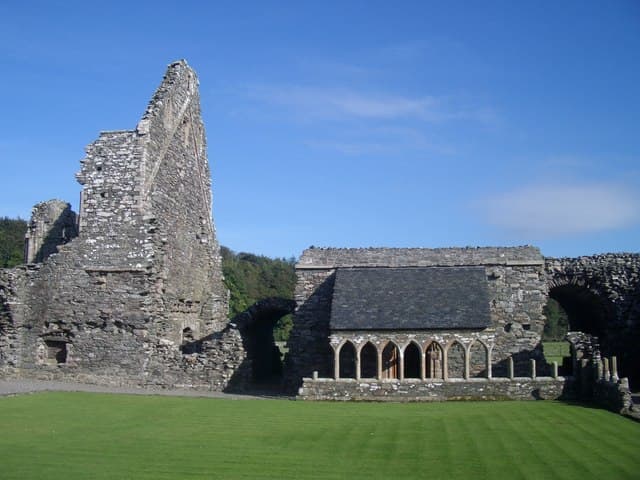
Glenluce Abbey was a Cistercian monastery founded around 1190 by Rolland, Lord of Galloway. After the Scottish Reformation in 1560, the abbey fell into disuse and its lands were controversially acquired by the Kennedy family. Today, the ruins of Glenluce Abbey are a scheduled monument, having undergone partial restoration.