
Le Liget Charterhouse
Le Liget Charterhouse was a Carthusian monastery founded in 1178 in Touraine, France, by King Henry II of England, possibly as penance for the murder of Thomas Becket. Despite significant destruction during the Hundred Years' War and French Wars of Religion, and later demolition during the French Revolution, parts of the medieval structures remain. These remnants, including the Corroirie gate, chapel, and prison, are registered as historical monuments, preserving a glimpse into the monastery's past.
Key Facts
- ›Founded in 1178 by King Henry II of England.
- ›Possibly established as atonement for the murder of Thomas Becket.
- ›Suffered destruction during the Hundred Years' War and French Wars of Religion.
- ›Largely demolished during the French Revolution.
- ›Remains are registered as a monument historique in France.
- ›Comprised an upper house with monks' cells and a lower house known as the Corroirie.
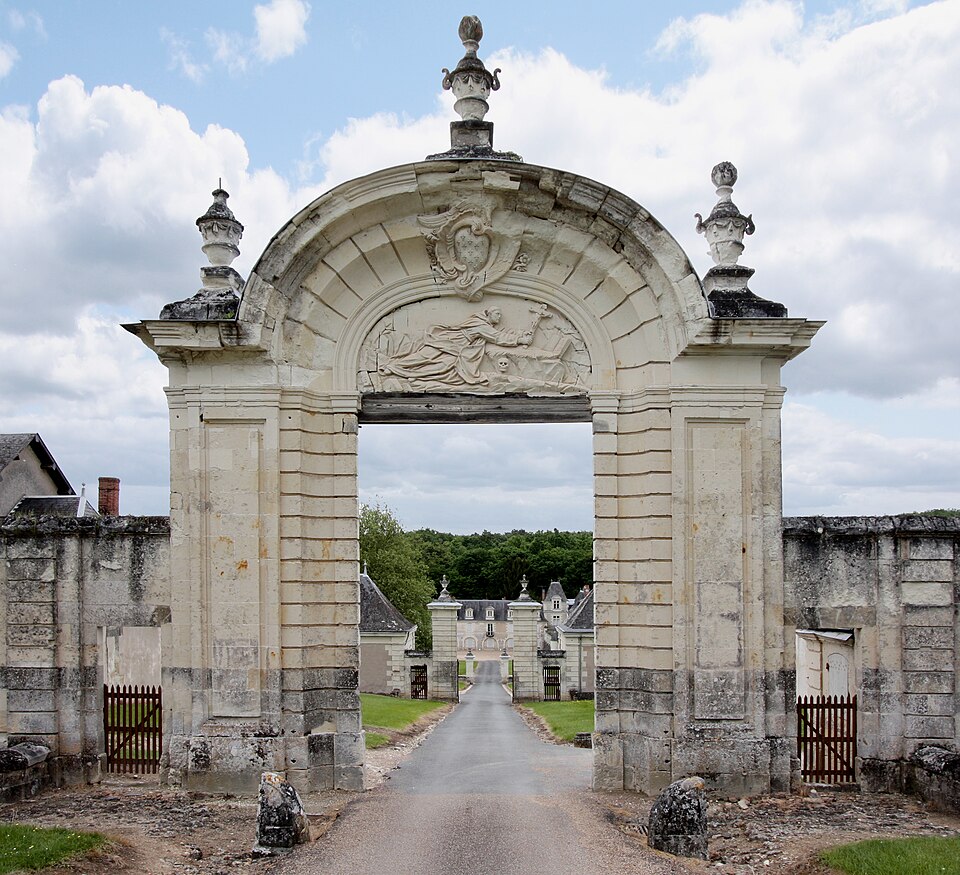
Romanesque
Corroirie, Chapel of Saint-Jean-Du-Liget, Remains of the Church and Cloister, Acoustic Pottery In Nave Walls
Chartreuse Du Liget
Henry Ii, King of England, Thomas Becket, Saint Bruno
- Founded By Henry Ii
- Ruined During the Hundred Years' War
- Ruined Again During the French Wars of Religion
- Demolished During the French Revolution
About Le Liget Charterhouse
Le Liget Charterhouse, also known in French as Chartreuse du Liget, was a significant Carthusian monastery situated in Chemillé-sur-Indrois, within the Indre-et-Loire department of France. Its establishment in 1178 by King Henry II of England, Count of Anjou, is historically notable. A persistent tradition suggests its founding was an act of penance for the murder of Thomas Becket, the Archbishop of Canterbury, though contemporary documents do not explicitly support this claim.
History and Development
The monastery's history is marked by periods of growth and severe destruction. Following its founding, Le Liget rapidly expanded its domain, acquiring significant lands that included farms, meadows, and forests. The initial monastic buildings comprised twelve cells, which were later expanded by King Charles V. However, the charterhouse suffered greatly during the Hundred Years' War, when it was besieged and pillaged, leading to the fortification of its lower house, the Corroirie. Further devastation occurred during the French Wars of Religion. Despite these setbacks, the monastery experienced a period of revival in the 17th and 18th centuries, accumulating valuable assets and hosting notable guests.
Destruction and Preservation
The French Revolution brought about the final major destruction of Le Liget Charterhouse. In 1790, the monastery's property was nationalized and subsequently sold. The buildings were largely demolished, and parts were repurposed, such as stables. Despite this extensive demolition, significant remnants of the medieval structures were preserved and are now registered as historical monuments. These include the fortified gate of the Corroirie, its chapel, an old prison, and the Chapel of Saint-Jean-du-Liget, which dates back to the late 12th century and features surviving frescoes. The ongoing efforts in the 19th century by the Marsay family contributed to the conservation and restoration of parts of the domain, ensuring that these historical vestiges continue to tell the story of this once-thriving Carthusian foundation.
Source: Wikipedia ↗
Frequently Asked Questions
When was Le Liget Charterhouse founded?
Le Liget Charterhouse was founded in 1178. The deed of foundation was dated 1178, though Henry II allowed Carthusians to settle in the area from 1153.
Who founded Le Liget Charterhouse?
Le Liget Charterhouse was founded by Henry II, Count of Anjou and King of England. He allowed four Carthusians from the Grande Chartreuse to settle in the area.
Why might Le Liget Charterhouse have been founded?
It is frequently asserted that the reason for its creation by Henry II was to make atonement for the murder of Thomas Becket. However, this is not mentioned in contemporary documents and appears to stem from a lost inscription.
What remains of Le Liget Charterhouse today?
Only a few remains of the medieval monastery exist. These include the fortified gate of the Corroirie, its chapel, and old prison, as well as the Chapel of Saint-Jean-du-Liget. These structures are registered as historical monuments.
What happened to Le Liget Charterhouse during the French Revolution?
During the French Revolution, ecclesiastical possessions were nationalized. Le Liget Charterhouse was sold by lots, and its buildings were largely demolished, with some parts transformed into stables.
Where is Le Liget Charterhouse located?
Le Liget Charterhouse is located in Chemillé-sur-Indrois, Indre-et-Loire, France, in the heart of the forest of Loches, about 50 kilometers south of Tours.
Related Monasteries

Abbey of Saint-Florent
The Abbey of Saint-Florent, located near Saumur, France, was a Benedictine monastery founded in the 11th century. It succeeded an earlier abbey abandoned due to Viking raids and was dedicated to Saint Florent of Anjou. Following its dissolution during the French Revolution, most of its buildings were destroyed, though remaining structures were later recognized as historical monuments.
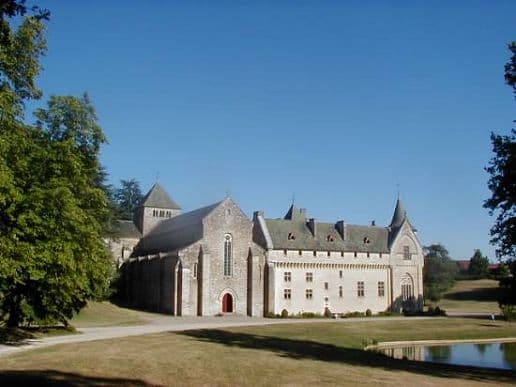
Abbey of Loc-Dieu
Abbey of Loc-Dieu is a Cistercian abbey situated in Aveyron, France, founded in 1123 on a site historically known as "devil's place" before being renamed "place of God" by its monastic inhabitants. Despite facing destruction and rebuilding, it became a significant Gothic architectural site and, during World War II, served as a safe haven for artworks from the Louvre, including the Mona Lisa. Today, the abbey and its park are open to the public.

Cadouin Abbey
Cadouin Abbey was a Cistercian monastery founded in 1115 as a hermitage. It rose to prominence as a major pilgrimage site due to its possession of a relic believed to be the Sudarium of Christ, attracting significant prestige and wealth. The abbey was dissolved during the French Revolution in 1791, with its assets looted and library destroyed, though its church still remains.