
Abbey of Saint-Florent
The Abbey of Saint-Florent, located near Saumur, France, was a Benedictine monastery founded in the 11th century. It succeeded an earlier abbey abandoned due to Viking raids and was dedicated to Saint Florent of Anjou. Following its dissolution during the French Revolution, most of its buildings were destroyed, though remaining structures were later recognized as historical monuments.
Key Facts
- ›Founded in the 11th century as a successor to an abbey abandoned during Viking raids.
- ›Dedicated to Saint Florent of Anjou, a local saint.
- ›Most of its monastic buildings were destroyed after the French Revolution.
- ›Remaining structures were listed as historical monuments in the 1960s and 1970s.
- ›Its history is intertwined with the Counts of Blois and Anjou.

- Remaining Structures Listed As Historical Monuments
Saint-Florent-LèS-Saumur, Saint-Florent-Le-Jeune
Absalon, Theobald I, Count of Blois, Foulques Nerra, Count of Anjou, Louis Xi
- Successor To An Abbey Abandoned During Viking Raids
- Given To Monks By Theobald I, Count of Blois
- Acquired By Foulques Nerra, Count of Anjou, In 1026
- Transformed Into A Fortress During the Hundred Years' War
- Relics of Saint Florent Transferred In 1480 By Order of King Louis Xi
- Dissolved and Buildings Destroyed During the French Revolution
About Abbey of Saint-Florent
The Abbey of Saint-Florent, also known as Saint-Florent-lès-Saumur or Saint-Florent-le-Jeune, was a significant Benedictine monastery located near Saumur in the Anjou region of France. Its origins trace back to the 11th century, serving as the successor to an earlier abbey that had been abandoned due to Viking incursions. The abbey was dedicated to Florent of Anjou, a local saint, and its history is interwoven with the powerful Counts of Blois and Anjou.
History and Significance
The foundation narrative, though possibly legendary, suggests a monk named Absalon arrived with relics of Saint Florent and was granted land by Theobald I, Count of Blois, to establish a new monastic community. This new foundation in Saumur, later developing on the left bank of the Thouet River, became a prominent Benedictine establishment. The monastery faced periods of turmoil, notably during the Hundred Years' War, when it was fortified and used as a defensive post. A significant event in its later history was the transfer of the relics of Saint Florent in 1480, arranged by King Louis XI.
Later Period and Legacy
The Abbey of Saint-Florent experienced a dramatic decline following the French Revolution. Most of its monastic buildings were demolished during the 19th century. However, the surviving remnants of the abbey were recognized for their historical importance and were listed as historical monuments in 1964 and 1973, preserving what little remains of this once-flourishing religious institution.
Source: Wikipedia ↗
Frequently Asked Questions
When was the Abbey of Saint-Florent founded?
While legends place an earlier settlement, the Abbey of Saint-Florent near Saumur was definitively founded in the 11th century. This was after its predecessor was abandoned due to Viking raids.
What is the religious tradition of the Abbey of Saint-Florent?
The Abbey of Saint-Florent was a Benedictine monastery. It followed the Benedictine monastic tradition.
What happened to the Abbey of Saint-Florent after the French Revolution?
Following its surrender during the French Revolution, the majority of the monastic buildings were demolished in the 19th century. The surviving parts were later designated as historical monuments.
Who is the Abbey of Saint-Florent dedicated to?
The abbey is dedicated to Florent of Anjou, a local saint. He is also known as Saint Florent.
Related Monasteries
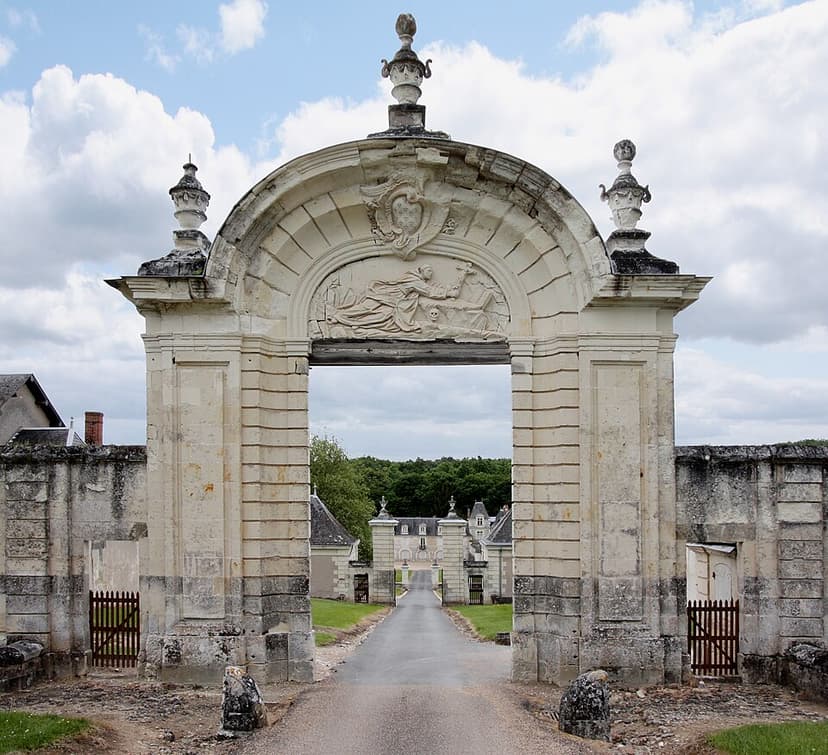
Le Liget Charterhouse
Le Liget Charterhouse was a Carthusian monastery founded in 1178 in Touraine, France, by King Henry II of England, possibly as penance for the murder of Thomas Becket. Despite significant destruction during the Hundred Years' War and French Wars of Religion, and later demolition during the French Revolution, parts of the medieval structures remain. These remnants, including the Corroirie gate, chapel, and prison, are registered as historical monuments, preserving a glimpse into the monastery's past.

Cormeilles Abbey
Cormeilles Abbey was a Benedictine monastery founded around 1060 by William Fitzosbern and Adeliza de Tosny in Normandy, France. Endowed with lands in England after the Norman Conquest, it played a significant role, with its founder even being buried there. Despite periods of reconstruction, the abbey was suppressed in 1779, and today its buildings are almost entirely destroyed, with only a few remnants surviving.

Congregation of La Chaise-Dieu
The Congregation of La Chaise-Dieu, originally a Benedictine abbey, was founded in 1043 by Robert de Turlande in a wilderness area of south-central France. It rapidly grew into a significant religious center, serving as the motherhouse for numerous other congregations and housing a large community of monks. Although secularized during the French Revolution, its grand abbey church, tomb of Pope Clement VI, and cloister remain, featuring a notable fresco of the Dance of Death.