
La Crête Abbey
La Crête Abbey was a Cistercian monastery founded in 1121 in Bourdons-sur-Rognon, France. It played a significant role in establishing several daughter houses across Europe. The abbey was suppressed and largely demolished during the French Revolution in 1791, with only a few structures like the chapter house and gatehouse surviving.
Key Facts
- ›Founded in 1121 as the second daughter house of Morimond Abbey.
- ›Successfully established multiple daughter monasteries, including Les Vaux-en-Ornois and Matallana.
- ›Suppressed and mostly demolished during the French Revolution in 1791.
- ›Surviving structures include the chapter house and a gatehouse from 1715.
- ›Located in the commune of Bourdons-sur-Rognon in the Haute-Marne Département of France.

Chapter House, Gatehouse
Abbaye De La CrêTe, La Chreste
Simon De Clefmont
Suppression During the French Revolution
About La Crête Abbey
La Crête Abbey, also known by its French name Abbaye de La Crête and historically as La Chreste, was a significant Cistercian monastery located in the commune of Bourdons-sur-Rognon in the Haute-Marne département of France. Founded in 1121 by Simon de Clefmont, it was the second daughter house established by Morimond Abbey. This foundation followed an earlier, unsuccessful attempt at establishing a monastery at a site now known as La Vieille-Crête.
Foundation and Expansion
The early years of La Crête Abbey saw a period of considerable activity and growth. The monks were instrumental in establishing several other monasteries, demonstrating the order's expansive influence during the medieval period. Among its most notable foundations were Les Vaux-en-Ornois in Saint-Joire (1130), Saint-Benoît-en-Woëvre (1132), Les Feuillants (1145), and Matallana in Villalba de los Alcores (1173). These foundations highlight La Crête Abbey's role as a mother house within the Cistercian network.
Suppression and Legacy
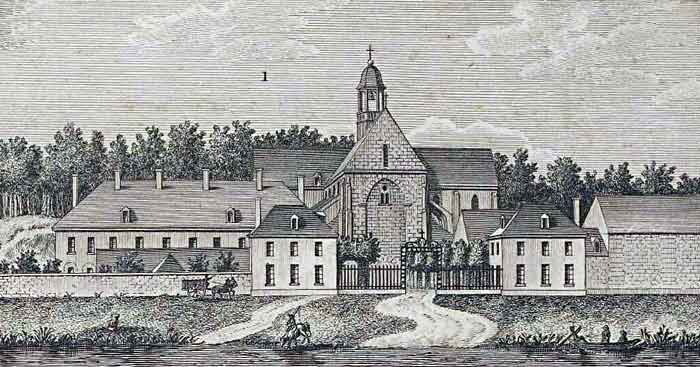
La Crête Abbey's operational history came to an abrupt end in 1791 during the French Revolution. The revolutionary government ordered the suppression of monastic orders, leading to the demolition of most of the abbey's church and conventual buildings. Consequently, very little of the medieval monastic complex remains today. Historical records and a plan from 1705 indicate the original layout, but only the chapter house and a gatehouse constructed in 1715 are known to have survived the destruction. These remnants offer a glimpse into the abbey's past, though its once-substantial structures are now largely lost to history.
Source: Wikipedia ↗
Frequently Asked Questions
When was La Crête Abbey founded?
La Crête Abbey was founded in the year 1121. This was its second attempt at establishment, following a prior failed foundation in 1118.
What religious order was La Crête Abbey a part of?
La Crête Abbey belonged to the Cistercian order. It was established as a daughter house of Morimond Abbey, another significant Cistercian institution.
What remains of La Crête Abbey today?
Little of the original medieval structures remains, as most were demolished during the French Revolution. However, the chapter house and a gatehouse dating from 1715 have survived.
Did La Crête Abbey establish other monasteries?
Yes, La Crête Abbey was very active in founding new monasteries. It established several daughter houses, including Les Vaux-en-Ornois, Saint-Benoît-en-Woëvre, Les Feuillants, and Matallana.
Where is La Crête Abbey located?
La Crête Abbey is situated in the commune of Bourdons-sur-Rognon, within the département of Haute-Marne in France.
Related Monasteries

Abbaye Blanche
The Abbaye Blanche was a Benedictine nunnery founded in 1112 in Mortain, France, by Saint Vitalis. It was established for women with his sister, Adelina, as its first abbess. The community followed a strict interpretation of the Rule of Saint Benedict and later joined the Cistercian order in 1147. Though much has been lost to time, remnants of its Romanesque and Early Gothic architecture endure.
Barbeau Abbey
Barbeau Abbey was a Cistercian monastery founded in 1147 by King Louis VII of France. Located in Fontaine-le-Port, Seine-et-Marne, it was a site of royal burial and experienced periods of prosperity and destruction throughout its history, including the Hundred Years' War and the French Revolution. Today, few original structures remain, with a riding school occupying the former site.

Bellevaux Abbey
Bellevaux Abbey was a Cistercian monastery established in 1120 in Franche-Comté, France, by Pons de Morimond. It was a significant religious house, connected to local nobility and notable figures like Burchard of Bellevaux and Peter of Tarentaise. Though suppressed in 1790 and largely demolished shortly after, its history includes periods of destruction and rebuilding, with the final structures erected by Abbot Louis Albert de Lezay-Marnésia. The site later housed a Trappist community before being sold to private owners.