
Kumanica Monastery
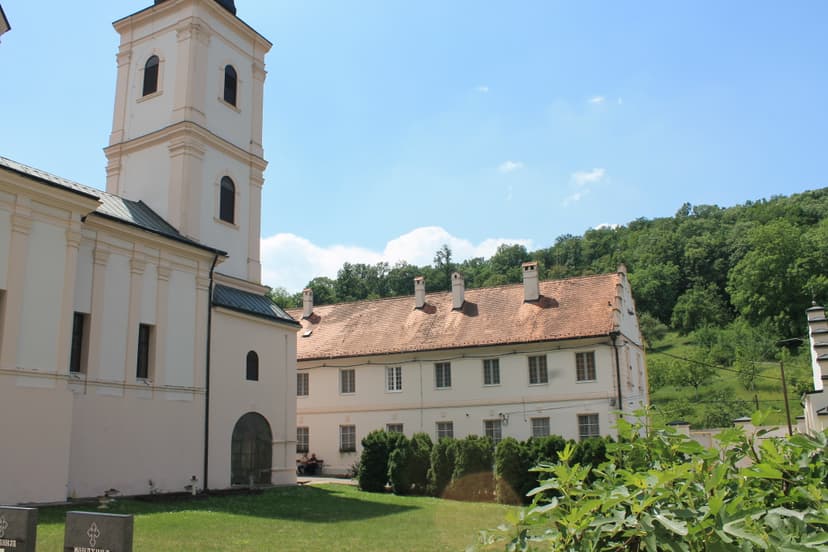
Kumanica Monastery, belonging to the Serbian Orthodox Church, is located in Vrbnica, Serbia, near the border with Montenegro. Though first mentioned in 1514 and experiencing significant decline and ruin by the late 18th century, it was restored and reconsecrated in 2000. The monastery is an immovable cultural asset and a significant site for religious gatherings, particularly on July 26th.
Key Facts
- ›First written mention of the monastery dates back to 1514.
- ›The monastery experienced collapse and neglect in the second half of the 18th century.
- ›Its relics of St. Gregory and St. Haralampie were controversially divided and sold.
- ›Restored and reconsecrated on November 12, 2000.
- ›Houses the relics of St. Grigorije of Kumanica.
- ›Tens of thousands of believers gather for its summer assembly on July 26th.

Relics of St. Grigorije of Kumanica, Site of Major Annual Religious Gathering
St. Grigorije of Kumanica, St. Haralampie
- First Written Mention In 1514
- Collapse and Neglect In the Second Half of the 18th Century
- Relics Removed In the Second Half of the 18th Century
- Found In Ruins By Aleksandar Deroko In 1926
- Partial Restoration During Railway Construction In 1971
- Restored and Reconstructed In 2000
- Reconsecrated On November 12, 2000
About Kumanica Monastery
The Kumanica Monastery is a significant religious site belonging to the Eparchy of Mileševa of the Serbian Orthodox Church. Situated in the village of Vrbnica within the municipality of Sjenica, Serbia, it lies in the scenic valley of the river Lim, close to the border with Montenegro. The monastery is recognized as an immovable cultural asset and a cultural monument.
History and Significance
The earliest written record of Kumanica Monastery dates back to 1514. While parts of its original structures suggest a foundation between the late 13th and mid-15th centuries, the exact dating of the initial church is complicated by later destruction, particularly during the construction of a railway line. Historical accounts indicate the monastery's golden age was likely in the latter half of the 16th and throughout the 17th centuries. However, by the second half of the 18th century, Kumanica experienced a period of collapse and neglect. During this time, its holy relics, including those of St. Gregory and St. Haralampie, were controversially removed and subsequently divided and sold.
In the 20th century, efforts were made to preserve and restore the site. Architect Aleksandar Deroko documented the monastery's ruins in 1926, and further work was conducted during railway construction in 1971. The monastery was ultimately restored and reconstructed, culminating in its reconsecration on November 12, 2000. Today, Kumanica Monastery is a vital spiritual center, drawing tens of thousands of believers for its annual summer assembly held on July 26th.
Dedication and Relics
Kumanica Monastery is dedicated to the Holy Gabriel. It is known to house the relics of St. Grigorije of Kumanica. While historical records mention him as a "Serbian educator and former archbishop," with some tradition linking him to the Nemanjić dynasty, such claims are not historiographically confirmed and are often considered legendary.
Name Origin
The etymology of the name "Kumanica" is subject to various interpretations. Some theories propose it derives from monks who sought refuge there from Kumanovo, or from the ethnic groups known as Cumans or Bulgars. The most widely accepted opinion connects the toponym to the feudal Kumanci or Kumaničići family, who originated from the region and were later documented in the area of Rudnik.
Source: Wikipedia ↗
Frequently Asked Questions
When was Kumanica Monastery first mentioned in historical records?
The first written mention of Kumanica Monastery dates back to 1514, appearing in two places within the Kruševo document. This indicates its existence as an established religious site by the early 16th century.
What is the current status of Kumanica Monastery?
Kumanica Monastery was restored and reconsecrated on November 12, 2000. It is recognized as an immovable cultural asset and a cultural monument.
What happened to the relics of St. Gregory and St. Haralampie from Kumanica?
In the second half of the 18th century, the holy relics of St. Gregory and St. Haralampie were taken from the monastery. They were eventually cut into pieces and sold after negotiations for their safekeeping failed.
What is the significance of the summer assembly at Kumanica Monastery?
The summer assembly, held as part of the monastery's celebration on July 26th, draws tens of thousands of believers. This event highlights the monastery's continued importance as a spiritual center.
What are the possible origins of the name Kumanica Monastery?
The origin of the name is not definitively clear. Theories suggest it may come from monks fleeing Kumanovo, from the name of the Cumans or Bulgars, or most widely from the feudal family Kumanci or Kumaničići who were prominent in the region.
Related Monasteries

Gyantse Palkor Chöde Monastery
Gyantse Palkhor Chöde Monastery, also known as Palcho Monastery or Pelkor Chode Monastery, is a significant monastic complex situated in Gyantse, Tibet. Established between the 14th and 15th centuries, it features a unique architectural synthesis of Tibetan, Han, and Nepali styles. The monastery is renowned for its Kumbum, a large stupa containing 108 chapels, and the Tsuklakhang Monastery, its main temple, which houses numerous murals and statues.
Beočin Monastery
Beočin Monastery is a Serbian Orthodox monastery situated on Fruška Gora mountain in Vojvodina, Serbia. While its exact founding date is unknown, it was first documented in 1566/1567. The monastery has undergone significant reconstruction, particularly between 1732 and 1740 for its church and in 1762 for its bell tower, and was declared a Monument of Culture of Exceptional Importance in 1990.

Berkasovo Monastery
The Berkasovo Monastery, dedicated to Saint Petka Trnovska, is a Serbian Orthodox monastery situated near the village of Berkasovo in Serbia's Srem region. Established as a monastery on August 8, 2008, its current church was founded in the latter half of the 19th century, built around a sacred spring believed to possess healing properties. Historically, the area was significant, with mentions of a fortified town in the possession of notable figures like Vuk Grgurević and Jovan Branković.