
Krepičevac Monastery
Serbian Orthodox·Serbia·active (served by parish priests)·15th-16th century
Krepičevac Monastery, also known as Crnorečki Monastery, is a Serbian Orthodox monastery dedicated to the Dormition of the Mother of God. Founded in the late 15th or early 16th century, it played a role in the resistance against the Turks during the First Serbian Uprising. The monastery is recognized for its valuable fresco paintings, particularly the founder's composition, and its architecture, influenced by the Morava school.
Key Facts
- ›Belongs to the Eparchy of Timok of the Serbian Orthodox Church.
- ›Dedicated to the Dormition of the Mother of God.
- ›Founded in the late 15th or early 16th century by prefect Georgije.
- ›Features valuable fresco paintings dating to the first half of the 16th century.
- ›Architecture is influenced by the Morava architectural school.
- ›Participated in the fight against the Turks during the First Serbian Uprising.
Morava Architectural School
- Fresco Paintings From the First Half of the 16th Century
- Founder's Composition With Prefect Georgije, His Wife Zora, and Son Manojlo
- Rosette Made of White Marble With Floral Ornament
- Recessed Space In the Southern Wall of the Nave, Possibly the Grave of Old Man Joseph
CrnorečKi Monastery
Prefect Georgije, Zora, Manojlo, Radul Bey, Hajduk Veljko, Prince Milisav, Hieromonk Akaki, Abbess Angelina LičAnin
- Resistance Against the Turks During the First Serbian Uprising
- Relocation of Nuns and Novices From KuvežDin Monastery In 1930
About Krepičevac Monastery
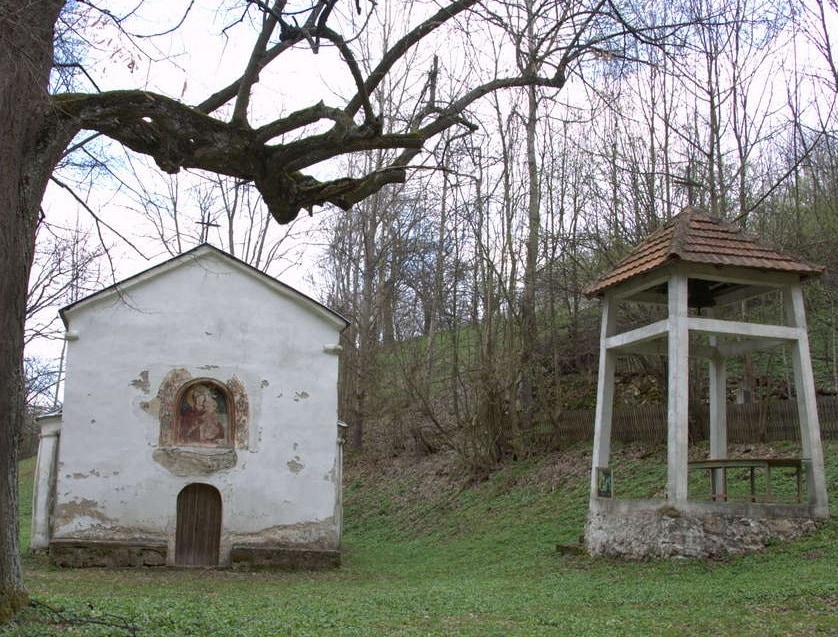
Krepičevac Monastery, also referred to as Crnorečki Monastery, is a Serbian Orthodox religious site located in the gorge of the Radovan river, four kilometers north of the village of Jablanica in Serbia. It falls under the jurisdiction of the Eparchy of Timok and is dedicated to the Dormition of the Mother of God.
History and Significance
The monastery's construction is attributed to the late 15th and early 16th centuries, with prefect Georgije, son of Jan, identified as its founder. Historical records concerning Krepičevac Monastery are sparse, though it is noted as being active in 1761 and 1780. The monastery is believed to have shared founders with the nearby Lapušnja Monastery, given their close construction timelines. During the First Serbian Uprising, Krepičevac, alongside the monastery in Grliste, was a significant site in the resistance against Ottoman forces. In 1930, the monastery received six nuns and seven novices from the Kuveždin Monastery. Abbess Angelina Ličanin, who significantly contributed to the monastery's restoration by selling her properties in Belgrade to fund the construction of a dormitory for the sisters, was buried at the monastery gate in 1969.
Architecture and Artistry
The monastery church is built on the foundations of an older church and features a small structure with a trefoil base, reflecting the architectural influences of the Morava school. The building is constructed from stone and has been plastered. The fresco painting within Krepičevac Monastery is highly regarded, contributing to its recognition as a significant cultural monument. The surviving frescoes, dating from the first half of the 16th century, include a rare medieval foundational composition on the northern wall of the chancel, depicting the founder and his family in rich, period attire. The founder's wife, Zora, is particularly noted for her portrayal as intelligent and courageous. Figures of saints such as Archangel Michael, Pachomius the Great, Constantine and Helena, and Mary of Egypt are depicted in the lower zone of the church interior. The vestibule contains scenes from the lives of Christ and the Virgin Mary, with the 'Escape to Egypt' being a notable composition. Fragments of frescoes on the western facade suggest that the exterior of the monastery was also painted. The artistic merit is further enhanced by a white marble rosette, adorned with shallow floral ornamentation, which is thought to have been located near the pulpit and shares similar ornamentation with that found in the Ovčar-Kablar monasteries. A recessed space in the southern wall of the nave is believed to be the final resting place of old man Joseph, one of the Sinaiites from the late 14th century.
Renewals and Current Status
While the exact reasons and timing of its abandonment are not documented, Krepičevac Monastery underwent restoration in 1679 and again in the 18th century by Prince Golub from Jablanica. Currently, the monastery does not house a resident monastic community and is tended to by parish priests.
Source: Wikipedia ↗
Frequently Asked Questions
When was Krepičevac Monastery founded?
The monastery is considered to have been founded between the end of the 15th century and the beginning of the 16th century. The founder is believed to be prefect Georgije, son of Jan.
Who is Krepičevac Monastery dedicated to?
Krepičevac Monastery is dedicated to the Dormition of the Mother of God.
What is notable about the art within Krepičevac Monastery?
The fresco-painting within the monastery is considered very valuable, contributing to its status as an important cultural monument. The surface of the remaining fresco painting dates from the first half of the 16th century and includes a rare medieval foundational composition.
What is the architectural style of Krepičevac Monastery?
The church of the monastery was built on the site of an older church and has a small building with a trefoil base. Its architecture was created under the influence of the Morava architectural school.
What was the role of Krepičevac Monastery during Serbian uprisings?
Along with the monastery in Grliste, Krepičevac Monastery is noted as one of the most persistent places in the fight against the Turks during the First Serbian Uprising.
Is Krepičevac Monastery currently inhabited?
Today, there are no residents at Krepičevac Monastery. It is served by parish priests.
Related Monasteries
Beočin Monastery
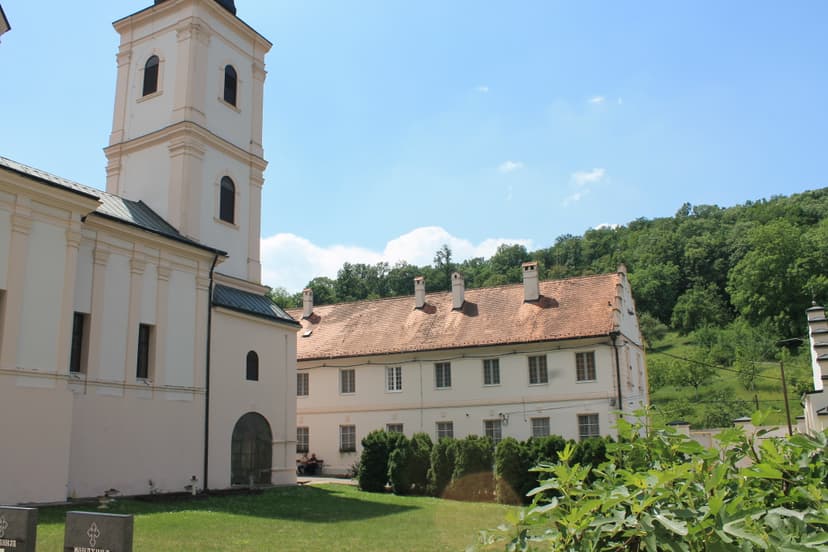
Beočin Monastery is a Serbian Orthodox monastery situated on Fruška Gora mountain in Vojvodina, Serbia. While its exact founding date is unknown, it was first documented in 1566/1567. The monastery has undergone significant reconstruction, particularly between 1732 and 1740 for its church and in 1762 for its bell tower, and was declared a Monument of Culture of Exceptional Importance in 1990.

Berkasovo Monastery
The Berkasovo Monastery, dedicated to Saint Petka Trnovska, is a Serbian Orthodox monastery situated near the village of Berkasovo in Serbia's Srem region. Established as a monastery on August 8, 2008, its current church was founded in the latter half of the 19th century, built around a sacred spring believed to possess healing properties. Historically, the area was significant, with mentions of a fortified town in the possession of notable figures like Vuk Grgurević and Jovan Branković.

Bođani Monastery
Bođani Monastery is the oldest Serbian Orthodox monastery in the Bačka region of Vojvodina, Serbia, founded in 1478. According to tradition, it was established by a merchant named Bogdan who regained his sight after washing in a local spring. The monastery has undergone numerous reconstructions due to damage from wars, fires, and floods, with the current church dating to 1722. It is renowned for its Baroque architecture and extensive frescoes by Hristofor Žefarović, which are considered a significant contribution to Serbian art.