
Kirti Gompa
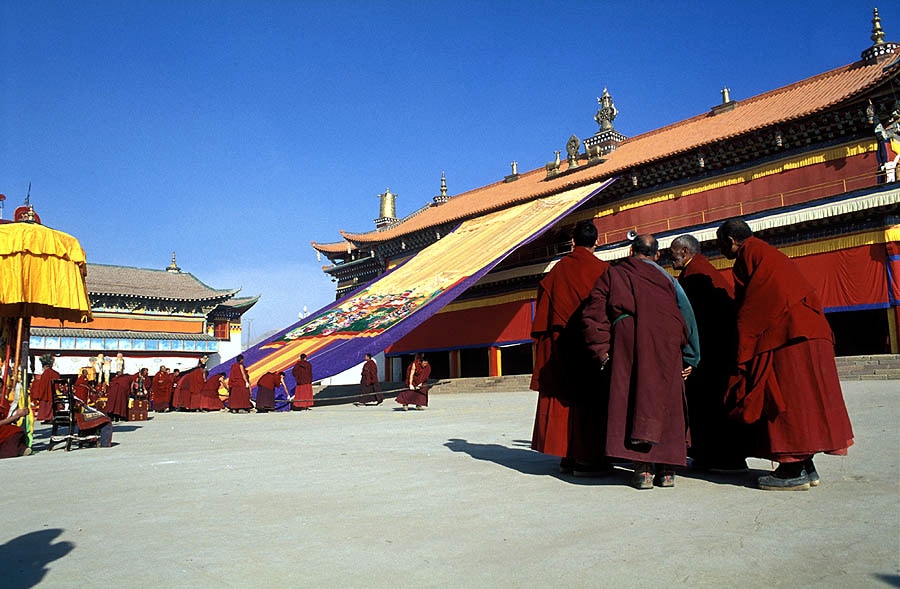
Kirti Gompa is a significant Tibetan Buddhist monastery founded in 1472 in Ngawa, Sichuan province, traditionally part of the Amdo region. Historically a large monastic center, it has faced severe repression from Chinese authorities, including mass arrests and patriotic re-education programs, leading to a drastic reduction in its monk population. The monastery gained international attention as the site where a wave of Tibetan self-immolations began in protest against Chinese rule.
Key Facts
- ›Founded in 1472 by Rongpa Chenakpa, a disciple of Tsongkhapa.
- ›Located in Ngawa, Sichuan province, China, traditionally part of the Amdo region.
- ›Historically housed around 2,500 monks, but numbers were reduced to 600 by 2011 due to Chinese government actions.
- ›The site of the first Tibetan self-immolation in protest against Chinese rule in 2009.
- ›Houses several colleges, including Dialectical, Tantric, Medical, and Kalacakra colleges.
- ›Features a 30-meter-high white chorten known as the Dudul Chorten.
- Statue of Shakyamuni Buddha Outside the North Wall
- Tensi Dratsang
- Statue of Maitreya
- Chokhang
- Lhabrang
- Zhungkhang
- Gyupa Dratsang
- Menpa Dratsang
- Dukhor Dratsang
- Dudul Chorten
Kirti Kalari Gon Tashi Lhundrub, Ge’Erdengsi, Gerdeng Monastery
Rongpa Chenakpa, Tsongkhapa, 11th Kirti Tsenzhab Rinpoche, 12th Kirti Rinpoche
- Founding In 1472
- Destruction and Rebuilding of Taktsang Lhamo During the Cultural Revolution
- Establishment of A Kirti Monastery In Dharamsala, India In 1990
- Mass Arrests and Patriotic Re-Education Programs Starting Around 2008
- Beginning of the Wave of Tibetan Self-Immolations In 2009
About Kirti Gompa
Kirti Gompa is a historically significant Tibetan Buddhist monastery situated in Ngawa, Sichuan province, China, though traditionally considered part of the Amdo region. Founded in 1472 by Rongpa Chenakpa, a disciple of the esteemed Lama Tsongkhapa, it established itself as a prominent religious and educational institution within the Gelugpa tradition.
History and Significance
The monastery's origins trace back to 1472, with Rongpa Chenakpa establishing it as a spiritual center. Over centuries, Kirti Gompa grew to become a major monastic complex, housing numerous colleges for advanced Buddhist studies, including dialectical, tantric, medical, and Kalacakra studies. It is known for its impressive architecture, including a large Assembly Hall and a towering 30-meter white chorten known as the Dudul Chorten. Historically, it was a substantial community, with records indicating it housed around 2,500 monks as of March 2011.
Recent Events and Repression
In recent years, Kirti Gompa has been at the center of international attention due to severe repression by Chinese authorities. Beginning around 2008, the monastery experienced mass arrests, forced patriotic re-education programs, and increased surveillance, drastically reducing its monk population to an estimated 600 by October 2011. Tragically, Kirti Gompa became the origin point for a wave of self-immolations by monks and nuns protesting Chinese rule, human rights abuses, and restrictions on religious freedom. These events have led to a highly sensitive and controlled environment around the monastery, with its spiritual practices and community life significantly impacted.
Source: Wikipedia ↗
Frequently Asked Questions
When was Kirti Gompa founded?
Kirti Gompa was founded in 1472 by Rongpa Chenakpa, a disciple of the renowned Tibetan Buddhist master Tsongkhapa. It was established as a branch of Taktsang Lhamo Kirti Gompa.
Where is Kirti Gompa located?
The monastery is located in Ngawa, Sichuan province, China. It sits on the Tibetan Plateau at an elevation of 3,200 meters (10,499 ft.) and is the largest Tibetan Monastery in Ngawa Town.
What is the current status of Kirti Gompa?
Kirti Gompa is an active monastery, though it has been under intense scrutiny and control by Chinese authorities since 2008. This has led to mass arrests, patriotic re-education programs, and a significant decrease in its monk population.
Why is Kirti Gompa known in recent history?
Kirti Gompa became a focal point of Tibetan protests against Chinese rule, notably being the location where a series of self-immolations by monks and nuns began. These acts were protests against restrictions on human rights and religious freedom.
What are some notable structures within Kirti Gompa?
The monastery features an imposing Assembly Hall with 120 pillars, housing a large statue of Maitreya. It is also famous for its 30-meter-high white chorten, the Dudul Chorten, which contains numerous chapels dedicated to various Buddhist figures and deities.
Related Monasteries

Dorje Drak
Dorje Drak, also known as Indestructible Rock Vihara, is a significant Tibetan Buddhist monastery of the Nyingma school, recognized as one of its 'Six Mother Monasteries' in Tibet. Originally founded as Ewam Chogar Gompa, it was enlarged and renamed Dorje Drak following the discovery of auspicious natural signs. The monastery has a history marked by destruction and rebuilding, most notably its relocation in 1632 and subsequent destruction during the 1960s, leading to a new foundation in India.

Sanga Monastery
Sanga Monastery is a Tibetan Buddhist monastery situated in the old city of Dagzê, Lhasa, Tibet. Founded in 1419 by Je Tsongkhapa, it belongs to the Gelug sect and was once home to one hundred monks. Although it suffered destruction during the Cultural Revolution, the monastery was reopened after repairs in 1986 and continues to house a monastic community.
Tashilhünpo
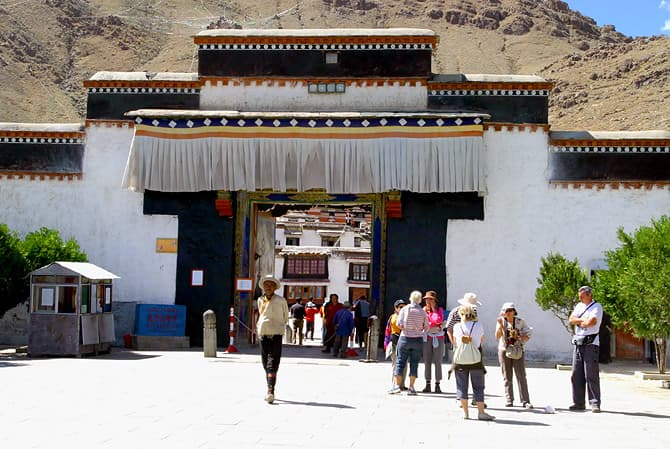
Tashilhünpo Monastery, meaning "all fortune and happiness gathered here," is a historically and culturally significant Tibetan Buddhist monastery in Shigatse. Founded in 1447 by the 1st Dalai Lama, it serves as the traditional monastic seat of the Panchen Lama, the second-highest tulku lineage in the Gelug tradition. Despite significant destruction during the Chinese Cultural Revolution, the monastery has undergone restoration and remains a vital center for Tibetan Buddhism.