
Karma Gön Monastery
Tibetan Buddhism·China·Partially ruined, with some surviving buildings and active retreat centers·12th century
Karma Gön Monastery, the original seat of the Karma Kagyu sect of Tibetan Buddhism, was founded in the 12th century by the 1st Karmapa Lama, Düsum Khyenpa. Located in eastern Tibet, it served as the cradle for the Karma Kagyu lineage and was a significant administrative and religious center. Although much of its historical structures and treasures were lost during the Cultural Revolution, efforts have been made towards its preservation and restoration, with some older buildings and retreat centers remaining.
Key Facts
- ›Founded in the 12th century by Düsum Khyenpa, the 1st Karmapa Lama.
- ›Original monastery of the Karma Kagyu sect of Tibetan Buddhism.
- ›Historically housed a large assembly hall with 12 chapels and significant murals.
- ›Suffered destruction during the Cultural Revolution, but some old buildings survive.
- ›The monastery's jurisdiction was expanded by the Chinese Ming Court.
- ›Features a synthesis of Tibetan, Naxi, and Chinese architectural styles.
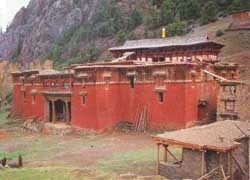
Tibetan, Naxi, Chinese
- Hundred-Pillar Assembly Hall
- Magnificent Murals
- Gilded Brass Images of 'Buddhas of the Three Times'
- Central Image of Shakyamuni Buddha On A Sandalwood Throne
- Ancient Stupas Containing Relics of the First Karmapa and Others
- Chapel Containing the Gilded Stupa of Karma Pakshi
- New Monastic College
- Ruined Hermitages
- Active Retreat Centers
Karma Gon, Karma Dansa, Gama Si, GáMǎ Sì
DüSum Khyenpa, Karma Pakshi, ChöDzin Gemphel, Deshin Shekpa, Chokyi Gyaltsen, Tashi Namgyal, Tashi Paljor, Chokyi Gocha, Situ Tashi Paljor, Wangchuk Dorje, Miko Dorje, Chokyi Jungne, Chokgyur Lingpa, Karma Rinchen Dhagye
- Founded By the 1st Karmapa Lama.
- Karma Pakshi Ensured the Restoration of the Monastery.
- Most Structures and Treasures Destroyed During the Cultural Revolution.
- Restoration Efforts Undertaken By the Government of the People's Republic of China and the Tibet Autonomous Region.
About Karma Gön Monastery
Karma Gön Monastery stands as the original and foundational seat of the Karma Kagyu sect within Tibetan Buddhism. Its establishment in the 12th century by Düsum Khyenpa, the 1st Karmapa Lama, marked a pivotal moment for this major school of Tibetan Buddhism. Situated on the eastern bank of the Dzachu River in Chamdo, eastern Tibet, the monastery was not only a spiritual center but also an administrative hub, named Karma Dansa and recognized by the Chinese Ming Court which expanded its jurisdiction.
History and Development
The monastery played a crucial role in the lineage of the Karmapas and the Tai Situpas, influential figures in identifying Karmapa incarnations. Figures such as the 1st Situ, Chokyi Gyaltsen, and subsequent Situpas were instrumental in the monastery's development, notably in creating a significant library and embellishing its walls with art. The monastery was also a place of spiritual practice and learning, with historical accounts detailing the activities of monks and scholars within its walls. During the 13th century, Karma Pakshi, the 2nd Karmapa, is credited with overseeing a complete restoration of the monastery during his time there.
Architecture and Legacy
Historically, Karma Gön boasted a hundred-pillar Assembly Hall, one of Tibet's largest, which contained numerous chapels and magnificent murals depicting Buddhist deeds and historical scenes. The surviving structures showcase a blend of Tibetan, Naxi, and Chinese architectural influences, reflecting its historical connections and reach. While the Cultural Revolution led to the destruction of many of its treasures, including valuable paintings and carvings, some older buildings and important retreat centers dedicated to specific practices remain. Extensive restoration programs have been initiated by the Chinese government and the Tibet Autonomous Region to preserve what remains of this historically significant monastic site.
Source: Wikipedia ↗
Frequently Asked Questions
When was Karma Gön Monastery founded?
Karma Gön Monastery was founded in the 12th century by Düsum Khyenpa, the 1st Karmapa Lama. Some sources suggest the founding date as 1184.
What is the significance of Karma Gön Monastery?
It is the original monastery of the Karma Kagyu sect of Tibetan Buddhism and served as the cradle for this lineage. It was a major administrative and religious center in eastern Tibet.
What happened to Karma Gön Monastery during the Cultural Revolution?
Most of the monastery's treasures, including rare paintings and carvings, were reportedly destroyed during the Cultural Revolution by the communist regime. However, a few old buildings have survived.
What architectural styles can be seen at Karma Gön Monastery?
The surviving buildings at Karma Gön Monastery exhibit a remarkable synthesis of Tibetan, Naxi (Jang), and Chinese architectural styles, indicating the monastery's broad cultural influence.
Are there active retreat centers associated with Karma Gön Monastery?
Yes, there are two active retreat centers located above the monastery, dedicated to the practices of Chodruk and Dorje Drolo.
Related Monasteries

Katok
Katok Monastery, founded in 1159, is a significant "Mother Monastery" of the Nyingma school of Tibetan Buddhism, located in the Kham region of Tibet. It is renowned for its scholarship, its role in preserving the Anuyoga tradition, and its historical influence on the spread of Nyingma monasticism. The monastery's name originates from a sacred rock at its founding site, meaning "on top of the ka".

Tsurphu
Tsurphu Monastery, also known as Tölung Tsurphu, is the historical seat of the Karmapa, the head of the Karma Kagyu lineage of Tibetan Buddhism. Founded in the 12th century, it served as a prominent monastic center until its destruction during the Cultural Revolution. Although rebuilt, it continues to hold significant spiritual importance and was the residence of the 17th Karmapa before his departure to India.

Dorje Drak
Dorje Drak, also known as Indestructible Rock Vihara, is a significant Tibetan Buddhist monastery of the Nyingma school, recognized as one of its 'Six Mother Monasteries' in Tibet. Originally founded as Ewam Chogar Gompa, it was enlarged and renamed Dorje Drak following the discovery of auspicious natural signs. The monastery has a history marked by destruction and rebuilding, most notably its relocation in 1632 and subsequent destruction during the 1960s, leading to a new foundation in India.