
Jervaulx Abbey
Jervaulx Abbey was a significant Cistercian monastery located in North Yorkshire, England, founded in 1145 and dedicated to St Mary in 1156. At its peak, it was a major landowner and renowned for horse breeding and the original production of Wensleydale cheese. The abbey was dissolved in 1537, and its last abbot was executed for his role in the Pilgrimage of Grace. Today, the extensive ruins are a Grade I listed building and are open to the public.
Key Facts
- ›Founded in 1145 as a Savigniac foundation, later becoming Cistercian.
- ›Moved to its final site on the River Ure in 1156.
- ›Dedicated to St Mary.
- ›Once owned half of the valley and was known for horse breeding and Wensleydale cheese production.
- ›Dissolved in 1537, with the last abbot executed.
- ›The ruins are a Grade I listed building and remain part of a picturesque garden landscape.
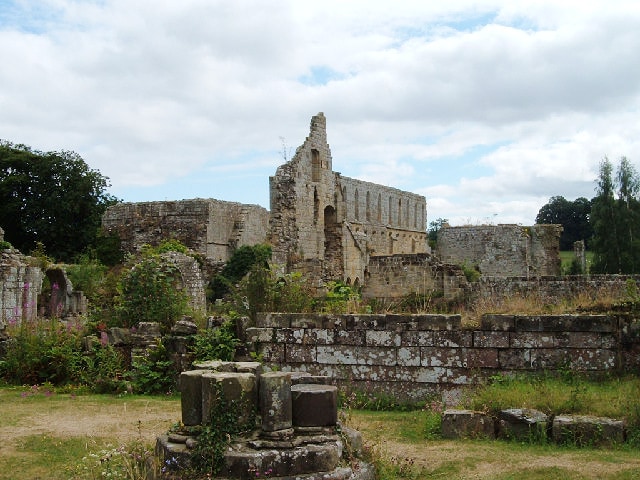
Cistercian Gothic
- Part of the Church and Claustral Buildings
- Watermill
- South-West Door
- Side Altar With Consecration Crosses
- Chapter House Columns
- Grand Arched Doorway
- Dormitory Undercroft
- Reredorter Drainage Channel
- Infirmary Remains With Traceried Windows
- Monastic Meat Kitchen With Three Large Fireplaces
Abbey of Fors, Jervaulx, Charity
- Akarius Fitz Bardolph
- Peter De Quinciano
- Serlo, Abbot of Savigny
- Conan, Son of Alan, 1st Earl of Richmond
- Abbot Philip of Jervaulx
- Abbot Thomas
- Adam Sedbergh
- Matthew Stuart, 4th Earl of Lennox
- Margaret, His Wife
- Ernest Brudenell-Bruce, 3rd Marquess of Ailesbury
- S. Cunliffe Lister Esq.
- Major W. V. Burdon
- Mrs W. V. Burdon
- Ian Burdon
Founded In 1145, Moved To A New Site In 1156, Abbot Philip Murdered By A Monk In 1279, Dissolved In 1537, Last Abbot Adam Sedbergh Hanged In June 1537, Pilgrimage of Grace
About Jervaulx Abbey
Jervaulx Abbey is a significant Cistercian monastic ruin located in East Witton, North Yorkshire, England. Founded in 1145, originally as a Savigniac house, it was later absorbed by the Cistercian order from Burgundy and established on its final site in 1156, dedicated to St Mary. The abbey's name, derived from French for 'the Ure valley', reflects its location in what is now known as Wensleydale.
History and Significance
Initially established at Fors near Aysgarth, the monastery was moved due to difficulties and lack of support, eventually finding a more prosperous location on the banks of the River Ure. At its zenith, Jervaulx Abbey was a major economic force, owning a substantial portion of the valley. It gained renown for its horse breeding traditions, a practice that continues in the region, and is credited as the original home of Wensleydale cheese, made with ewes' milk.
The abbey experienced internal strife, including the murder of Abbot Philip by one of his monks in 1279. Its end came with the Dissolution of the Monasteries under Henry VIII. The last abbot, Adam Sedbergh, actively participated in the Pilgrimage of Grace, a popular uprising protesting the dissolution. His involvement led to his execution by hanging in 1537, after which the abbey's property was seized by the Crown.
Remains and Modern Day
Today, Jervaulx Abbey is a Grade I listed building, and its ruins are extensive. Unlike some other monastic ruins that have been cleared, Jervaulx's remains are integrated into a picturesque garden landscape. Notable surviving features include parts of the church, claustral buildings, a watermill, the elaborate south-west door, and the chapter house. The ruins also showcase one of the best-preserved monastic meat kitchens from the period. The site is open to the public, offering a tangible connection to England's monastic past.
Source: Wikipedia ↗
Frequently Asked Questions
When was Jervaulx Abbey founded?
Jervaulx Abbey was founded in 1145. It was originally a Savigniac foundation and later taken over by the Cistercian order.
Who founded Jervaulx Abbey?
The land for the monastery was given by Akarius Fitz Bardolph, Lord of Ravensworth, to Peter de Quinciano, a monk from Savigny. The foundation was later supported by Conan, son of Alan, 1st Earl of Richmond.
What was Jervaulx Abbey known for?
At the height of its prosperity, Jervaulx Abbey owned half of the valley and was renowned for breeding horses. It was also the original home of Wensleydale cheese, which was originally made with ewes' milk.
What happened to Jervaulx Abbey?
Jervaulx Abbey was dissolved in 1537 during the reign of Henry VIII. The last abbot, Adam Sedbergh, joined the Pilgrimage of Grace and was hanged, with the monastic property forfeited to the king.
What remains of Jervaulx Abbey today?
The standing ruins of Jervaulx Abbey are extensive and include parts of the church and claustral buildings, as well as a watermill. The ruins are unusual in that they have not been cleared of vegetation and remain part of a picturesque garden landscape.
Can I visit Jervaulx Abbey?
Yes, the ruins of Jervaulx Abbey are open to the public. They are a Grade I listed building and offer a glimpse into the history of Cistercian monastic life.
Related Monasteries

Ankerwycke Priory
Ankerwycke Priory was a small and relatively poor Benedictine nunnery established around 1160 in Buckinghamshire, England. Dedicated to St. Mary Magdalene, it held lands across several counties. Dissolved in 1536, its revenues were transferred to Bisham Abbey, and the priory site later saw the construction of a manor house. Today, only a small section of ruins remains, situated in Berkshire.
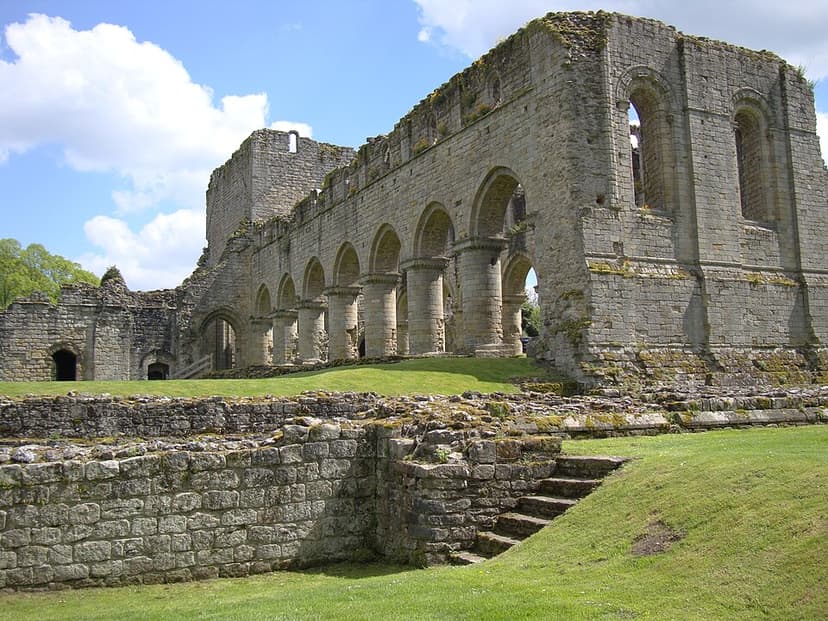
Buildwas Abbey
Buildwas Abbey was a significant Cistercian monastery in Shropshire, England, founded in 1135. It experienced periods of substantial growth and wealth, becoming a center of learning with a notable library. Despite facing challenges from economic crises and conflict, it played a role in royal administration, particularly concerning Ireland and Wales, before its suppression in 1536. Today, substantial remains of the abbey church and monastic buildings are maintained by English Heritage.

Byland Abbey
Byland Abbey was a Savigniac and later Cistercian monastic institution founded in 1135 in North Yorkshire, England. Despite an unstable early history with multiple relocations, it eventually settled at its final site near Coxwold. Once established, it became a significant religious and economic center, renowned for its sheep rearing and wool exports, and boasting a church described as one of the finest 12th-century structures in Europe. Though dissolved in 1538, extensive ruins remain, including the west front of the church with its notable rose window, and the site is maintained by English Heritage.