
Jedburgh Abbey
Jedburgh Abbey is a ruined Augustinian abbey located in the Scottish Borders. Founded in the 12th century, it was dedicated to the Virgin Mary and grew to significant stature, with its abbot even invited to Scottish Parliaments. The abbey endured numerous attacks and destructions throughout its history, especially during periods of conflict between Scotland and England, before its end with the Scottish Reformation in 1560. Today, it is a scheduled monument managed by Historic Environment Scotland and a popular tourist attraction.
Key Facts
- ›Founded in 1118 by Prince David as a priory of canons regular under the Rule of St Augustine.
- ›Raised to the status of a fully fledged abbey dedicated to the Virgin Mary, likely in 1147.
- ›The nave and choir were constructed in the 13th century.
- ›Suffered significant damage and pillaging multiple times between the late 13th and MID-16th centuries.
- ›Used as the parish kirk for the reformed religion after the Reformation in 1560.
- ›Currently managed by Historic Environment Scotland as a scheduled monument.

Norman, Early English
- Two Re-Used Stones Bearing Roman Inscriptions Incorporated Into the Structure
- Part of the Borders Abbeys Way Walk
Geddwrda, Geddewerde, Jedeworth, Jedworth, Abbey Church of St. Mary of Jedeworth
Prince David, Malcolm Iv of Scotland, William I of Scotland, Henry, Alexander Iii of Scotland, William Wallace, Robert I of Scotland, David Ii of Scotland, Earl of Surrey, Earl of Warwick, Earl of Hertford, Ecgred, Eadulf, John Capellanus, Hugh De Roxburgh, Thomas Kerr of Ferniehirst, Rev Dr Thomas Somerville Frse
- Founded As A Priory In 1118.
- Raised To Abbey Status Prior To 1153.
- Nave and Choir Built In the 13th Century.
- Abbot Swore Fealty To Edward I of England In 1296.
- Pillaged and Wrecked By English In 1297.
- Patronised By Robert I of Scotland.
- Slighted By English After the Battle of Neville's Cross In 1346.
- North Transept Completed In 1370.
- Destroyed In 1410, 1416, and By the Earl of Warwick In 1464.
- Town and Abbey Set Ablaze By the Earl of Surrey In 1523.
- Attacked By the Earl of Hertford In 1544.
- End of Active Monastic Life With the Scottish Reformation In 1560.
- Used As the Parish Kirk For the Reformed Religion From 1560.
- Church Moved To the Western Part of the Nave In 1671.
- Worship Ceased In the Abbey Church In 1871.
- Handed Over To the State In 1917.
About Jedburgh Abbey
Jedburgh Abbey is a significant ruined Augustinian abbey situated in the town of Jedburgh, within the Scottish Borders. Its history stretches back to its founding in 1118 by Prince David, who later ascended the Scottish throne. Initially established as a priory under the Rule of St Augustine, it was later elevated to the status of a fully fledged abbey dedicated to the Virgin Mary, likely around 1147. The abbey church, noted for its Norman and early English architectural elements, saw the construction of its nave and choir in the 13th century.
The abbey's strategic location near the English border meant it often became a target during periods of conflict between Scotland and England. It endured numerous instances of pillaging, destruction, and damage, particularly from the late 13th century through to the mid-16th century. Despite these hardships, the abbey's importance grew, with its abbot being invited to attend Scottish Parliaments.
Following the Scottish Reformation in 1560, the active monastic community ceased, and the abbey church was used as the parish kirk for the reformed religion. Over centuries, parts of the structure were repurposed or fell into disrepair. In 1917, the abbey was handed over to the state and is now under the care of Historic Environment Scotland as a scheduled monument. Today, Jedburgh Abbey stands as a prominent historical site, attracting visitors and forming part of the Borders Abbeys Way walk, offering a glimpse into Scotland's rich monastic and martial past.
Source: Wikipedia ↗
Frequently Asked Questions
When was Jedburgh Abbey established?
Jedburgh Abbey was established in 1118 by Prince David, who later became King of Scotland. Initially founded as a priory, it was later elevated to the status of a fully fledged abbey.
What religious order followed the Rule of St Augustine?
The canons regular at Jedburgh Abbey followed the Rule of St Augustine. This order was established by Prince David.
What significant historical events affected Jedburgh Abbey?
Jedburgh Abbey was pillaged and wrecked by the English in 1297, slighted again in 1346, and faced further destruction in the 15th and 16th centuries, notably by the Earl of Surrey in 1523 and the Earl of Hertford in 1544. Its active monastic life effectively ended with the Scottish Reformation in 1560.
What is the current status of Jedburgh Abbey?
Jedburgh Abbey is now a ruined abbey and a scheduled monument. It is managed by Historic Environment Scotland and is a significant historical site for tourism.
Is Jedburgh Abbey still an active monastery?
No, Jedburgh Abbey is not an active monastery. Following the Scottish Reformation in 1560, its use transitioned, and it is now a historic monument in the care of the state.
Related Monasteries
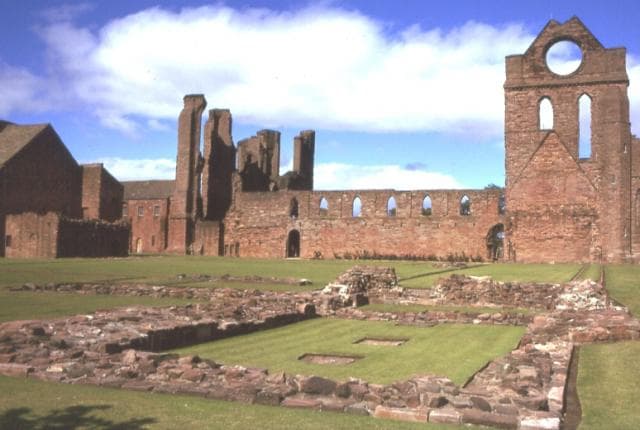
Arbroath Abbey
Arbroath Abbey, a ruined Cistercian monastery located in Arbroath, Scotland, was founded in 1178 by King William the Lion. It is renowned as the site where the Declaration of Scottish Independence was likely drafted in 1320. The Abbey, once the wealthiest in Scotland, is now managed by Historic Environment Scotland and is a popular tourist attraction, notable for its distinctive red sandstone ruins.

Dundrennan Abbey
Dundrennan Abbey was a Cistercian monastery established in 1142 in Dundrennan, Scotland. Known for its Romanesque architecture, the abbey reflects the austere Cistercian ideal and is noted for the preservation of its original forms due to its hard-weathering grey sandstone construction. Although extensively ruined, it holds historical significance as the site where Mary, Queen of Scots, spent her final night in Scotland in 1568 before fleeing.
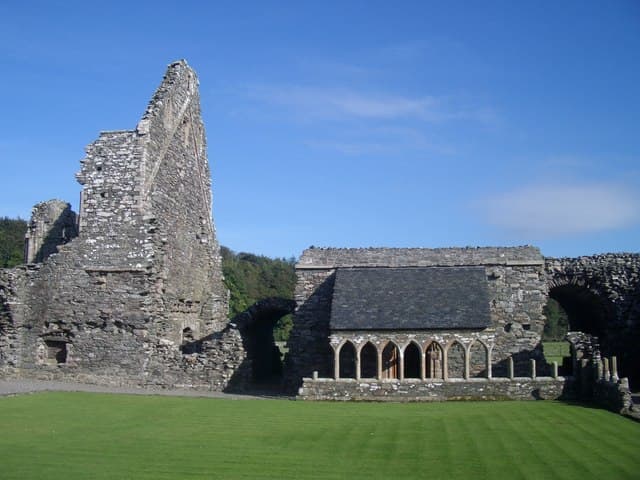
Glenluce Abbey
Glenluce Abbey was a Cistercian monastery founded around 1190 by Rolland, Lord of Galloway. After the Scottish Reformation in 1560, the abbey fell into disuse and its lands were controversially acquired by the Kennedy family. Today, the ruins of Glenluce Abbey are a scheduled monument, having undergone partial restoration.