
Inchmahome Priory
Inchmahome Priory, founded in 1238 by Walter Comyn, Earl of Menteith, was a monastic institution for the Augustinian order situated on an island in the Lake of Menteith, Scotland. Despite its picturesque location and royal visits from figures like Robert the Bruce and Queen Mary, the priory experienced a decline following the Scottish Reformation and the shift in monastic leadership. Today, its 13th-century structures are largely in ruins, maintained by Historic Environment Scotland as a scheduled monument accessible to the public.
Key Facts
- ›Founded in 1238 by Walter Comyn, Earl of Menteith.
- ›Served as a refuge for the young Queen Mary in 1547.
- ›Received visits from King Robert the Bruce.
- ›Buildings are largely 13th-century ruins.
- ›Maintained and preserved by Historic Environment Scotland.
- ›Accessible via boat from the Port of Menteith between March and September.

Gothic
Ruined Chancel, Island Setting
Innis Mocholmaig
Walter Comyn, Earl of Menteith, Robert the Bruce, Queen Mary, Robert Ii, John, Lord Erskine, Robert Bontine Cunninghame Graham, Gabriela Cunninghame Graham, Admiral A.E.M.B. Cunninghame Graham
- Founded In 1238.
- Visited By Robert the Bruce In 1306, 1308, and 1310.
- Future King Robert Ii Stayed In 1358.
- Served As A Refuge For Queen Mary In 1547.
- Experienced Decline After the Scottish Reformation.
- Land and Property Transferred To Erskine Family In 1606.
- Transferred Into the Care of the State In 1926.
About Inchmahome Priory
Inchmahome Priory is a historic monastic site located on Inchmahome, the largest of three islands in the Lake of Menteith, near Aberfoyle, Scotland. The priory's name derives from the Gaelic "Innis MoCholmaig," meaning "island of St Colmaig."
Founding and Early History
The priory was established in 1238 by Walter Comyn, Earl of Menteith, a powerful figure in Scotland at the time. He founded it for a small community of the Augustinian order, also known as the Black Canons. Evidence suggests that a church may have existed on the island prior to the priory's establishment.
Royal and Notable Visitors
Throughout its existence, Inchmahome Priory received a number of distinguished guests. King Robert the Bruce visited on three occasions: in 1306, 1308, and 1310, likely for political reasons given the first prior's oath of allegiance to the English king. In 1358, the future King Robert II sought refuge at the priory. A significant event occurred in 1547 when the priory served as a temporary sanctuary for the four-year-old Queen Mary, who was hidden there for several weeks following the Scottish defeat at the Battle of Pinkie.
Decline and Later History
The 16th century marked a period of decline for monastic orders in Scotland. The appointment of priory heads by local landowners, who often had secular interests, contributed to this downturn. Following the Scottish Reformation, the priory's religious function ceased, and its lands and buildings gradually transitioned into secular hands. In 1606, the property passed to the Erskine family and later to the Marquess of Montrose. In 1926, the 6th Duke of Montrose transferred the priory into the care of the State.
Current Status and Accessibility
Today, Inchmahome Priory exists primarily as ruins, though substantial portions of its original 13th-century architecture remain. The site is managed and preserved by Historic Environment Scotland as a scheduled monument. Visitors can access the priory via a boat service operated from the Port of Menteith between March and September.
Burials
Notable figures interred within the priory's ruined chancel include Walter Bailloch and Mary I, Countess of Menteith. The site also features a stone commemorating Admiral A.E.M.B. Cunninghame Graham, nephew and heir of the author and politician Robert Bontine Cunninghame Graham, who is also buried there with his wife Gabriela Cunninghame Graham.
Source: Wikipedia ↗
Frequently Asked Questions
Where is Inchmahome Priory located?
Inchmahome Priory is located on Inchmahome, the largest of three islands in the center of the Lake of Menteith, near Aberfoyle, Scotland.
Who founded Inchmahome Priory?
The priory was founded in 1238 by Walter Comyn, Earl of Menteith, for members of the Augustinian order.
What is the historical significance of Inchmahome Priory?
The priory hosted several notable guests, including King Robert the Bruce and served as a refuge for Queen Mary in 1547. Its decline is linked to the changes following the Scottish Reformation.
What is the current status of Inchmahome Priory?
Most of the priory's buildings are now ruins, but much of the original 13th-century structure remains. It is maintained by Historic Environment Scotland as a scheduled monument.
How can I visit Inchmahome Priory?
Visitors can reach Inchmahome Priory by boat, which is operated between March and September by Historic Environment Scotland from the pier at the Port of Menteith.
Related Monasteries
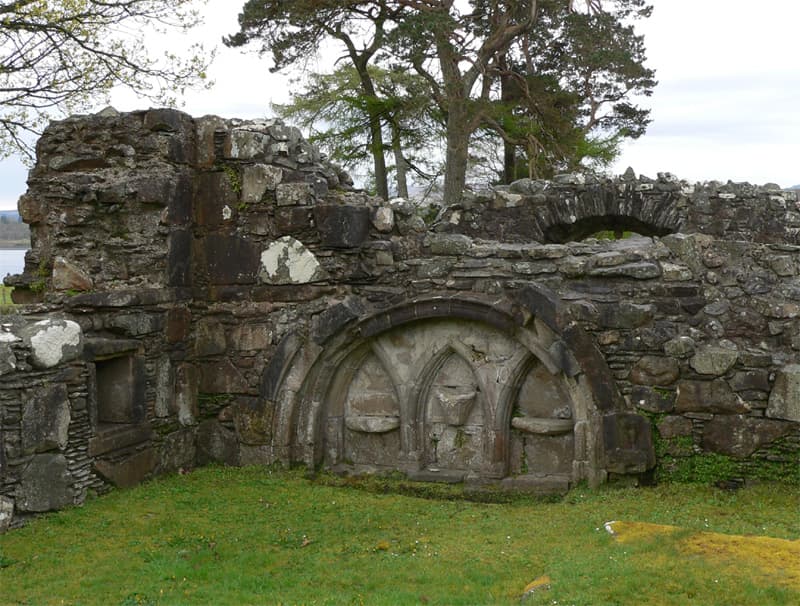
Ardchattan Priory
Ardchattan Priory was a Valliscaulian monastic community established in 1230 by Duncan Macdougall in Ardchattan, Argyll, Scotland. It holds historical significance as the site of a council of local chiefs held by Robert the Bruce in 1308, believed to be the last Gaelic-speaking parliament. Over time, the priory transitioned from its original monastic function, with parts converted into a dwelling and the church eventually falling into disuse and ruin.
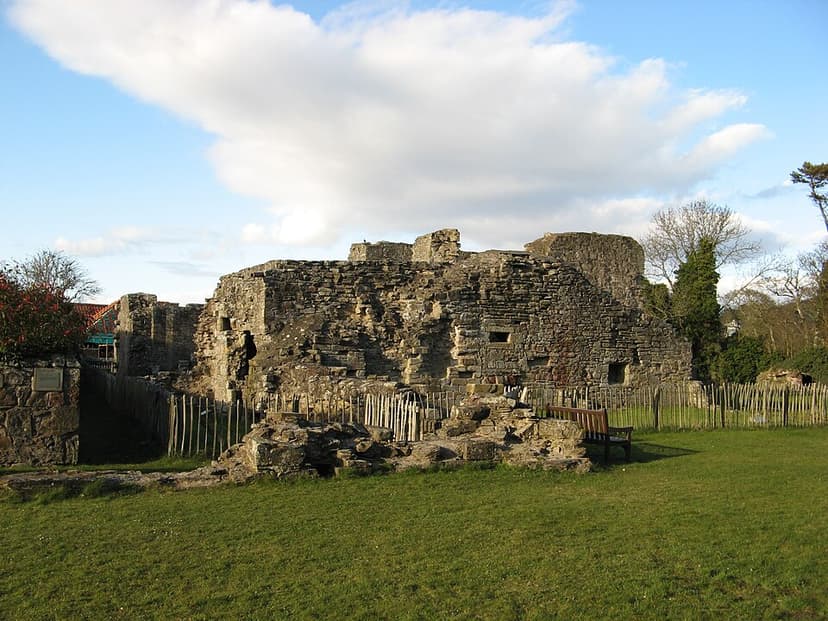
Balmerino Abbey
Balmerino Abbey, also known as St Edward's Abbey, was a Cistercian monastery located in Balmerino, Fife, Scotland. Founded between 1227 and 1229, it was patronized by Ermengarde de Beaumont and King Alexander II. The abbey suffered destruction during the War of the Rough Wooing and later during the Scottish Reformation, leading to its decline and eventual ruin by the 16th century. Today, the ruins are managed by the National Trust for Scotland.
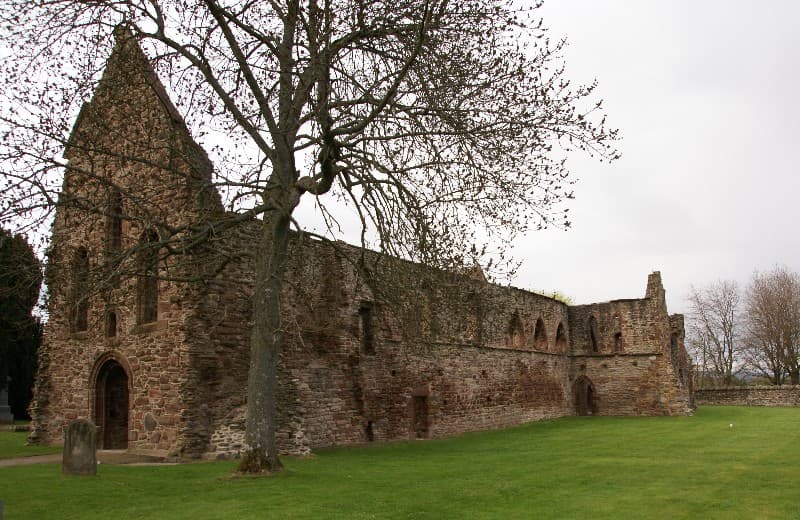
Beauly Priory
Beauly Priory was a monastic community established likely in 1230 in what is now Beauly, Inverness-shire. Originally founded by the Valliscaulian Order, it later became Cistercian in 1510 following the suppression of its original order. Today, the priory's extensive ruins are a significant visitor attraction, protected as a scheduled monument.