
Inchaffray Abbey
Inchaffray Abbey was an Augustinian monastery founded in 1200 in Strathearn, Scotland, by Gilbert, Earl of Strathearn. Initially a priory, it became an abbey in 1221 and was dedicated to the Virgin Mary and St. John the Evangelist. The abbey played a role in significant historical events, including the Battle of Bannockburn, but declined by the time of the Scottish Reformation and was later transformed into a secular lordship. Today, only remnants of its structures remain.
Key Facts
- ›Founded in 1200 as a priory by Gilbert, Earl of Strathearn, and his wife Maud D'Aubigny.
- ›Became an Augustinian abbey in 1221.
- ›Dedicated to the Virgin Mary and St. John the Evangelist.
- ›Its income in 1275 ranked fourth among Augustinian houses in Scotland.
- ›Abbot Maurice carried relics of Saint Fillan to bless the Scots army before the Battle of Bannockburn in 1314.
- ›Transformed into a secular lordship by 1556, with much of the abbey destroyed in 1816.
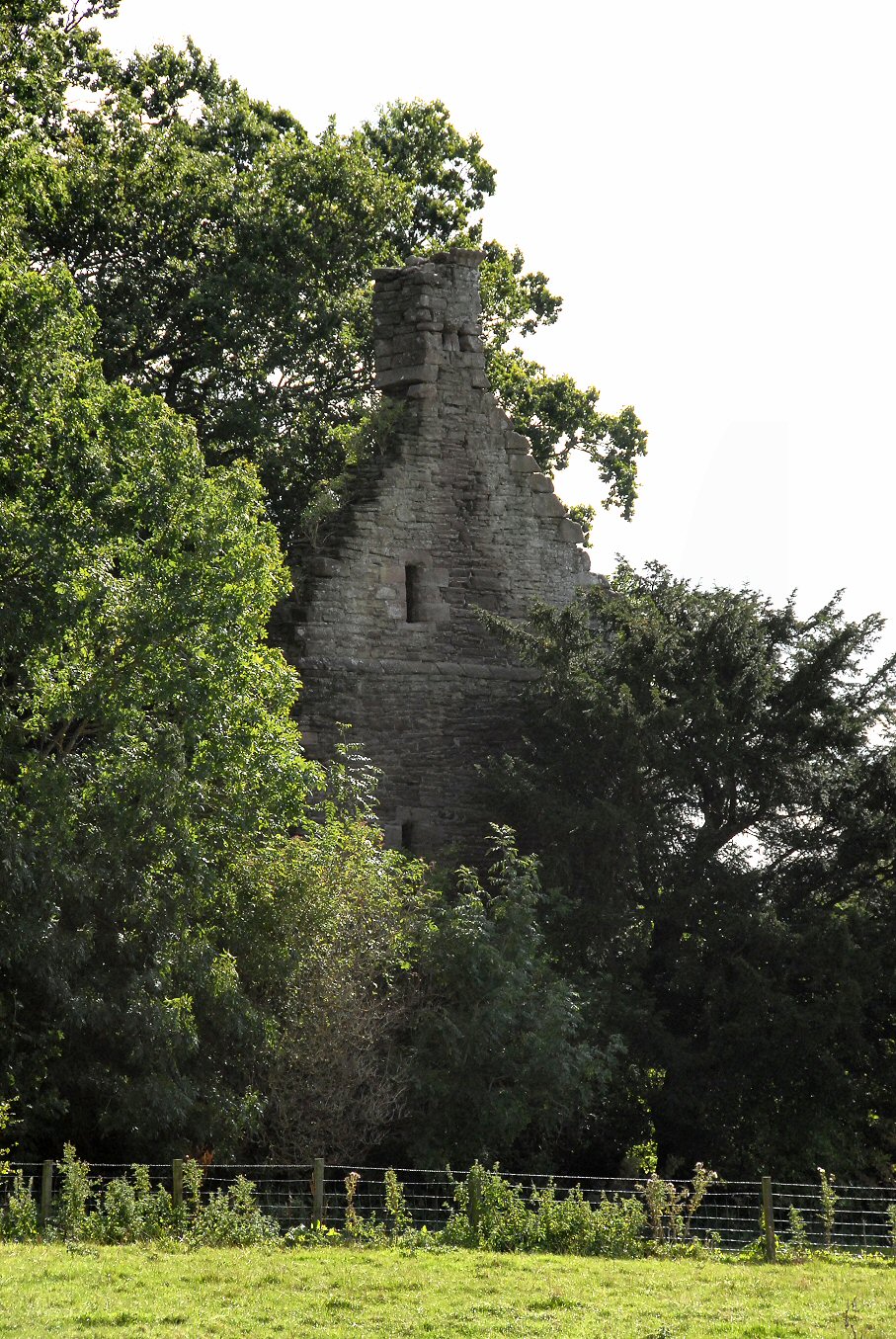
Site of An Island In Marshland, Earth Mound and Remaining Walls, Gable-End Wall
Insula Missarum
Jonathan, Bishop of Dunblane, Gilbert, Earl of Strathearn, Maud D'Aubigny, Abbot Maurice of Inchaffray, Laurence Oliphant, James Vi, James Drummond
- Foundation of the Priory
- Elevation To Abbey Status
- Blessing of the Scots Army Before the Battle of Bannockburn
- Battle of Flodden
- Transformation Into A Secular Lordship
- Destruction of Remaining Structures
About Inchaffray Abbey
Inchaffray Abbey: A Strathearn Foundation
Inchaffray Abbey was an Augustinian monastery located in Strathearn, Scotland, a region midway between Perth and Crieff. The site, once an island in marshy terrain known for eels, now features only the earth mound and scattered walls that mark its former presence. The abbey's name has origins in both Gaelic and Latin, with the earliest recorded form being the Latin 'Insula missarum', meaning 'island of the masses' or 'island of the offerings'.
History and Establishment
The priory was established in 1200 by Gilbert, Earl of Strathearn, and his wife Maud d'Aubigny, in memory of their first-born son. This new foundation absorbed an existing ecclesiastical community known as 'the brethren of St John of Strathearn'. The priory officially became an abbey in 1221. It was dedicated to the Virgin Mary and St. John the Evangelist and was granted several churches, including those dedicated to St. Cathan, St. Ethernan, St. Patrick, St. Makkessog, and St. Beanus.
Royal Patronage and Decline
Inchaffray Abbey received patronage from both the Earls of Strathearn and the Scottish kings. In 1275, its income was assessed at 246 pounds per annum, ranking it fourth among Augustinian houses in Scotland at the time. The abbey was responsible for significant landholdings and dependent churches across Scotland. A notable historical event associated with the abbey is the carrying of the relics of Saint Fillan by Abbot Maurice to bless the Scots army before the Battle of Bannockburn in 1314. Commendatory abbot Laurence Oliphant met his end at the Battle of Flodden in 1514. By 1561, the abbey's fortunes had declined significantly. With the advent of the Scottish Reformation, Inchaffray was transformed into a secular lordship for a member of the Drummond family in 1556. The property later passed to the Earls of Kinnoull, and much of what remained of the abbey was destroyed in 1816 when a road was constructed across the site. Today, the ruins are designated a scheduled monument, with a single gable-end wall still standing.
Source: Wikipedia ↗
Frequently Asked Questions
Where was Inchaffray Abbey located?
Inchaffray Abbey was situated by the village of Madderty, midway between Perth and Crieff in Strathearn, Scotland. It was located on what was once an island formed by surrounding marshes.
When was Inchaffray Abbey founded?
Inchaffray Abbey was founded as a priory in 1200. It was elevated to the status of an abbey in 1221.
What religious order was Inchaffray Abbey associated with?
Inchaffray Abbey was associated with the Augustinian order. It was granted to the Augustinians of Scone Abbey.
What is the origin of the name Inchaffray?
While folk etymology suggests the name comes from Gaelic for 'island of the smooth water', the earliest attested form is the Latin 'Insula missarum', meaning 'island of the masses' or 'island of the offerings'.
What remains of Inchaffray Abbey today?
Today, only an earth mound and some walls on rising ground are visible, which once formed the island where the abbey stood. A single gable-end wall remains on private property but is visible from the road.
What historical events are linked to Inchaffray Abbey?
Abbot Maurice of Inchaffray carried relics of Saint Fillan to bless the Scots army before the Battle of Bannockburn in 1314. Commendatory abbot Laurence Oliphant was killed at the Battle of Flodden in 1514.
Related Monasteries
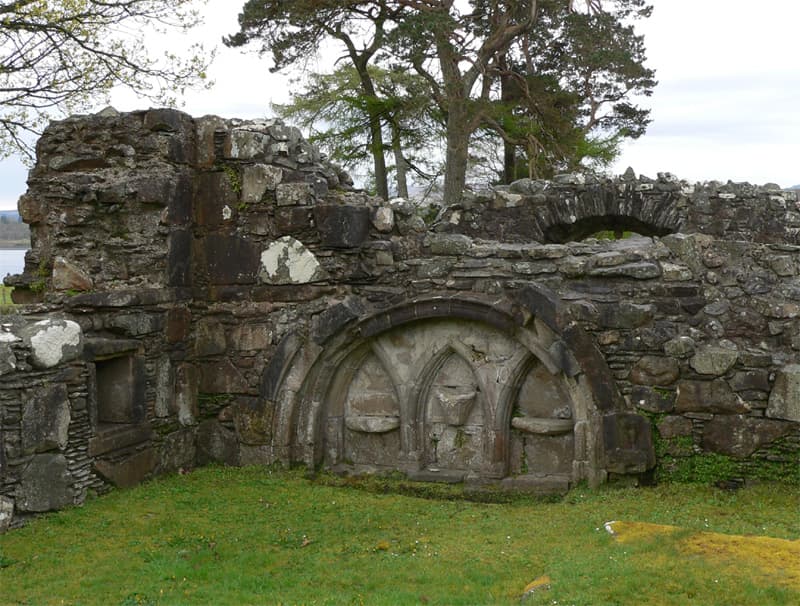
Ardchattan Priory
Ardchattan Priory was a Valliscaulian monastic community established in 1230 by Duncan Macdougall in Ardchattan, Argyll, Scotland. It holds historical significance as the site of a council of local chiefs held by Robert the Bruce in 1308, believed to be the last Gaelic-speaking parliament. Over time, the priory transitioned from its original monastic function, with parts converted into a dwelling and the church eventually falling into disuse and ruin.
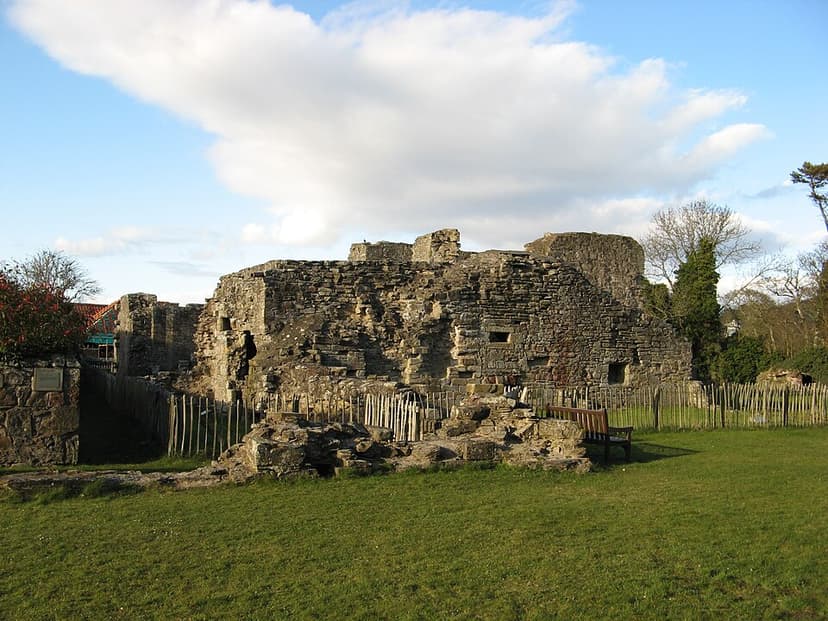
Balmerino Abbey
Balmerino Abbey, also known as St Edward's Abbey, was a Cistercian monastery located in Balmerino, Fife, Scotland. Founded between 1227 and 1229, it was patronized by Ermengarde de Beaumont and King Alexander II. The abbey suffered destruction during the War of the Rough Wooing and later during the Scottish Reformation, leading to its decline and eventual ruin by the 16th century. Today, the ruins are managed by the National Trust for Scotland.
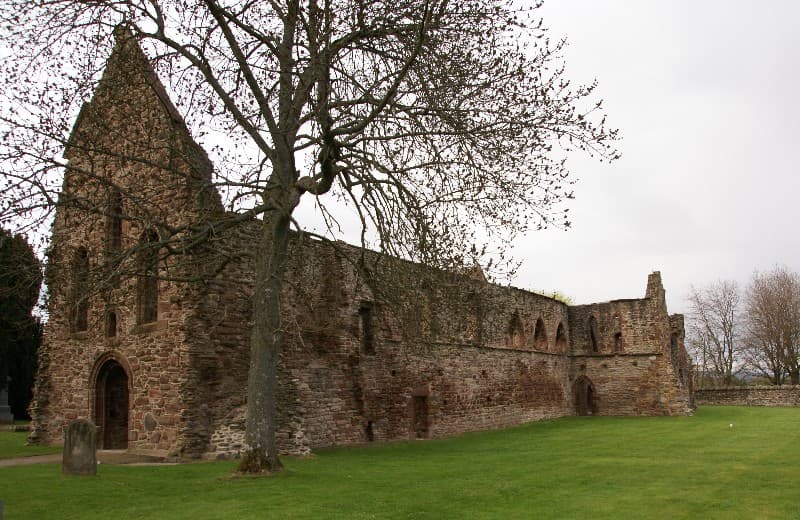
Beauly Priory
Beauly Priory was a monastic community established likely in 1230 in what is now Beauly, Inverness-shire. Originally founded by the Valliscaulian Order, it later became Cistercian in 1510 following the suppression of its original order. Today, the priory's extensive ruins are a significant visitor attraction, protected as a scheduled monument.