
Hailes Abbey
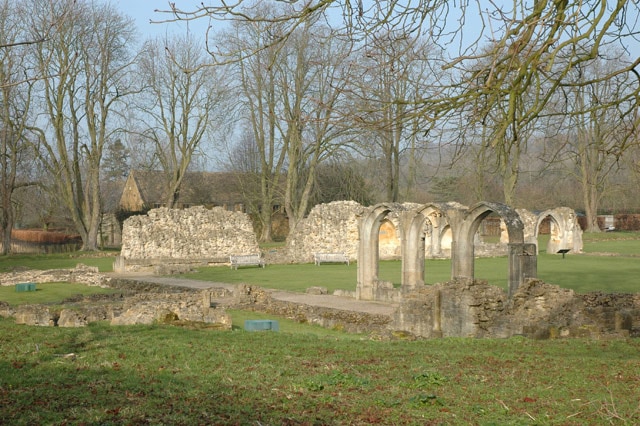
Hailes Abbey was a Cistercian monastery founded in 1246 by Richard of Cornwall. It rose to prominence as a major pilgrimage site after the donation of a phial believed to contain the Holy Blood. Despite attempts to save it by admitting the relic was fake, the abbey was dissolved by Henry VIII in 1539, and little of its structure now remains.
Key Facts
- ›Founded in 1246 by Richard of Cornwall.
- ›Became a significant pilgrimage destination due to a relic of the Holy Blood.
- ›Dissolved in 1539 by King Henry VIII.
- ›Little of the original abbey structure survives today.
- ›The site is managed by English Heritage and owned by the National Trust.
- ›The adjacent Hailes Church contains medieval wall paintings.
Phial of the Holy Blood Relic, Museum On Site, Medieval Wall Paintings In Hailes Church
Richard of Cornwall, Henry Iii, Pope Alexander Iv, Edmund, 2nd Earl of Cornwall, Henry of Almain, Sanchia of Provence, Stephen Sagar
- Founded In 1246
- Donation of the Holy Blood Relic In 1270
- Abbot Executed As A Rebel After the Battle of Bramham Moor In 1408
- Dissolved In 1539
About Hailes Abbey
Hailes Abbey was a significant Cistercian monastery located in the village of Hailes, Gloucestershire, England. Founded in 1246 by Richard of Cornwall, the younger brother of King Henry III, it was established as a daughter house of Beaulieu Abbey. The abbey's history is marked by its transformation into a major pilgrimage destination following the acquisition and donation of a phial reputedly containing the Holy Blood in 1270.
History and Significance
The founding of Hailes Abbey was an act of gratitude by Richard of Cornwall following a perilous shipwreck. He settled the manor of Hailes with twenty Cistercian monks and ten lay brothers. The abbey was constructed in a single, ambitious building campaign that concluded with its consecration in 1277, an event attended by the King and Queen and fifteen bishops. This made it one of the last Cistercian houses to be established in England.
The donation of the Holy Blood relic by Richard's son, Edmund, proved to be a considerable draw for pilgrims. The proceeds from pilgrimage allowed the monks to rebuild the abbey on a grand scale. Despite its religious and economic success, the abbey faced challenges during the Reformation. Although the relic's authenticity was questioned by Henry VIII's commissioners, and the Abbot admitted it was a fake in a bid to save the institution, Hailes Abbey was among the final religious houses to be surrendered.
Dissolution and Legacy
Hailes Abbey was dissolved by King Henry VIII's commissioners on Christmas Eve 1539. Following the dissolution, parts of the abbey were repurposed, with the Abbot's apartments converted into a residence for the Tracy family. However, much of the structure was demolished. Today, only a few low arches and outlines in the grass remain on the abbey site.
The adjacent Hailes Church, which predates the abbey and served as its chapel outside the gates, is a Grade I listed building. It contains well-preserved 14th-century wall paintings. The site of Hailes Abbey is now owned by the National Trust and managed by English Heritage, which operates a museum on the grounds showcasing artifacts from the abbey's past. The abbey's former status as a pilgrimage site and its dramatic dissolution remain central to its historical narrative.
Source: Wikipedia ↗
Frequently Asked Questions
When was Hailes Abbey founded?
Hailes Abbey was founded in 1246 by Richard of Cornwall, the younger brother of King Henry III. He established it as a daughter establishment of Beaulieu Abbey.
Why did Hailes Abbey become a pilgrimage site?
The abbey became a major pilgrimage site after Richard's son, Edmund, donated a phial believed to contain the Holy Blood in 1270. This relic attracted many pilgrims, contributing to the abbey's wealth and rebuilding.
What happened to Hailes Abbey?
Hailes Abbey was dissolved by King Henry VIII in 1539 as part of the Suppression of Religious Houses Act. The Abbot and monks surrendered the abbey to the King's commissioners.
What remains of Hailes Abbey today?
Very little of the original abbey structure remains. Surviving remains include a few low arches in a meadow and outlines in the grass. The adjacent Hailes Church, which predates the abbey, is still standing and contains medieval wall paintings.
Who owns and manages Hailes Abbey?
The site of Hailes Abbey is owned by the National Trust. It is managed by English Heritage, which also operates a museum on the site displaying artifacts from the abbey.
Related Monasteries

Beeston Regis Priory
Beeston Regis Priory was an Augustinian priory founded in 1216 by Lady Isabel de Cressey. Dissolved in 1538, its remains, particularly the priory church nave and transept, are a Grade I listed ruin. The priory's suppression is believed to have influenced the founding of Gresham's School, and its cloister garden is now part of Priory Farm.

Dunkeswell Abbey
Dunkeswell Abbey was a Cistercian monastery founded in 1201 by William Briwere, granting it significant property in Devon. Following its dissolution in 1539, the abbey was largely demolished, with parts remaining in domestic use until the 19th century. A parish church was later built on a portion of the site, and surviving fragments of the abbey can still be found.
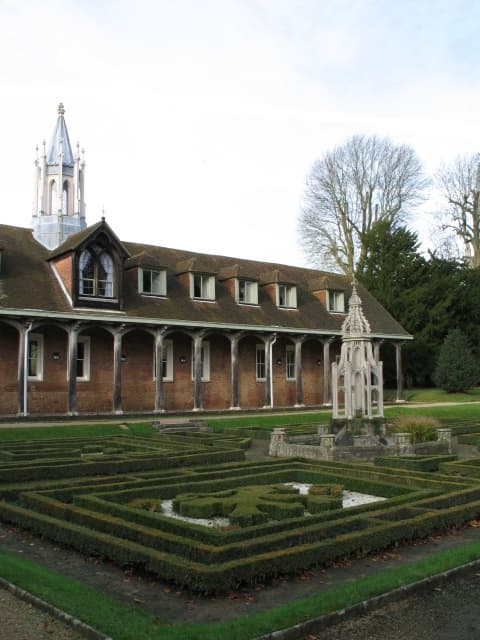
Ashridge Priory
Ashridge Priory was a medieval college of Austin canons, established in 1283 by Edmund of Almain. It was known as the "Brothers of Penitence" or the "Boni Homines" and gained wealth through donations, particularly a phial of Christ's blood. After its dissolution, it served as a royal residence and later became a private estate before being demolished.