
Gurk Abbey
Gurk Abbey was a brief-lived nunnery established in 1043 by Saint Hemma of Gurk on the site of a former Celtic temple. Endowed with extensive lands, the convent was dedicated to Saint Mary. However, it was dissolved in 1070 by Archbishop Gebhard of Salzburg, who repurposed its assets to found the Diocese of Gurk, with the former abbey church eventually being demolished.
Key Facts
- ›Founded in 1043 by Saint Hemma of Gurk.
- ›Located in Gurk, Carinthia, modern-day Austria.
- ›Established on the site of a former Celtic temple dedicated to Epona.
- ›Dissolved in 1070 by Archbishop Gebhard of Salzburg.
- ›Assets were used to establish the Diocese of Gurk.
- ›The original abbey church was demolished in the 19th century.

Site of A Former Celtic Temple, Church Dedicated To Saint Mary
Stift Gurk
Saint Hemma of Gurk, Archbishop Gebhard of Salzburg, Arnulf, Zwentibold
Foundation of the Nunnery, Dissolution of the Nunnery, Establishment of the Diocese of Gurk, Demolition of the Former Abbey Church
About Gurk Abbey
Gurk Abbey, also known by its German name Stift Gurk, was a monastic institution established in the 11th century in Gurk, Carinthia, within modern-day Austria. Its foundation in 1043 was the work of Saint Hemma of Gurk, a noblewoman who established a convent of ladies on her estate. The site chosen for the abbey held historical significance, having previously been a location for a Celtic temple dedicated to the goddess Epona.
Founding and Endowment
Saint Hemma, a widow since 1036, endowed the newly founded convent with substantial estates across the Duchy of Carinthia and its adjacent marches. These endowments provided the financial basis for the abbey's existence. A church dedicated to Saint Mary was erected and consecrated on August 15, 1043. Saint Hemma herself may have joined the convent and was buried in its church upon her death around two years later. Her legacy also extended to the Salzburg archbishop, to whom she ceded properties that later facilitated the foundation of Admont Abbey in 1074.
Dissolution and Legacy
The existence of Gurk Abbey proved to be short-lived. In 1070, Archbishop Gebhard of Salzburg dissolved the nunnery. He utilized the acquired assets to establish the suffragan Diocese of Gurk, centering the new ecclesiastical jurisdiction at Gurk Cathedral. While Saint Hemma's remains were eventually transferred to the new cathedral in 1174, the former abbey church fell into disrepair and was ultimately demolished in the 19th century. Today, no substantial structures of the original abbey remain.
Source: Wikipedia ↗
Frequently Asked Questions
When was Gurk Abbey founded?
Gurk Abbey was founded in 1043 by Saint Hemma of Gurk. This date marks the consecration of the church she had erected.
Who founded Gurk Abbey?
The abbey was founded by Saint Hemma of Gurk. She was a widow who established a convent of noble ladies on her Gurk manor.
What happened to Gurk Abbey?
Gurk Abbey was dissolved in 1070 by Archbishop Gebhard of Salzburg. He used the monastery's assets to establish the suffragan Diocese of Gurk.
Where was Gurk Abbey located?
The abbey was situated in Gurk, Carinthia, which is in present-day Austria. It was built on the site of a former Celtic temple.
What was the religious tradition of Gurk Abbey?
Gurk Abbey was a Christian nunnery, likely following a Benedictine tradition or a similar rule for noble ladies, though it apparently did not adhere to a strict order rule initially.
Related Monasteries
Göss Abbey
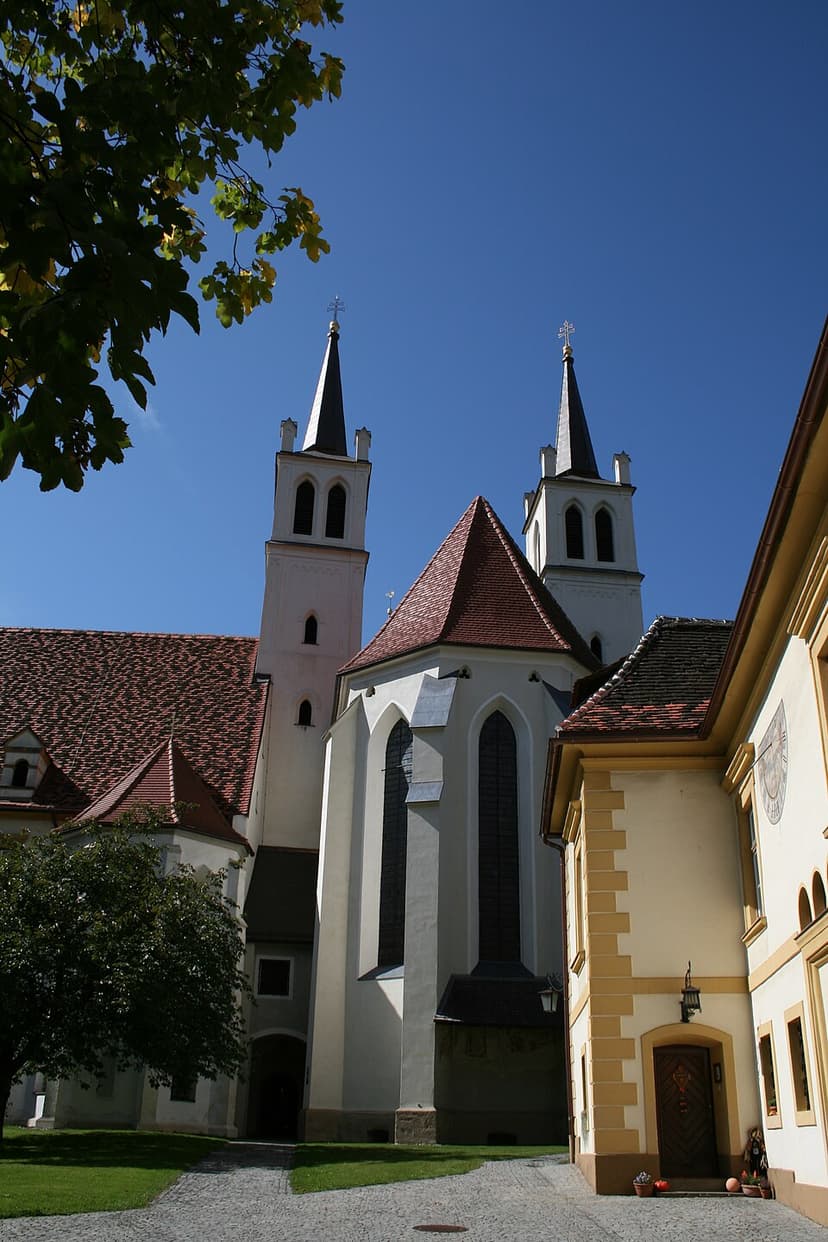
Göss Abbey, originally a Benedictine nunnery founded in 1004, served for centuries as an educational center for aristocratic daughters. Dissolved in 1782, its former church briefly became the cathedral for the Bishopric of Leoben before the premises were sold and repurposed, most notably as a brewery. The site retains significant architectural elements, including a Romanesque crypt and early Gothic frescoes.

Millstatt Abbey
Millstatt Abbey, established around 1070 by Benedictine monks, is a significant Romanesque structure in Carinthia, Austria. For centuries, it served as a vital spiritual and cultural hub for Upper Carinthia and was one of the largest monastic institutions in the region. Over its history, the abbey transitioned through various religious orders, including the Knights of Saint George and the Society of Jesus, before its dissolution in 1773.
St. George's Abbey on the Längsee
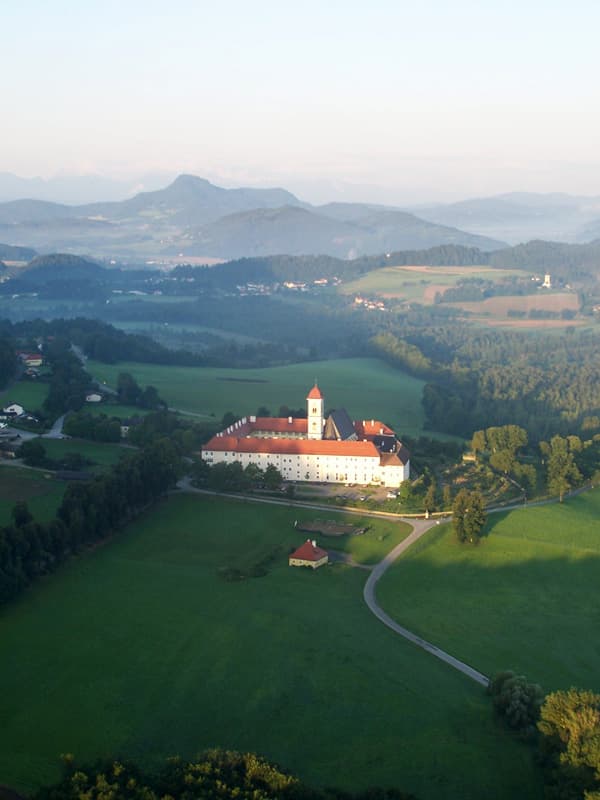
St. George's Abbey on the Längsee is a historic monastic complex in Carinthia, Austria, founded as a Benedictine nunnery between 1002 and 1008 by Countess Wichburg. It underwent reforms, survived periods of economic hardship and the Protestant Reformation, and was dissolved in 1783. After various ownerships, including serving as a Count's seat and a military hospital, it was acquired by the Diocese of Gurk in 1959 and today houses a church, an educational establishment, a hotel, and seminar facilities.