
St. George's Abbey on the Längsee
Christian·Austria·Active (partially operational as church, educational establishment, hotel)·11th century
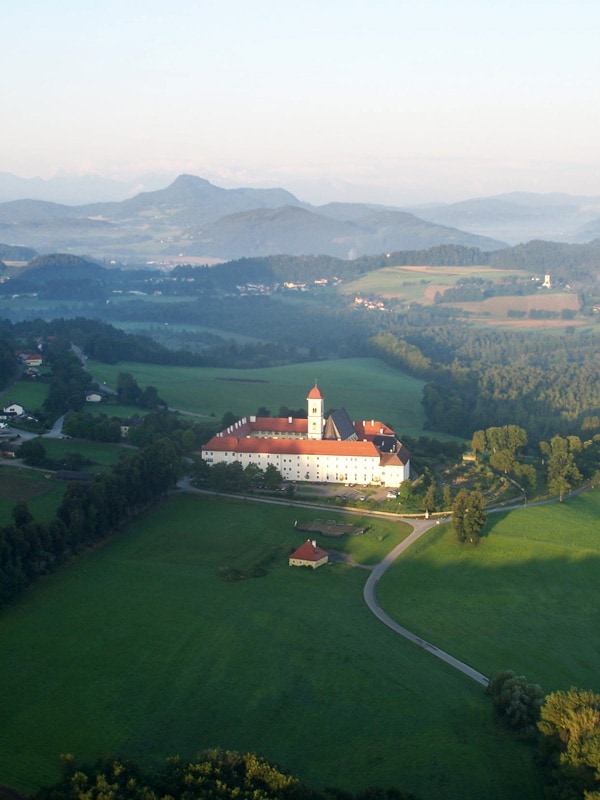
St. George's Abbey on the Längsee is a historic monastic complex in Carinthia, Austria, founded as a Benedictine nunnery between 1002 and 1008 by Countess Wichburg. It underwent reforms, survived periods of economic hardship and the Protestant Reformation, and was dissolved in 1783. After various ownerships, including serving as a Count's seat and a military hospital, it was acquired by the Diocese of Gurk in 1959 and today houses a church, an educational establishment, a hotel, and seminar facilities.
Key Facts
- ›Founded as a Benedictine nunnery between 1002 and 1008 by Countess Wichburg.
- ›Celebrated its 1,000th anniversary in 2003.
- ›Remodeled in the Baroque style between 1654 and 1658 by architect Pietro Francesco Carlone.
- ›Dissolved by Emperor Joseph II in 1783 and later sold to the Missionary Order of Mariannhill.
- ›Currently includes a functioning church, an educational establishment, a hotel, and seminar facilities.
Roman, Renaissance, Baroque
Church With Functioning Services, Crypt, Renaissance Arcades, High Altar
Stift St. Georgen
Countess Wichburg, Count Ottwin Von Sonnenburg, Hildpurg, Archbishop Hartwig, Ulrich Ii, Duke of Carinthia, Dorothea Rumpf, Afra Von Staudach, Emperor Joseph Ii, Maximilian ThaddäUs Von Egger, Pietro Francesco Carlone
- Founding of the Nunnery
- Reform In the 12th Century
- Donation By Ulrich Ii, Duke of Carinthia
- Economic Difficulties and Support From GöSs Abbey During the Reformation
- Dissolution By Emperor Joseph Ii
- Sale and Conversion To A Count's Seat
- Acquisition By the Missionary Order of Mariannhill
- Use As Seminary and Military Hospital During World War Ii
- Acquisition By the Diocese of Gurk
About St. George's Abbey on the Längsee
St. George's Abbey, known in German as Stift St. Georgen, is a significant monastic complex situated in the village of Sankt Georgen am Längsee in Carinthia, Austria. The history of this site stretches back over a millennium, with the nunnery celebrating its 1,000th anniversary in 2003. Its origins are traced to the early 11th century, making it a venerable institution with deep historical roots.
History and Development
The monastery was established as a Benedictine nunnery between 1002 and 1008 by Countess Wichburg, wife of Count Ottwin von Sonnenburg. Wichburg's daughter, Hildpurg, a nun from Nonnberg Abbey, was appointed as the first abbess. The convent underwent reforms in the 12th century and experienced periods of both economic hardship, particularly in supporting military campaigns, and resilience during the Protestant Reformation. By the late 17th century, it had grown to house 31 nuns and 16 lay sisters, operating an apothecary and a school, and caring for invalids. The monastery's fortunes shifted dramatically in 1783 when Emperor Joseph II dissolved it. It was later purchased by Maximilian Thaddäus von Egger, who transformed the complex into the seat of the Count of Egger and opened it to tourists. The site has seen further transformations, serving as a seminary and a military hospital during World War II, before being acquired by the Missionary Order of Mariannhill and subsequently by the Diocese of Gurk in 1959.
Architectural Significance and Current Use
The buildings of St. George's Abbey are constructed on foundations that extend back to Roman times. The architectural evolution of the complex includes parts of original structures and Renaissance arcades. A significant remodeling in the Baroque style was undertaken between 1654 and 1658 by architect Pietro Francesco Carlone, contributing to the impressive appearance of the monastery, including its high altar likely dating from the late 17th century. Today, the former Benedictine nunnery is a multifaceted site. It retains its church, where religious services continue to be held, and also houses an educational establishment managed by the diocese, a hotel, and facilities for seminars and events, ensuring its continued relevance and use.
Source: Wikipedia ↗
Frequently Asked Questions
When was St. George's Abbey on the Längsee founded?
The monastery was founded as a nunnery between the years 1002 and 1008. It celebrated its 1,000th anniversary in 2003.
Who founded St. George's Abbey on the Längsee?
The nunnery was founded by Countess Wichburg, wife of Count Ottwin von Sonnenburg. Her daughter, Hildpurg, became the first abbess.
What is the current use of St. George's Abbey on the Längsee?
Today, the former monastic complex houses a church where services are still conducted, an educational establishment run by the Diocese of Gurk, a hotel, and facilities for seminars.
What historical events affected the abbey?
The convent experienced economic difficulties and was reduced during the Protestant Reformation. Emperor Joseph II dissolved the monastery in 1783.
What architectural styles are present at the abbey?
The complex incorporates stone foundations dating back to Roman times. The north-west wing was built in 1546, and the monastery was remodeled in the Baroque style between 1654 and 1658.
Related Monasteries
Göss Abbey
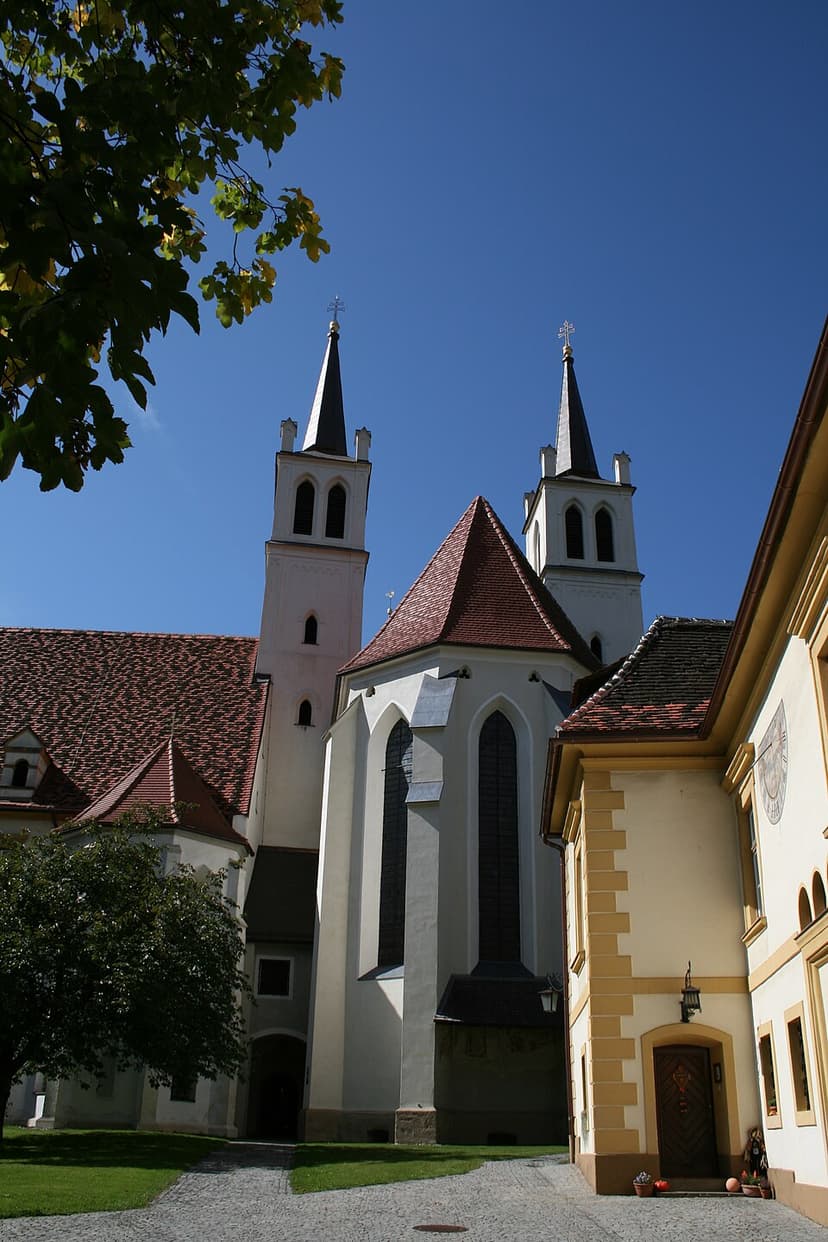
Göss Abbey, originally a Benedictine nunnery founded in 1004, served for centuries as an educational center for aristocratic daughters. Dissolved in 1782, its former church briefly became the cathedral for the Bishopric of Leoben before the premises were sold and repurposed, most notably as a brewery. The site retains significant architectural elements, including a Romanesque crypt and early Gothic frescoes.

Millstatt Abbey
Millstatt Abbey, established around 1070 by Benedictine monks, is a significant Romanesque structure in Carinthia, Austria. For centuries, it served as a vital spiritual and cultural hub for Upper Carinthia and was one of the largest monastic institutions in the region. Over its history, the abbey transitioned through various religious orders, including the Knights of Saint George and the Society of Jesus, before its dissolution in 1773.

St. Paul's Abbey in the Lavanttal
St. Paul's Abbey in Lavanttal is a Benedictine monastery founded in 1091 in Carinthia, Austria. Originally centered on a Romanesque church, it was largely rebuilt in the Baroque style in the 17th century. The abbey has a complex history, including dissolutions by Emperor Joseph II and the National Socialists, but has been continuously resettled and remains the oldest operational monastery in Carinthia.