
Gornjak
Gornjak Monastery is a 14th-century Serbian Orthodox monastery situated in the Gornjačka gorge, Serbia. Founded in 1379 by King Lazar of Serbia, it served monks led by Gregory of Sinai and has endured multiple destructions and rebuildings. The monastery is notable for its church dedicated to the Entrance of the Theotokos and the nearby hermitage caves associated with Gregory of Sinai.
Key Facts
- ›Founded in 1379 by King Lazar of Serbia.
- ›Construction was completed in 1380 by Elder Grigorije and his brethren.
- ›The church is dedicated to the Feast of the Entrance of the Theotokos to the Temple.
- ›It was known as Ždrelo until the end of the 18th century.
- ›The monastery has been destroyed and rebuilt multiple times throughout its history.
- ›The caves nearby house the hermitage of Gregory of Sinai and hold his relics.

Triconch
- Church Dedicated To the Entrance of the Theotokos To the Temple
- Hermitage Caves of Gregory of Sinai
- Relics of Gregory of Sinai
žDrelo
King Lazar of Serbia, Gregory of Sinai
Founded In 1379, Construction Finished In 1380, Burned Down By Turks In 1788, Sacked By Bulgarians During World War I, Burned By Nazi Germany During World War Ii, Church Rebuilt Beginning In 1953
About Gornjak
Gornjak Monastery
Gornjak Monastery is a significant 14th-century Serbian Orthodox monastic complex situated in the picturesque Gornjačka gorge, between Žagubica and Petrovac na Mlavi in Serbia. Historically known as Ždrelo until the late 18th century, the monastery was founded by King Lazar of Serbia in 1379. Its construction was completed the following year by Elder Grigorije and his monastic community, who served under the spiritual guidance of Gregory of Sinai.
The monastery's primary church is consecrated to the Feast of the Entrance of the Theotokos to the Temple. The site has a resilient history, having endured numerous destructions and subsequent reconstructions. Notable destructive events include being burned by Ottoman Turks in 1788, sacked by Bulgarian forces during World War I, and again damaged by Nazi Germany during World War II. The church was substantially rebuilt starting in 1953 upon the original foundations.
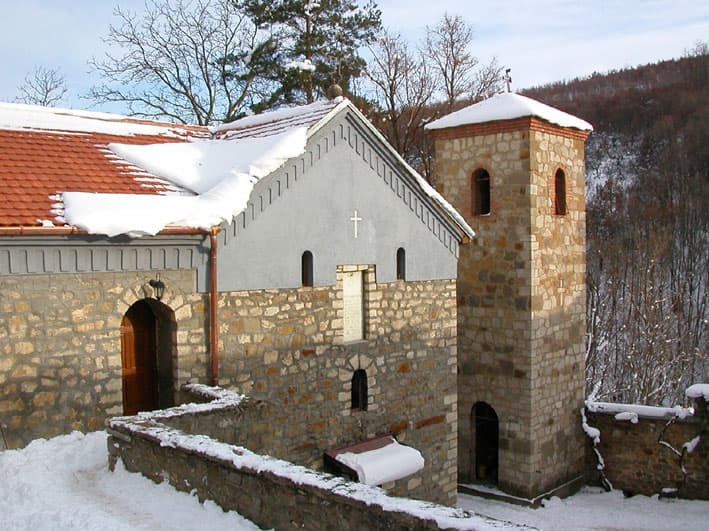
Architecturally, the church is characterized by a triconch plan with pilasters supporting its dome. Adjacent to the church, a porch was constructed in 1845, with a belfry overlooking its western side. The natural landscape surrounding Gornjak Monastery is also of historical and spiritual importance, featuring caves that served as the hermitage of Gregory of Sinai and are believed to hold his relics. These caves contribute to the monastery's enduring legacy and spiritual significance.
Source: Wikipedia ↗
Frequently Asked Questions
When was Gornjak Monastery founded?
Gornjak Monastery was founded in 1379 by King Lazar of Serbia. The construction of the monastery church was completed in 1380 by Elder Grigorije and his brethren.
Who was Gornjak Monastery founded by?
The monastery was founded by King Lazar of Serbia. It was chartered for the use of monks serving under Gregory of Sinai, and construction was finished by Elder Grigorije.
What is the main church at Gornjak Monastery dedicated to?
The church within Gornjak Monastery is dedicated to the Feast of the Entrance of the Theotokos to the Temple. This dedication is a significant aspect of its religious identity.
Has Gornjak Monastery always been known by its current name?
No, Gornjak Monastery was known until the end of the 18th century by the name Ždrelo. This earlier name reflects a different period in its history.
What notable figures are associated with Gornjak Monastery?
Gregory of Sinai is a key figure associated with Gornjak Monastery, as he led the brethren and his hermitage is located in the vicinity. King Lazar of Serbia was the founder of the monastery.
What has happened to Gornjak Monastery throughout its history?
The monastery has a history of destruction and rebuilding. It was burned down in 1788 by Turks, sacked by Bulgarians during World War I, and burned again by Nazi Germany during World War II. The church was rebuilt starting in 1953.
Related Monasteries

Gornjak Monastery
Gornjak Monastery is a 14th-century Serbian Orthodox monastery situated in the Gornjacka gorge, near Petrovac, Serbia. Founded in 1379 by King Lazar of Serbia, it was established for monks serving under Gregory of Sinai and completed in 1380. The monastery has a history of destruction and rebuilding, most recently its church was reconstructed starting in 1953 on its original foundations.
Devič Monastery
Devič Monastery is a Serbian Orthodox abbey in Kosovo, founded in 1434 and dedicated to Saint Joanikije of Devič. It has a long and turbulent history, having been destroyed and rebuilt multiple times, most notably during Ottoman rule, World War II, and the Kosovo unrest of 1999 and 2004. Despite significant damage and desecration, the monastery has been consistently reconstructed and remains a significant cultural monument.

Ježevica Monastery
Ježevica Monastery is a Serbian Orthodox monastery situated near the village of Ježevica, south of Čačak, Serbia, dedicated to St. Nicholas. While tradition attributes its founding to King Stefan Milutin, historical records suggest a nobleman in service to King Stefan Dušan founded it in 1337. The monastery's interior was adorned with paintings in the early 17th century, and a Baroque bell tower was added in the 19th century, making it a significant cultural heritage site.