
Fogo Priory
Tironensian·Scotland·Ruins·13th century
Fogo Priory was a Tironensian monastic community located in Berwickshire, Scottish Borders, dedicated to Saint Nicholas. It was established between 1253 and 1297 by Patrick Corbet, who endowed Kelso Abbey to create the priory as a monastic cell. Historical records are sparse, with only two known priors of Fogo Priory documented.
Key Facts
- ›Founded by Patrick Corbet between 1253 and 1297.
- ›Established as a monastic cell of Kelso Abbey.
- ›Dedicated to Saint Nicholas.
- ›Part of the Tironensian order.
- ›Located in Berwickshire, Scottish Borders.
- ›Only two priors are historically recorded.

Patrick Corbet
About Fogo Priory
Fogo Priory was a monastic community belonging to the Tironensian order, situated in Berwickshire, part of the modern Scottish Borders region. The priory's origins trace back to the late 13th century, with its founding occurring sometime between 1253 and 1297. Its establishment was facilitated by Patrick Corbet, a local landlord who granted lands to Kelso Abbey for the specific purpose of creating this monastic cell.
The priory was dedicated to Saint Nicholas. Despite its establishment, detailed historical records concerning Fogo Priory are scarce. Significantly, only two of its priors are known to history, indicating a limited surviving documentary trail regarding its administration and daily life. As a Tironensian institution, it adhered to the reformed Benedictine practices characteristic of that order, though specific details of its monastic observance at Fogo are not widely documented.
Little is known about the priory's later history, its dissolution, or the eventual fate of its buildings and lands. The limited information available primarily focuses on its foundation and its affiliation with Kelso Abbey. Fogo Priory represents one of numerous monastic foundations that played a role in the religious and social landscape of medieval Scotland, though its specific impact remains largely unelaborated in surviving historical accounts.
Source: Wikipedia ↗
Frequently Asked Questions
When was Fogo Priory founded?
Fogo Priory was founded sometime between the years 1253 and 1297. This period marks its establishment as a monastic community.
Who founded Fogo Priory?
The priory was founded by a local landowner named Patrick Corbet. He granted lands to Kelso Abbey to facilitate the establishment of this monastic cell.
To whom was Fogo Priory dedicated?
Fogo Priory was dedicated to Saint Nicholas. This dedication aligned with common monastic practices of the era.
What monastic order was Fogo Priory a part of?
Fogo Priory was a Tironensian monastic community. The Tironensian order was a reformed branch of the Benedictine monasticism.
Where is Fogo Priory located?
Fogo Priory was situated in Berwickshire, within the region now known as the Scottish Borders in Scotland.
How much is known about the leadership of Fogo Priory?
Historical records are limited regarding the leadership of Fogo Priory. Only two priors of the institution are known by name.
Related Monasteries
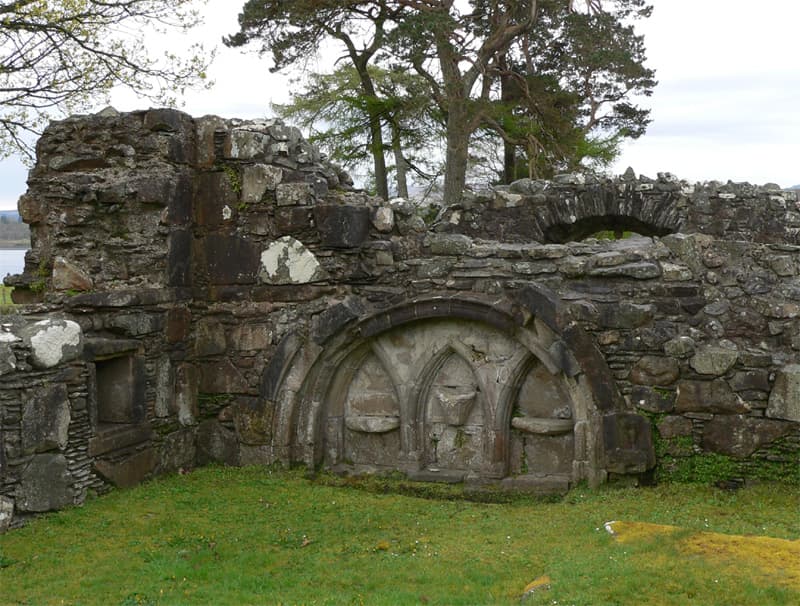
Ardchattan Priory
Ardchattan Priory was a Valliscaulian monastic community established in 1230 by Duncan Macdougall in Ardchattan, Argyll, Scotland. It holds historical significance as the site of a council of local chiefs held by Robert the Bruce in 1308, believed to be the last Gaelic-speaking parliament. Over time, the priory transitioned from its original monastic function, with parts converted into a dwelling and the church eventually falling into disuse and ruin.
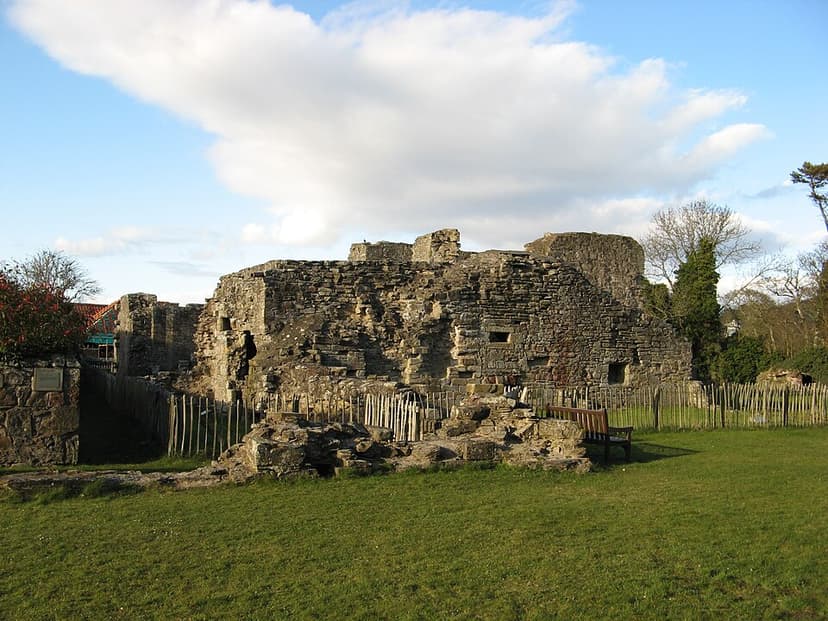
Balmerino Abbey
Balmerino Abbey, also known as St Edward's Abbey, was a Cistercian monastery located in Balmerino, Fife, Scotland. Founded between 1227 and 1229, it was patronized by Ermengarde de Beaumont and King Alexander II. The abbey suffered destruction during the War of the Rough Wooing and later during the Scottish Reformation, leading to its decline and eventual ruin by the 16th century. Today, the ruins are managed by the National Trust for Scotland.
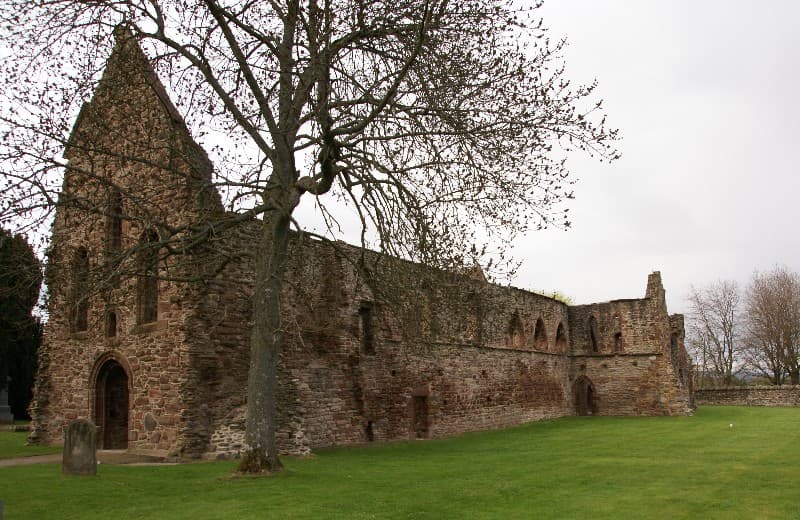
Beauly Priory
Beauly Priory was a monastic community established likely in 1230 in what is now Beauly, Inverness-shire. Originally founded by the Valliscaulian Order, it later became Cistercian in 1510 following the suppression of its original order. Today, the priory's extensive ruins are a significant visitor attraction, protected as a scheduled monument.