
Ferrières Abbey
Ferrières Abbey was a significant Benedictine monastery located in Ferrières-en-Gâtinais, France. Founded around 630, it flourished as a literary center during the time of Loup of Ferrières and played a role in Carolingian royal history, hosting coronations and burials. Despite extensive destruction during various conflicts and the French Revolution, remnants of its 12th and 13th-century church and later structures still exist, offering a glimpse into its past grandeur.
Key Facts
- ›Founded around 630 by Columbanus, an Irish monk.
- ›Dedicated to Saints Peter and Paul.
- ›Became an active literary center in the 9th century under Abbot Loup of Ferrières.
- ›Carolingian kings Louis III and Carloman II were jointly crowned and buried there.
- ›Suffered significant damage during the Hundred Years' War, Wars of Religion, and the French Revolution.
- ›Remnants of its 12th and 13th-century abbey church are still visible.

Romanesque, Gothic
12th-Century Nave, 13th-Century Transepts and Choir, Octagonal Crossing Rotonda, Notre-Dame De BethléEm Chapel, Tomb of Louis De Blanchefort
Columbanus, Loup of FerrièRes, Aldric of Le Mans, Louis Iii, Carloman Ii, Louis the Pious, Charles the Bald, Louis De Blanchefort, Louis De Condé, Odet De Coligny, Guillaume Morin
Joint Coronation of Louis Iii and Carloman Ii, Destruction During the Hundred Years' War, Siege, Pillaging, and Profanation, Rebuilding In the 17th Century, Dissolution During the French Revolution
About Ferrières Abbey
Ferrières Abbey, situated in Ferrières-en-Gâtinais in the Loiret department of France, was a historically significant Benedictine monastery. Although tradition pointed to an earlier origin, historical consensus places its founding around 630 by the Irish monk Columbanus, with a dedication to Saints Peter and Paul. The abbey experienced a notable period of intellectual activity in the 9th century under Abbot Loup of Ferrières, who transformed it into a vibrant literary center, though its extensive library was tragically lost.
History and Significance
The abbey left a mark on Carolingian history, notably serving as the site for the joint coronation of Kings Louis III and Carloman II in 879, who were later buried within its grounds. The monastery underwent restorations under Louis the Pious and Charles the Bald. Its fortunes were challenged by numerous destructive events, including damage during the Hundred Years' War, when it was burned down by the English, and again during the Wars of Religion in 1568, when it was besieged, pillaged, and its sacred relics and treasures dispersed. Despite rebuilding efforts in the 17th century, Ferrières Abbey ultimately met the fate of many ancient monasteries during the French Revolution, leading to the ruin and scattering of its valuable contents and library.
Architectural Remains
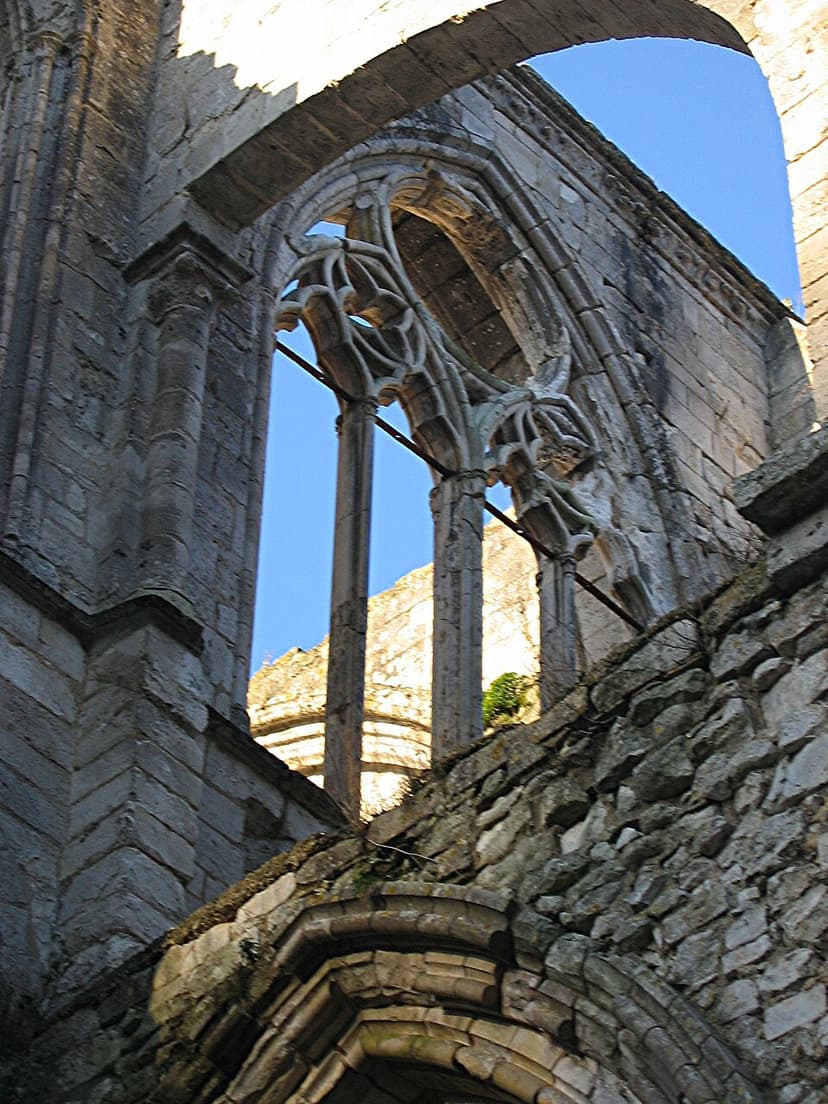
Today, Ferrières Abbey exists primarily as ruins. The surviving structures offer insights into its past grandeur, particularly the abbey church which features a 12th-century nave and 13th-century transepts and choir. Architectural elements reveal influences from Sens Cathedral, and unique features like an octagonal crossing rotonda highlight its distinct design. Additional preserved elements include the Notre-Dame de Bethléem chapel and parts of the conventual buildings, largely dating from a 15th-century rebuilding.
Source: Wikipedia ↗
Frequently Asked Questions
When was Ferrières Abbey founded?
While tradition based on forged charters suggests an earlier founding, Ferrières Abbey was likely founded around 630 by the Irish monk Columbanus. This date is considered more historically probable by scholars.
What was the religious tradition of Ferrières Abbey?
Ferrières Abbey was a Benedictine monastery. The Benedictine order is one of the oldest monastic traditions in Western Christianity, known for its emphasis on prayer, work, and community.
What historical significance does Ferrières Abbey hold?
The abbey was a notable literary center in the 9th century and was also significant in Carolingian history, serving as a site for royal coronations and burials. Its architecture also reflects significant periods of French history.
What remains of Ferrières Abbey today?
Today, only ruins of the ancient monastic buildings are visible. These include parts of the 12th and 13th-century abbey church, such as its nave, transepts, and choir, as well as the Notre-Dame de Bethléem chapel and some conventual structures.
What caused the destruction of Ferrières Abbey?
The abbey suffered multiple destructions and damages throughout its history. Notable events include destruction by the English during the Hundred Years' War, pillaging during the Wars of Religion, and eventual dissolution and scattering of its treasures during the French Revolution.
Related Monasteries

Hasnon Abbey
Hasnon Abbey was a Benedictine monastery founded in the 7th century in Hasnon, France, with a complex history of establishment, destruction, and revival. It was re-established as a Benedictine abbey in 1065 and saw reforms in the 15th century. The abbey structures were ultimately destroyed during the French Revolution, with surviving documents now housed in various archives.
Abbey of St Wandrille
Fontenelle Abbey, also known as the Abbey of St. Wandrille, is a historic Benedictine monastery located in Normandy, France. Founded in 649 by Saint Wandregisel, it was one of the earliest Benedictine foundations in the region and played a significant role in Carolingian monastic networks. The abbey has a rich history marked by periods of great prosperity and learning, as well as challenges including Viking raids and suppression during the French Revolution, before its restoration and continued operation to the present day.

Fleury Abbey
Fleury Abbey, located in Saint-Benoît-sur-Loire, France, is a historically significant Benedictine monastery founded around 640 AD. It is renowned for housing the relics of Saint Benedict of Nursia, a claim that is disputed by the monks of Monte Cassino. The abbey played a vital role in Western European monasticism, boasting a renowned library and attracting scholars during its medieval heyday.