
Ercsi
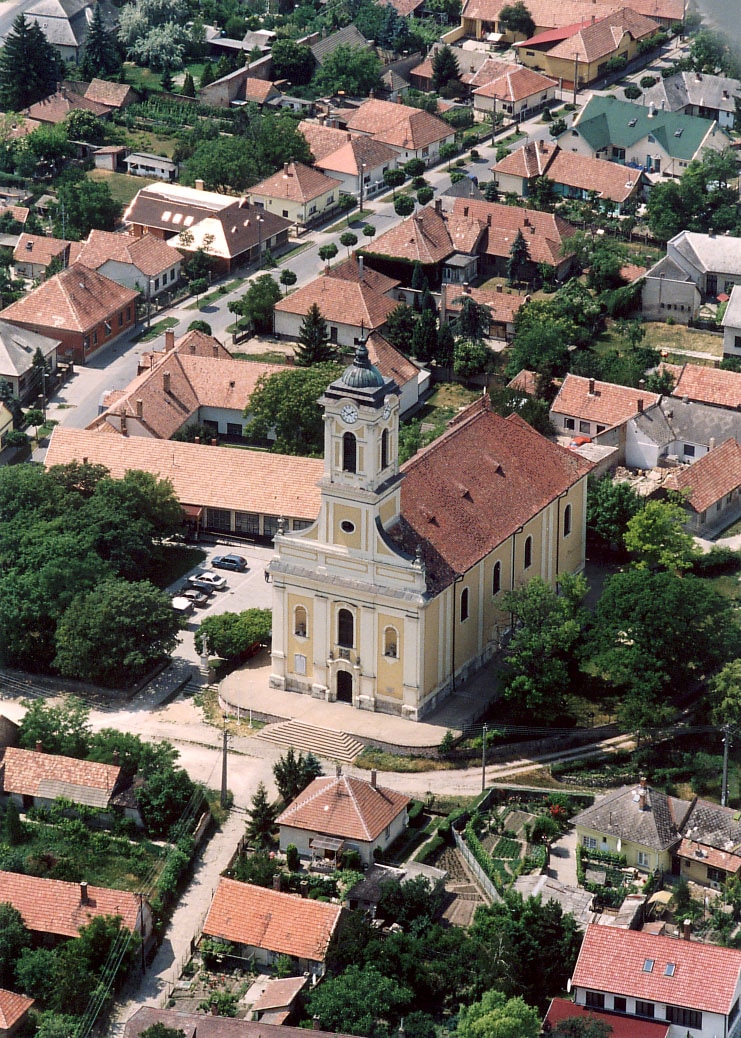
Ercsi is a town situated in central Hungary, approximately 35 kilometers south of the capital city, Budapest. It is located within Fejér County and serves as a local administrative and residential center. The town's proximity to Budapest makes it a part of the wider metropolitan area, offering a balance between urban accessibility and a more rural setting.
Key Facts
- ›Located in central Hungary, Fejér County.
- ›Situated approximately 35 km south of Budapest.
- ›Part of the broader Budapest metropolitan region.
- ›Serves as a local administrative hub.
About Ercsi
Ercsi is a town located in central Hungary, within Fejér County. Its geographical position places it approximately 35 kilometers south of the nation's capital, Budapest. This proximity integrates Ercsi into the broader metropolitan region of Budapest, offering a unique blend of accessible urban connections and a more tranquil, less urbanized setting.
The town functions as a local administrative center, serving its residents and surrounding areas. While specific historical details or significant monastic structures are not detailed, its placement within a county and its relation to a major capital city indicate its role as a developing community. Ercsi's presence contributes to the diverse landscape of settlements found in the Hungarian plains.
Source: Wikipedia ↗
Frequently Asked Questions
Where is Ercsi located?
Ercsi is a town in central Hungary, situated in Fejér County. It is located about 35 kilometers south of Budapest.
What is the significance of Ercsi's location?
Its location makes it part of the wider Budapest metropolitan area. This proximity to the capital offers residents accessibility to urban amenities while maintaining a more rural environment.
Related Monasteries
Felsőtárkány
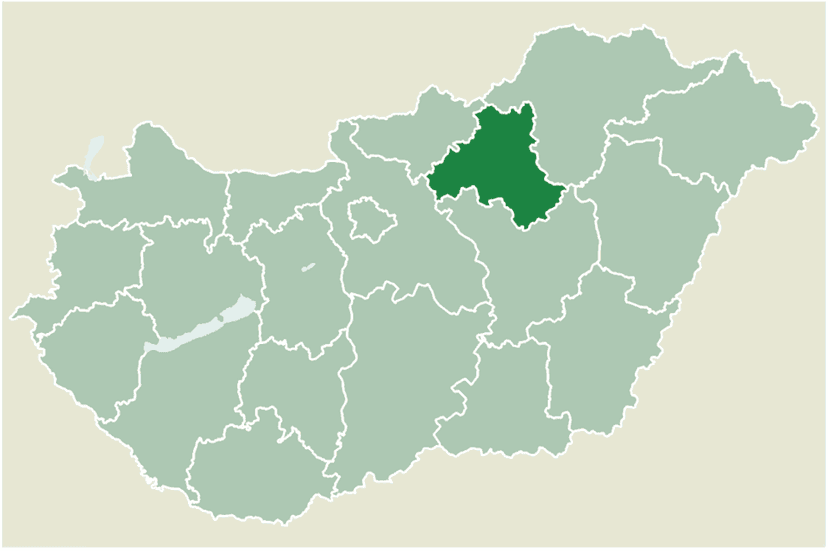
Felsőtárkány is a municipality in Hungary with a history intertwined with monastic settlements. Originally mentioned in the 13th century, it saw the establishment of a Carthusian monastery in the 14th century, which was destroyed during Ottoman invasions. Later, in the 18th century, a monastery for Nazarenes was built, with remains still visible today. The settlement itself experienced destruction and repopulation throughout its history, evolving into its modern form.

Gellért Hill Cave
The Gellért Hill Cave, also known as Saint Ivan's Cave, is a significant cave network in Budapest, Hungary, historically associated with a hermit and thermal springs. In the 1920s, Pauline monks transformed it into a chapel and monastery, serving as a place of worship and a World War II field hospital. After being sealed by the authorities in 1951, it reopened in 1989 and the Pauline Order returned, continuing its religious functions while also functioning as a popular tourist attraction.

Hungary
Hungary is a landlocked nation in Central Europe with a rich history dating back to the late ninth century. It transformed from a principality into a Christian medieval kingdom, experienced periods of division and reunification under various empires, and played a significant role as part of the Austro-Hungarian Monarchy. The country has a strong cultural heritage, with notable contributions to arts, music, literature, and science, and is a popular tourist destination.