
Denny Abbey
Denny Abbey is a historic monastic site near Waterbeach, Cambridgeshire, England, that has been home to three different religious orders: Benedictine monks, Knights Templar, and Franciscan Poor Clares. Today, it functions as the Farmland Museum and Denny Abbey, preserving its significant architectural remains and showcasing local history and agricultural practices.
Key Facts
- ›Originally established by Benedictine monks in the 1150s, it later became a preceptory for the Knights Templar.
- ›Transformed into a house for Franciscan Poor Clares in the 14th century, with the Countess of Pembroke playing a key role.
- ›The church and refectory buildings are surviving Grade I listed structures.
- ›Closed during the Dissolution of the Monasteries in 1536 and subsequently used for secular purposes, including farming.
- ›Currently houses the Farmland Museum, which opened in 1997.
- ›The site is a scheduled monument, reflecting its long and varied history.
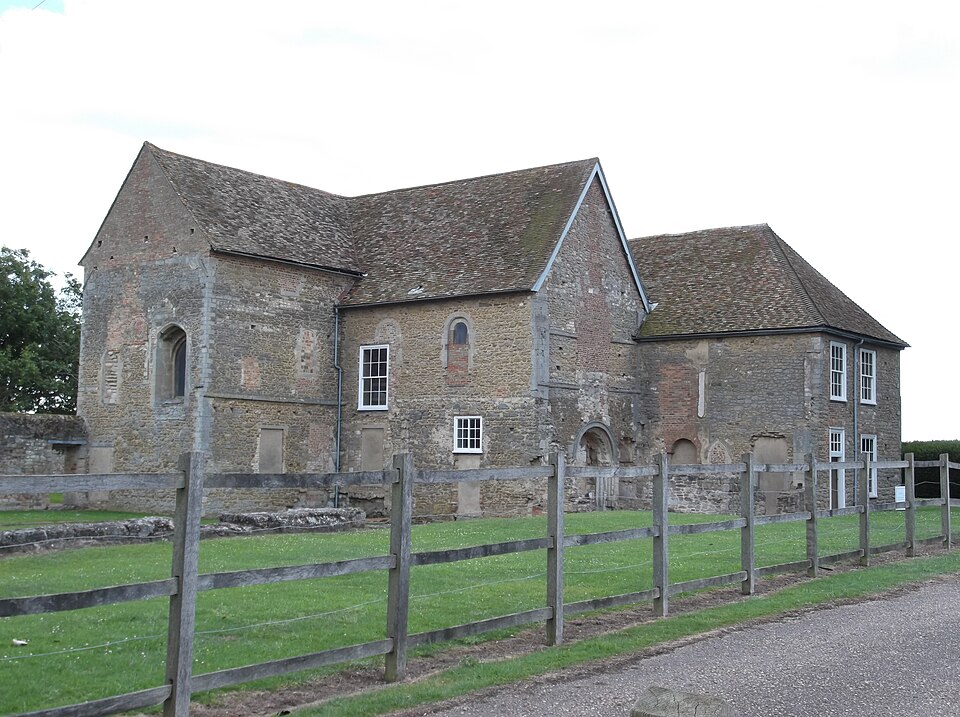
Norman, Medieval
Surviving Church and Refectory Buildings, Farmland Museum Exhibits, 17th-Century Barn Built From Abbey Stone, the Site Is A Scheduled Monument
Denny Priory, Denney Abbey
Edith the Fair, Alan, 1st Earl of Richmond, Conan Iv of Brittany, Edward Ii, Marie De St Pol, Countess of Pembroke, Katherine De Bolewyk, Elizabeth Throckmorton, Richard Kettle, Joseph Kettle, John George Witt
- Benedictine Monks Moved From Elmeney To the Site In the 1150s.
- Denny Priory Opened In 1159.
- Site Transferred To the Knights Templar In 1169.
- Became A Hospital For Sick Templars In the Mid-13th Century.
- Property Confiscated From the Knights Templar In 1308.
- Given To the Knights Hospitaller.
- Taken Back By the Crown In 1324.
- Marie De St Pol Established the Poor Clares In 1327.
- Closed During the Dissolution of the Monasteries In 1536.
- Pembroke College, Cambridge, Purchased the Site In 1928.
- Leased To the Ministry of Works In 1947.
About Denny Abbey
Denny Abbey is a historically significant monastic site located near Waterbeach in Cambridgeshire, England, approximately six miles north of Cambridge. The site boasts a rich and varied past, having been inhabited by three distinct religious orders over the centuries:
Benedictine Monastery
The Benedictine presence at Denny began in the 1150s when monks relocated from their waterlogged monastery at Elmeney. They established Denny Priory, which officially opened in 1159. The surviving remnants of this early Benedictine period include the crossing and transepts of the original abbey.
Knights Templar and Knights Hospitaller
Following the Benedictines' departure in 1169, the site was transferred to the Knights Templar. They made several additions, including a notable Norman-style arched doorway and a refectory. By the mid-13th century, Denny served as a hospital for ill members of the Order. After the Templars' power waned and their members were arrested, the property was confiscated by the Crown and subsequently granted to the Knights Hospitaller, who showed little interest in it.
House of Poor Clares
In 1327, Edward III bestowed the priory upon Marie de St Pol, Countess of Pembroke, a renowned patron of learning who also founded Pembroke College, Cambridge. Countess Marie adapted the former abbey church for her own accommodation and established a community of Franciscan Poor Clares, who moved from their flood-prone Waterbeach Abbey. The priory was expanded during this era, providing both comfortable quarters for the Countess and more austere accommodation for the nuns. It was during this period that the site began to be known as Denny Abbey, though the nuns themselves did not use the term 'abbey'. The Countess of Pembroke was buried before the high altar of the nuns' church in 1377, though the exact location of her grave is now lost.
Secular Use and the Farmland Museum
The abbey was dissolved in 1536, after which the Crown took control. The buildings were repurposed, with the Abbess's lodge becoming a farmhouse and the Refectory serving as a barn, while the nave was demolished. Ownership passed into private hands, and the estate saw significant development in farm buildings during the late 17th century. Pembroke College, Cambridge, eventually purchased the site in 1928. The abbey and surrounding land remained a farm until the mid-20th century. Today, the site is managed by English Heritage and operates as The Farmland Museum and Denny Abbey, open to the public from April to October. The museum showcases local history and farming practices, utilizing converted farm buildings for its displays, including a 17th-century barn. The site is a scheduled monument, recognized for its extensive historical and architectural significance.
Source: Wikipedia ↗
Frequently Asked Questions
What religious orders inhabited Denny Abbey?
Denny Abbey was inhabited by three different religious orders. Initially, it was home to Benedictine monks. Following their departure, it became a preceptory for the Knights Templar, and later a house for Franciscan Poor Clares.
What remains of the original abbey at Denny Abbey?
The church and the refectory buildings are significant surviving structures from the monastic period. The crossing and transepts are the only parts of the original Benedictine abbey that remain today.
What is the current use of the Denny Abbey site?
The site is now known as The Farmland Museum and Denny Abbey. It preserves the historical monastic buildings and also houses a museum dedicated to local history and farming, with exhibits on rural life and crafts.
Who was Marie de St Pol and what was her connection to Denny Abbey?
Marie de St Pol, Countess of Pembroke, was a significant figure in the history of Denny Abbey. In 1327, she was granted the priory and established a community of Franciscan Poor Clares there, turning the former abbey church into her own lodgings.
When was Denny Abbey closed as a monastery?
Denny Abbey was closed in 1536 as part of the Dissolution of the Monasteries. Following its closure, the site was taken over by the Crown and later entered private ownership, eventually being used for farming.
Related Monasteries

Bubikon Commandery
Bubikon Commandery, also known as Bubikon Castle, was a medieval monastery of the Knights Hospitaller. Founded between 1191 and 1198, it grew to own significant lands across the present-day Canton of Zürich. The commandery was secularized during the Reformation, and its buildings now house a museum dedicated to its history and the Order.

Tänikon Abbey
Tänikon Abbey was a Cistercian nunnery in Thurgau, Switzerland, first historically mentioned as a nunnery in 1249. It became a center for the Counter Reformation in the 17th century but was dissolved by the canton of Thurgau in 1848, with its buildings later becoming a museum dedicated to agricultural technology, known as Agrotechnorama Tänikon. The former abbey church and conventual buildings are recognized as Swiss heritage sites of national significance.
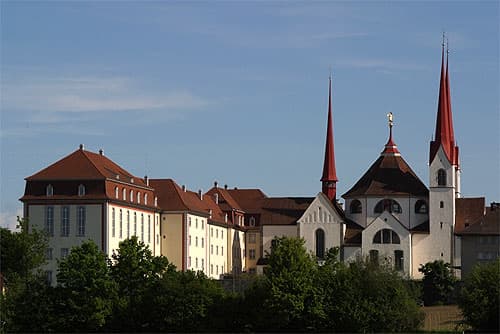
Muri Abbey
Muri Abbey, a Benedictine monastery dedicated to Saint Martin of Tours, was founded in 1027 by Radbot, Count of Habsburg, and flourished for over eight centuries in Muri, Canton of Aargau, Switzerland. It served as a significant religious and cultural center, housing the burial place of the House of Habsburg and educating many distinguished figures. Though the monastic community was dissolved in 1841 and relocated, the former abbey now functions as a museum and heritage site of national significance.