
Denbigh Friary
Denbigh Friary, also known as Henllan Friary, was a Carmelite monastic house located in the River Clwyd valley in Wales. Founded between the late 13th century and the mid-14th century, it was dedicated to St Mary. After its dissolution, the friary suffered damage and has been in ruins since an 1898 fire, with its surviving structures primarily dating from the 13th and 15th centuries.
Key Facts
- ›Founded as a Carmelite community, likely between 1289 and 1350.
- ›Dedicated to St Mary.
- ›The friary church was repurposed for secular uses after the Dissolution, including as a dwelling, wool store, and malt house.
- ›The ruins have been in their current state since a fire in 1898.
- ›Surviving structures include parts of the choir, a gable end, and nave walls.
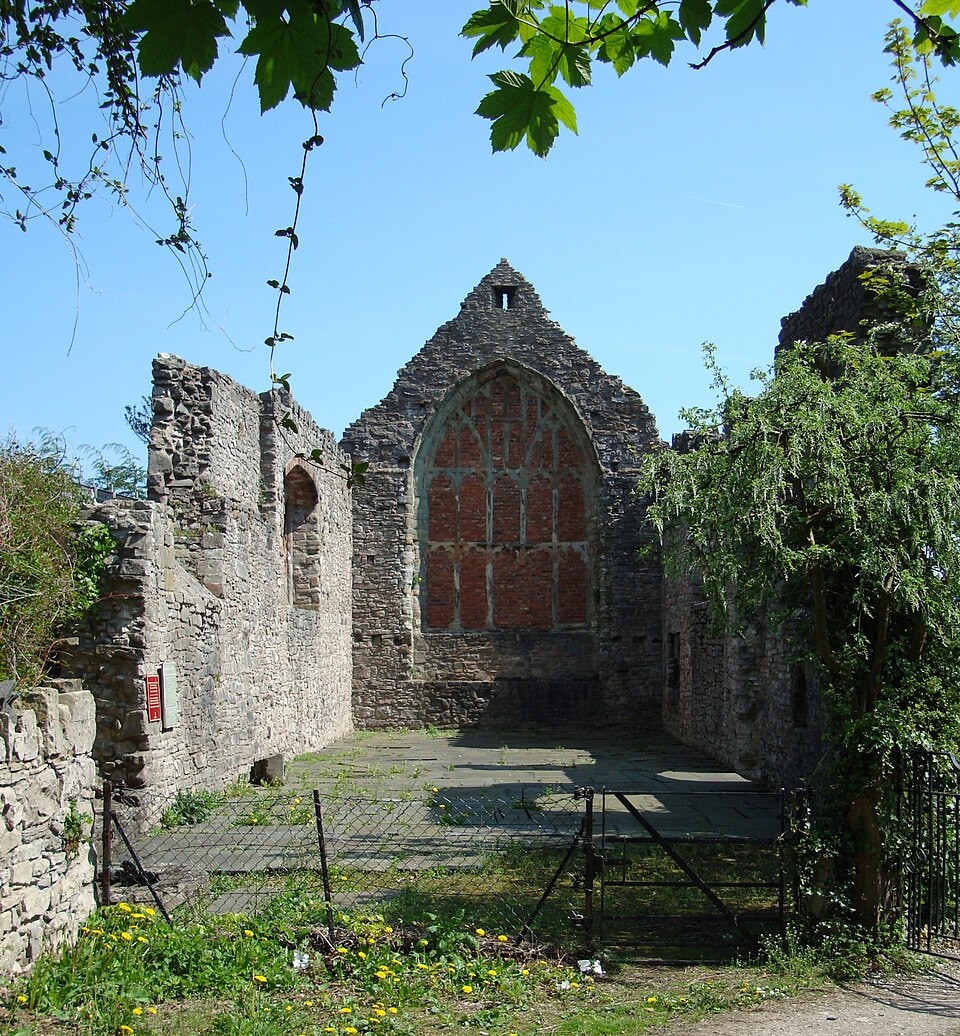
Parts of Choir, Gable End, Nave Walls
Henllan Friary, Brodordy Dinbych
Robert Parfew
Dissolution of the Monasteries, 1898 Fire
About Denbigh Friary
Denbigh Friary, also referred to as Henllan Friary and known in Welsh as Brodordy Dinbych, is a ruined monastic site located in Clwyd, Wales. It is situated within the valley of the River Clwyd, approximately one mile east of the town of Denbigh. The friary served as a Carmelite community and was dedicated to St Mary.
History and Context
The establishment of Denbigh Friary is placed within a timeframe ranging from before 1289 to between 1343 and 1350. Its history is intertwined with the broader changes brought about by the Dissolution of the Monasteries. In 1538, the English Benedictine abbot, Robert Parfew, was involved in the surrender of the Carmelite community at Denbigh Friary. Following its dissolution, the friary church was repurposed for secular uses, serving variously as a dwelling, a wool store, and a malt house.
Architectural Remains
The friary has been in a state of ruin since a significant fire occurred in 1898. The surviving structures are predominantly from the 13th and 15th centuries. Among the visible remnants are sections of the choir, a notable gable end, and parts of the nave walls, offering a glimpse into its former monastic architecture.
Source: Wikipedia ↗
Frequently Asked Questions
When was Denbigh Friary founded?
The exact founding date of Denbigh Friary is uncertain, with historical records suggesting a period between before 1289 and 1343-50. It was established as a Carmelite community.
What religious order was associated with Denbigh Friary?
Denbigh Friary was a Carmelite community. The Carmelites are a Catholic religious order.
What is the current state of Denbigh Friary?
Denbigh Friary is now a ruined monastic site. The buildings have been in ruins since a fire in 1898.
What parts of Denbigh Friary still exist?
The ruins of Denbigh Friary primarily consist of parts of a choir, a gable end, and nave walls. These remnants largely date from the 13th and 15th centuries.
What happened to Denbigh Friary after its dissolution?
Following the Dissolution of the Monasteries, the church at Denbigh Friary was no longer used for religious purposes. It was subsequently repurposed for secular uses, serving as a dwelling, a wool store, and a malt house.
Related Monasteries

Burnham Norton Friary
Burnham Norton Friary was a Carmelite friary located near Burnham Market in Norfolk, England. Founded in 1241 by Sir William Calthorp and Sir Ralph Hemenhale, it was the first Carmelite monastery established after the order's expulsion from Mount Carmel. The friary was dissolved in 1538 during the Dissolution of the Monasteries and is now a ruin, though significant parts of its structure, including the gatehouse and precinct wall, still stand.

Gloucester Whitefriars
Gloucester Whitefriars, also referred to as the White Friars or The College of Carmelites, was a Carmelite friary in Gloucester, England. Founded around 1268 or 1269, it experienced a decline by the time of the dissolution of the monasteries, with much of its structure later destroyed and materials repurposed for military use. Today, no remains of the friary survive.
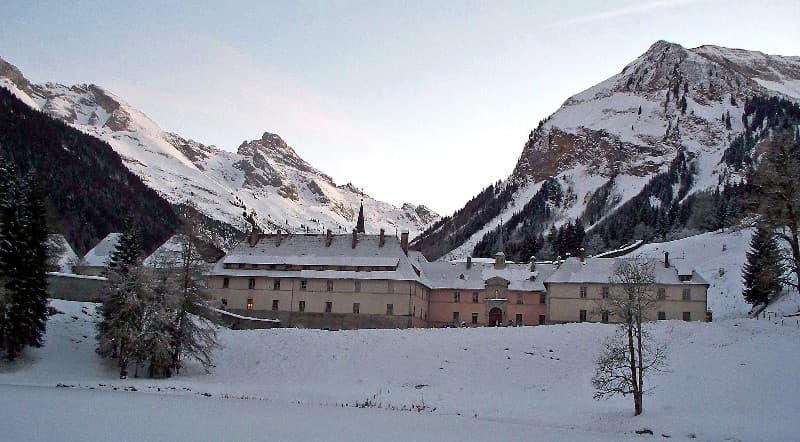
Le Reposoir
Le Reposoir is a commune in the Haute-Savoie department of south-eastern France, known for its picturesque Savoyard Pre-Alps setting and the historic Chartreuse monastery. Founded in 1151, the monastery has a complex history, transitioning from its Carthusian origins through periods of destruction and even a stint as a hotel, before becoming a Carmelite convent in 1932. The village itself is a hub for outdoor activities and has hosted significant national celebrations.