
Culross Abbey
Christian·Scotland·Active parish church and ruins·13th century
Culross Abbey is a former Cistercian monastery in Culross, Scotland, founded in 1217. Originally a cruciform structure, it underwent significant alterations and decay following the Reformation in 1560. Today, the eastern section of the abbey church remains in use as a parish church, while the ruins are managed by Historic Environment Scotland and are generally open to the public.
Key Facts
- ›Founded in 1217 by Malcolm I, Mormaer or Earl of Fife.
- ›Colonized by monks from Kinloss Abbey.
- ›Built over an earlier Pictish church reputedly founded by Saint Serf in the 6th century.
- ›The nave was demolished around 1500.
- ›The eastern part of the church has been used as a parish church since 1633.
- ›Ruins are managed by Historic Environment Scotland.

Cistercian
- Remains of An Early Medieval Pictish Church
- Early Medieval Carved Stones
- Alabaster Carved Effigies of Sir George Bruce of Carnock, His Wife, and Eight Children
- Stained Glass Windows By Ballantyne & Son and Modern Windows
Malcolm I, Mormaer Or Earl of Fife, Saint Mungo, Saint Serf, Edward Bruce, Sir George Bruce of Carnock
- Founded In 1217.
- Reformation Parliament of 1560 Outlawed Monastic Life.
- Eastern End Began Use As Parish Church In the 1580s.
- Eastern End Legally Taken Over For Parish Use In 1633.
- North Transept Converted Into A Tomb House In 1642.
- Restored In 1823.
- Restored In 1905.
About Culross Abbey
Culross Abbey is a historic Cistercian monastery located in Culross, Scotland. Founded in 1217 by Malcolm I, Mormaer or Earl of Fife, it was initially settled by monks from Kinloss Abbey. The site may have been chosen due to its association with Saint Mungo, who was reputedly born there. Evidence suggests the abbey was constructed over an earlier Pictish church attributed to Saint Serf, with early medieval carved stones and ninth-century references supporting this.
History and Development
The original 13th-century abbey was cruciform in design. By the late 15th century, the community had dwindled, leading to the abandonment of the western half of the cloister range and the demolition of the nave around 1500. The Scottish Reformation in 1560 outlawed monastic life, and while the abbey was permitted to continue, it was expected to fade with the death of its last monk. The eastern end of the abbey church began to be used by the local parish congregation in the 1580s and was formally transferred for parish use in 1633, while the adjoining monastic buildings fell into decay.
Significant alterations occurred in subsequent centuries. In 1642, Sir George Bruce of Carnock converted the north transept into a tomb house, which still contains alabaster effigies of him, his wife, and their children. The abbey underwent restorations in 1823 and again in 1905, the latter by architect Peter MacGregor Chalmers, which reinstated original features like the transept chapels. These restorations shaped the appearance of the buildings as seen today.
Current Use and Features
Today, the eastern section of Culross Abbey church remains an active place of worship for the Church of Scotland. The ruins of the abbey are maintained by Historic Environment Scotland and are generally accessible to the public. The church features stained glass by Ballantyne & Son in the main east window, along with more modern installations. The abbey has also hosted cultural events, including concerts by Fife Opera. Legends persist of a Ley tunnel beneath the abbey containing treasures, with a tale of a blind piper who entered and was never seen again.
Source: Wikipedia ↗
Frequently Asked Questions
When was Culross Abbey founded?
Culross Abbey was founded in 1217 by Malcolm I, Mormaer or Earl of Fife. It is believed to have been built over an earlier Pictish church dating back to the 6th century.
What religious order was associated with Culross Abbey?
Culross Abbey was a Cistercian monastery. It was first populated by monks from Kinloss Abbey.
What is the current status of Culross Abbey?
The eastern part of Culross Abbey church is still used as a local parish church by the Church of Scotland. The remaining ruins are managed by Historic Environment Scotland.
Is Culross Abbey open to the public?
Yes, the eastern parts of the church are generally open to the public for worship, and the ruins are accessible as they are managed by Historic Environment Scotland.
Are there any notable historical figures associated with Culross Abbey?
The abbey is said to be built on the birthplace of Saint Mungo. In 1613, the heart of Edward Bruce was buried in the kirkyard after he died in a duel. Sir George Bruce of Carnock converted the north transept into a tomb house in 1642, which contains his effigy and those of his family.
What happened to Culross Abbey after the Reformation?
Following the Reformation parliament of 1560, monastic life was outlawed in Scotland. The monastery was allowed to continue but was intended to die out naturally. The eastern end of the abbey church began to be used by the local parish congregation in the 1580s, and was legally transferred for parish use in 1633.
Related Monasteries
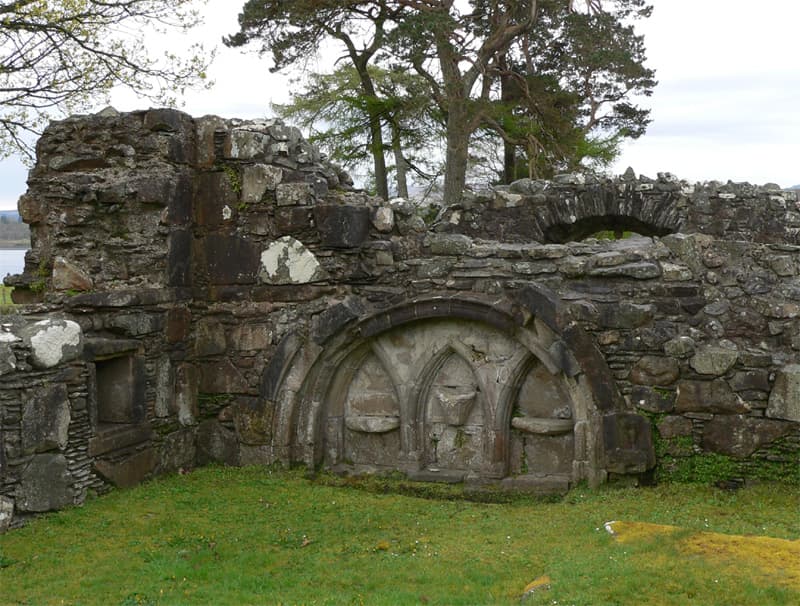
Ardchattan Priory
Ardchattan Priory was a Valliscaulian monastic community established in 1230 by Duncan Macdougall in Ardchattan, Argyll, Scotland. It holds historical significance as the site of a council of local chiefs held by Robert the Bruce in 1308, believed to be the last Gaelic-speaking parliament. Over time, the priory transitioned from its original monastic function, with parts converted into a dwelling and the church eventually falling into disuse and ruin.
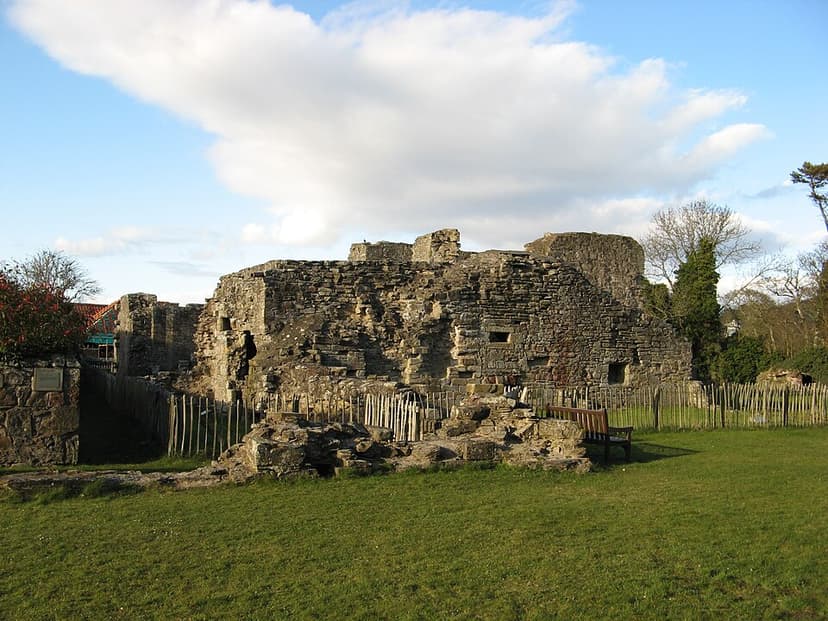
Balmerino Abbey
Balmerino Abbey, also known as St Edward's Abbey, was a Cistercian monastery located in Balmerino, Fife, Scotland. Founded between 1227 and 1229, it was patronized by Ermengarde de Beaumont and King Alexander II. The abbey suffered destruction during the War of the Rough Wooing and later during the Scottish Reformation, leading to its decline and eventual ruin by the 16th century. Today, the ruins are managed by the National Trust for Scotland.
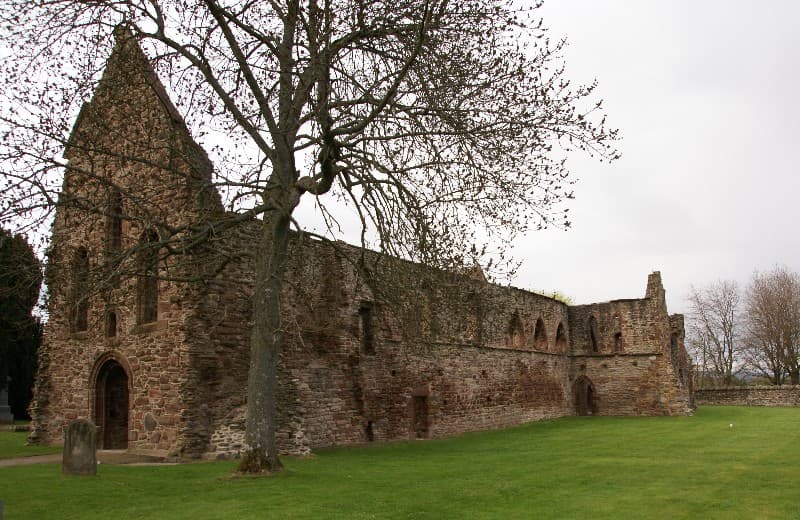
Beauly Priory
Beauly Priory was a monastic community established likely in 1230 in what is now Beauly, Inverness-shire. Originally founded by the Valliscaulian Order, it later became Cistercian in 1510 following the suppression of its original order. Today, the priory's extensive ruins are a significant visitor attraction, protected as a scheduled monument.