
Crna Reka Monastery
Crna Reka Monastery, meaning "Black River Monastery," is a 13th-century Serbian Orthodox monastic complex located in southwestern Serbia. It is notable for its cave-church dedicated to Archangel Michael, which contains 16th-century frescoes and the relics of Saint Peter of Koriša. The monastery served as a refuge for monks from Sopoćani during 16th-century Ottoman attacks.
Key Facts
- ›Founded in the 13th century.
- ›Features a cave-church dedicated to Archangel Michael.
- ›Houses relics of Saint Peter of Koriša.
- ›Served as a refuge for monks from Sopoćani in the 16th century.
- ›Located in the gorges of Ibar Kolašin on the Crna River.
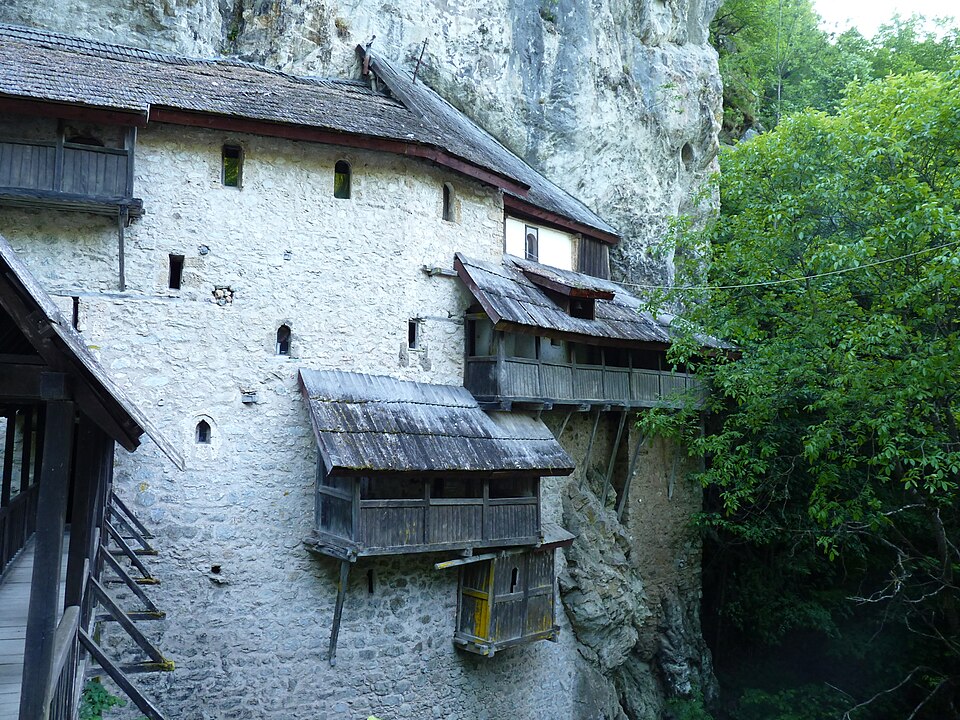
Cave-Church Dedicated To Archangel Michael, 16th-Century Frescoes, Relics of Saint Peter of KorišA
Black River Monastery
Saint Peter of KorišA
- Monks From SopoćAni Fled To Crna Reka Monastery During 16th-Century Ottoman Attacks.
About Crna Reka Monastery
Crna Reka Monastery, translating to "Black River Monastery," is a significant 13th-century Serbian Orthodox monastic complex nestled in southwestern Serbia. Its unique setting within the gorges of Ibar Kolašin, along the aptly named Crna River, contributes to its secluded and historical character.
Key Features and History
The monastery's spiritual heart is its cave-church, dedicated to Archangel Michael. This ancient sanctuary houses remarkable 16th-century frescoes and preserves the relics of Saint Peter of Koriša, a figure of veneration within the Serbian Orthodox tradition. The monastery's history is marked by periods of both tranquility and trial; during the 16th century, it provided a crucial refuge for monks fleeing the Sopoćani Monastery from Ottoman incursions, underscoring its role as a sanctuary.
Significance
Crna Reka Monastery stands as a testament to the enduring spiritual and architectural heritage of Serbian Orthodoxy. Its combination of natural landscape, sacred relics, and historical resilience makes it a site of considerable interest for understanding the region's religious and cultural past.
Source: Wikipedia ↗
Frequently Asked Questions
When was Crna Reka Monastery founded?
The Crna Reka Monastery was founded in the 13th century. This makes it a historical monastic site with centuries of tradition.
What is the significance of the cave-church at Crna Reka Monastery?
The cave-church is dedicated to Archangel Michael and is a significant feature of the monastery. It contains 16th-century frescoes and the relics of Saint Peter of Koriša, adding to its spiritual importance.
What historical events are associated with Crna Reka Monastery?
During the 16th century, the monastery provided refuge for monks fleeing from Sopoćani due to Ottoman attacks. This highlights its role as a sanctuary during periods of conflict.
Where is Crna Reka Monastery located?
Crna Reka Monastery is situated in Ribariće, Tutin, in southwestern Serbia. It is found within the gorges of Ibar Kolašin, along the Crna River.
Related Monasteries
Crna Reka
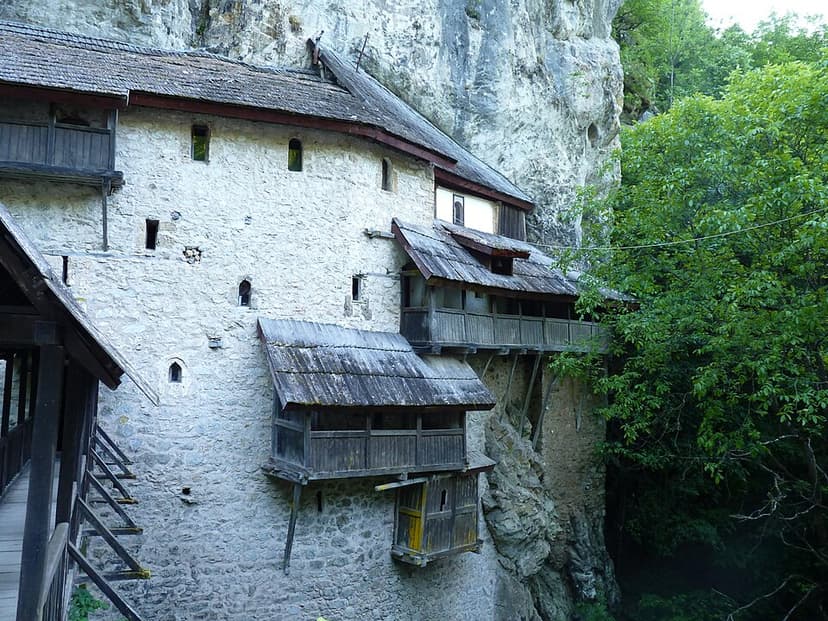
Crna Reka Monastery is a 13th-century Serbian Orthodox monastery located in southwestern Serbia, near the village of Ribariće. It is distinguished by its cave-church dedicated to Archangel Michael, which features 16th-century frescoes and houses the relics of Saint Peter of Koriša. The monastery's secluded location in the gorges of Ibar Kolašin provided refuge for monks from Sopoćani during Ottoman attacks in the 16th century.
Gradac Monastery
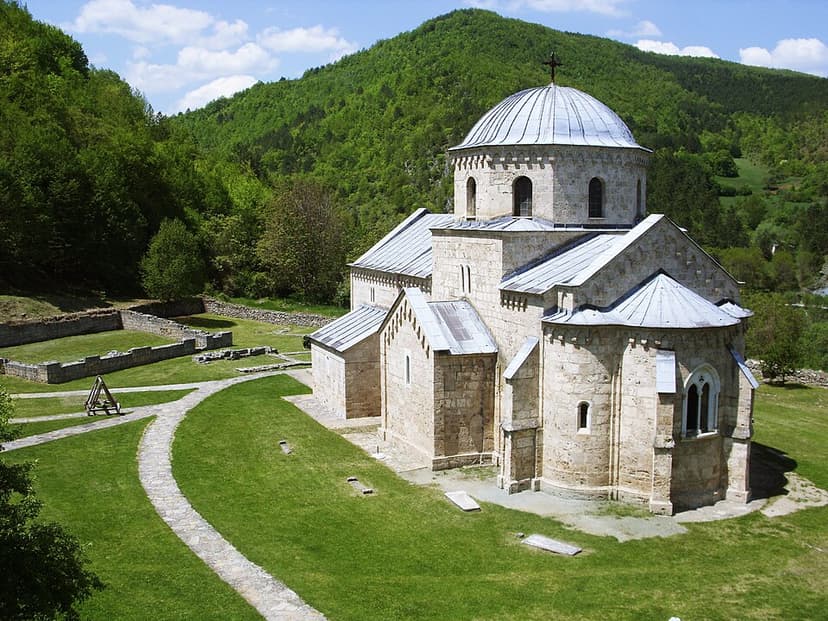
Gradac Monastery is a Serbian Orthodox Monastery located on a plateau above the Gradačka River, built between 1277 and 1282 as an endowment of Queen Helen of Anjou. Known for its Serbian-Byzantine architecture with Gothic and Romanesque elements, the monastery suffered devastation and abandonment but underwent significant reconstruction in the late 20th century and is now a functioning nunnery. It holds the status of a Monument of Culture of Exceptional Importance in Serbia.
Klisura Monastery
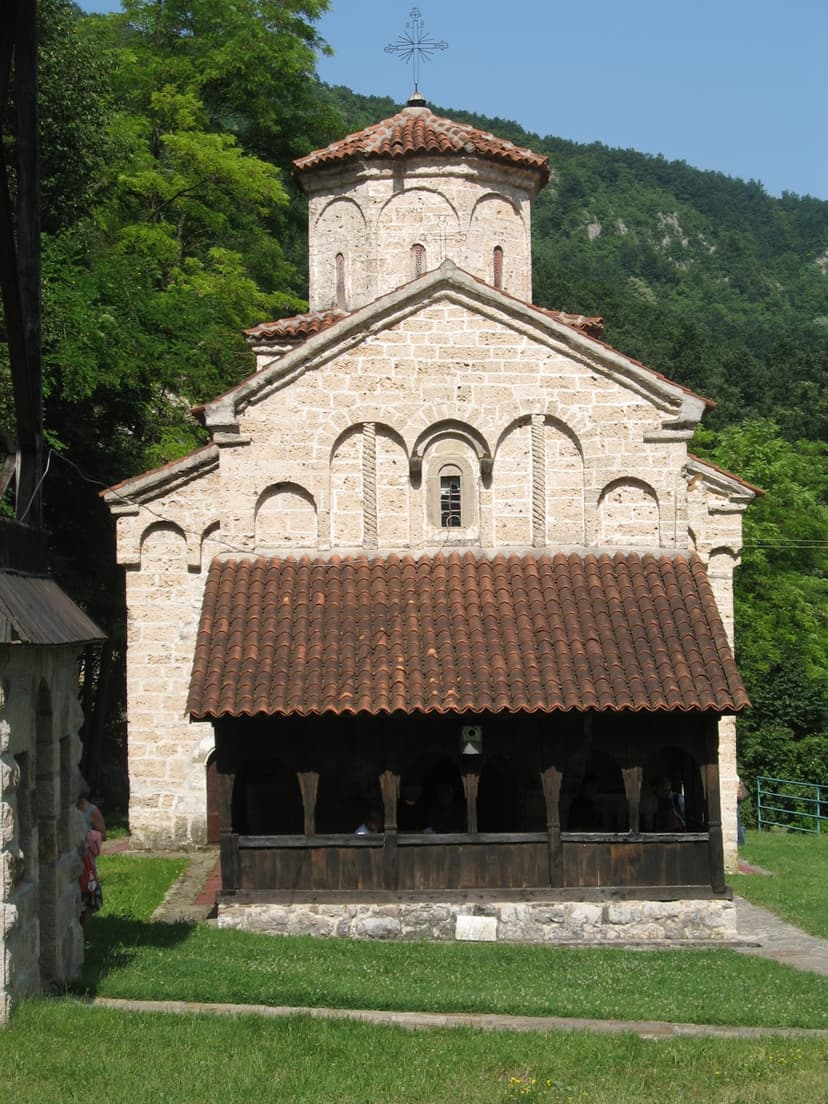
Klisura Monastery, formerly known as Dobrača Monastery, is an active women's monastery of the Serbian Orthodox Church, originating from the late 13th century. Located in the village of Dobrače, it is dedicated to the holy archangels Michael and Gabriel and is recognized as an immovable cultural asset. Despite enduring numerous destructions and rebuilds throughout its history, it continues to function as a spiritual center.